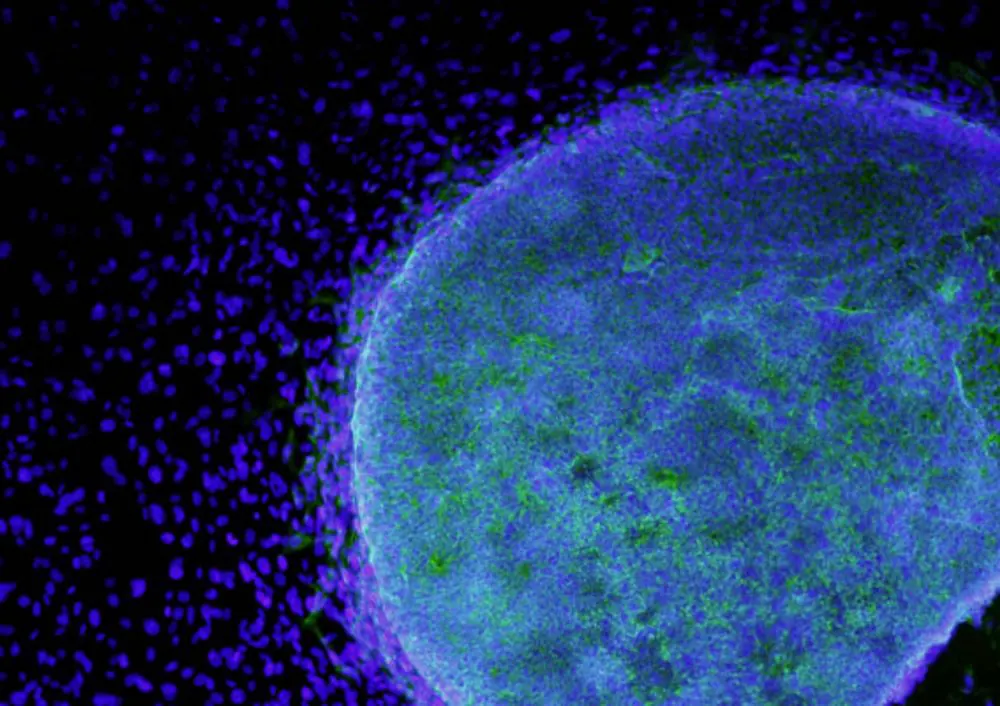
A hospital in Japan has carried out the world's first surgery using sheets of commercially available heart muscle stem cells. The surgery was performed on Tuesday and involved transplanting sheets of muscle cells derived from regenerative products known as induced pluripotent stem cells into the heart of a woman in her 50s. The surgery was a significant milestone, marking the first clinical use of the regenerative therapy since it received conditional government approval in March.
The surgery, which lasted an hour, was performed by surgeon Yoshiki Sawa, the head of Osaka Keisatsu Hospital. Sawa expressed hope that the therapy would improve the patient's quality of life. The therapy is primarily designed for heart patients who have exhausted other treatment options. It is expected to improve heart muscle function, resulting in improved heart failure symptoms, cardiac performance, and exercise tolerance.
The regenerative therapy was developed by Sawa in collaboration with Japanese scientist Shinya Yamanaka, who won the Nobel Prize in 2012 for his research into iPS cells. iPS cells have the potential to develop into any cell in the body and are created by stimulating mature, already specialised cells back into a juvenile state. This process allows for the creation of stem cells without the need for an embryo.
Trials of the regenerative therapy were conducted on eight patients suffering from ischemic heart disease, which is damage caused by narrowed heart arteries. All eight patients experienced an easing of their symptoms, including four whose heart functions improved. These promising results have led to plans for similar operations on 75 patients by 2033.
The treatment's efficacy will be reported on over the next seven years, after which it is expected to be fully authorised. Japan has also given conditional approval for a Parkinson's disease treatment that transplants iPS cells into a patient's brain, following a successful clinical trial. This development highlights the country's advancements in regenerative medicine.
The use of iPS cells in medical treatments has the potential to revolutionise the field of regenerative medicine. iPS cells can be used to create a variety of cell types, which can be used to repair or replace damaged tissues. This technology has the potential to lead to breakthroughs in the treatment of a range of diseases, including heart disease, Parkinson's disease, and others.
The success of this surgery and the planned future operations will be closely watched by the medical community. The development of regenerative therapies using iPS cells is a significant area of research, with the potential to improve the lives of patients with a range of diseases. Key points include:
Key points
- The world's first surgery using commercially available heart muscle stem cells was performed in Japan.
- The surgery was a significant milestone in the development of regenerative medicine.
- The therapy is expected to improve heart muscle function and quality of life for patients with ischemic heart disease.