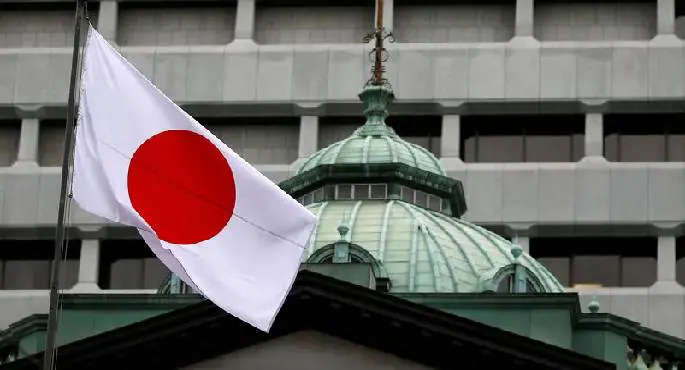
The Japanese government has announced a partial lifting of sanctions on Syrian entities, effective September 29, 2026. This move involves the removal of asset freezes and other measures against 16 entities, including banks, oil companies, and government institutions. The decision was made in consideration of recent developments in Syria and bilateral relations between Tokyo and Damascus.
The entities that will have sanctions lifted include Syria's largest telecommunications company, Sitel, and the Military Housing Establishment. Other entities affected by the decision are the Real Estate Bank, the Political Security Directorate, the Syrian Commercial Bank, and the Syrian-Lebanese Commercial Bank. Additionally, the Syrian Oil Marketing Company, the General Petroleum Corporation, and the Syrian Petroleum Company will also benefit from the easing of sanctions.
The Japanese Ministry of Foreign Affairs stated that this decision represents a second phase of easing sanctions since the fall of the Bashar al-Assad regime in December 2024. Japan initially began to ease sanctions in May 2025. The sanctions, imposed in 2011, targeted Assad and individuals and entities associated with him. The latest move brings the total number of entities that have had sanctions lifted to 20 since May 2025.
Despite the partial lifting of sanctions, asset freezes and other measures will remain in place for 59 individuals and 15 entities, including former President Bashar al-Assad and related individuals and entities. Japan's decision aims to support efforts towards a comprehensive political settlement and national reconciliation in Syria. The easing of sanctions is also seen as a way to encourage a peaceful and stable transfer of power.
In May 2025, Japan lifted sanctions on four Syrian banks: the Industrial Bank, the Popular Credit Bank, the Savings Bank, and the Cooperative Agricultural Bank. The latest decision brings the total number of entities that have had sanctions lifted to 20. The Japanese government has stated that it will continue to monitor developments in Syria and take appropriate actions in coordination with the international community.
The asset freeze measures are designed to prevent the transfer of funds to and from listed individuals and entities. They require approval from Japanese authorities for financial transactions with these entities, based on the Foreign Exchange and Foreign Trade Act. Japan's decision reflects a nuanced approach to sanctions, balancing the need to support Syria's transition with the requirement to maintain pressure on certain individuals and entities.
The international community has been closely watching Syria's developments, and Japan's move is seen as part of a broader effort to support the country's recovery. The decision to partially lift sanctions on Syrian entities is expected to have a positive impact on Syria's economy and may pave the way for further international engagement with the country.
Key points
- Japan lifts sanctions on 16 Syrian entities, including banks and oil companies.
- Sanctions remain in place for 59 individuals and 15 entities, including former President Bashar al-Assad.
- Japan's decision aims to support Syria's transition and national reconciliation efforts.