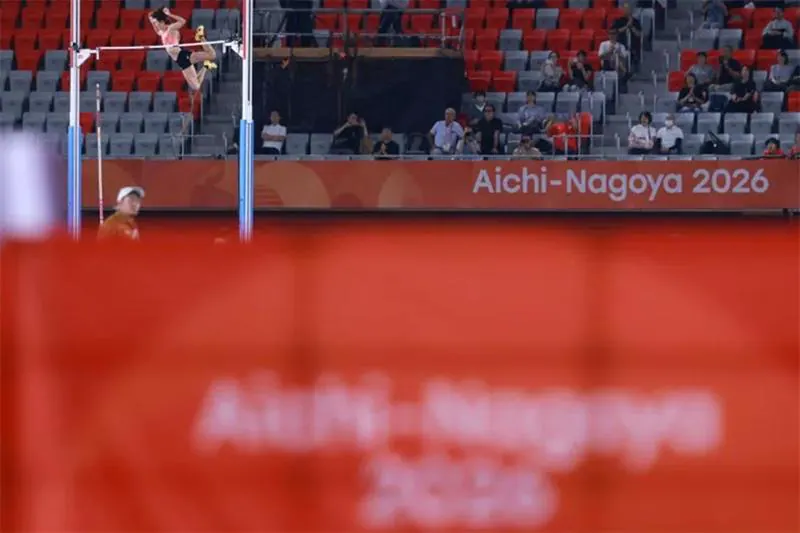
The Asian Games organisers in Japan have expressed dissatisfaction with ticket sales, citing numerous empty seats at various venues. Despite a strong turnout for the opening ceremony, with over 90 percent of tickets sold, subsequent events have seen significantly lower attendance. The 30,000-capacity Mizuho Park Athletic Stadium, for instance, appeared to be only about one-quarter full during the 100m sprints on Friday night.
Satoshi Murate, secretary-general of the Games organising committee, acknowledged the issue, stating that they are "not satisfied" with the current ticket sales. He attributed the empty seats to several factors, including the allocation of tickets to stakeholders, such as sponsors, who may not always be able to attend. Additionally, Murate noted that some sessions feature multiple matches, leading to a focus on the most popular events.
The Asian Games, being held in Aichi-Nagoya, have seen less than 60 percent of tickets snapped up for eight sports, including football. The closing ceremony, scheduled for eight days from now, is also expected to have a similar amount of unsold tickets. Despite these challenges, Murate remains optimistic, stating that overall sales are strong and that the organisers will continue to work towards filling the stadiums.
The issue of empty seats has been compounded by logistical challenges, including accommodation and transport mix-ups. Several teams have criticised the organisers, with Thailand likening the situation to a "chaotic" game of "musical chairs" and South Korea expressing disappointment. The shortage of rooms for the 17,000 participants has been a significant problem, with teams staying in temporary container-style huts, hotels, and a cruise ship.
The organisers have apologised for the mistakes, with Murate taking responsibility for providing the services and assuring that staff are working to identify the causes of each mistake and prevent them from happening again. The Asian Games, which feature a range of sports and competitions, have been affected by these issues, but the organisers are working to resolve them.
The women's pole vault event, which saw Japan's Misaki Morota win gold, was one of the events that struggled to attract a large crowd. Despite the local interest in the event, the sparse attendance at the Mizuho Park Athletics Stadium was noticeable. The organisers will look to address these issues and provide a better experience for athletes and spectators alike.
The Asian Games will continue to face scrutiny over ticket sales and logistical challenges, but the organisers are committed to delivering a successful event. With the closing ceremony approaching, the focus will be on resolving the existing issues and providing a memorable experience for all involved.
Key points
- Japan's Asian Games organisers express dissatisfaction with poor ticket sales and empty seats at venues.
- Logistical challenges, including accommodation and transport mix-ups, have compounded the issue of empty seats.
- The organisers have apologised for the mistakes and are working to resolve the issues and provide a better experience for athletes and spectators.