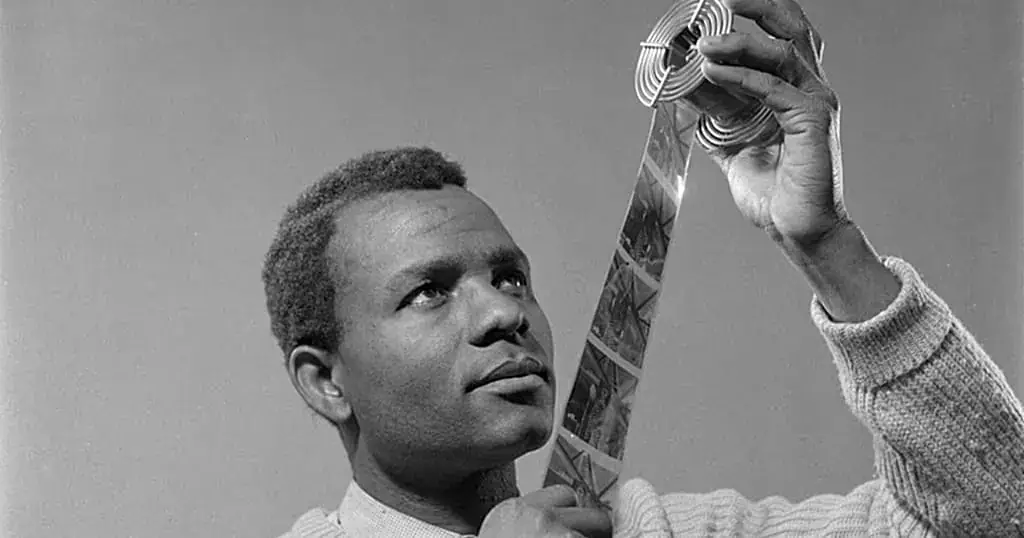
James Barnor, a renowned Ghanaian photographer, has been recognised with the Outstanding Contribution to Photography award at the 2027 Sony World Photography Awards. At 97 years old, Barnor is being honoured for his remarkable career spanning over seven decades. He is best known for capturing Ghana's independence in 1957 and challenging stereotypes of Black models and artists in 1960s London. Barnor's photographs have been exhibited globally, including at prominent institutions such as London's Serpentine Gallery and New York's Museum of Modern Art.
Born in 1929, Barnor learned photography from his cousin, J. P. D. Dodoo, a prominent photographer in Accra during the Gold Coast colonial era. At 21, Barnor became the first staff photographer at Ghana's Daily Graphic newspaper, where he photographed significant events, including Ghana's journey to independence. His photographs documented everyday life in a country undergoing enormous change, showcasing his talent for capturing pivotal moments. In 1953, Barnor opened his own studio, Ever Young, in Accra's Jamestown district, which became a hub for portrait photography.
In 1959, Barnor moved to Britain, where he studied at Medway College of Art and worked as a colour printer. He also collaborated with Drum magazine, a South African publication known for its anti-apartheid reporting. During the 1960s, Barnor captured the lives of London's African diaspora, taking fashion photography onto the city's streets and showcasing Black models and celebrities with confidence and style. His portraits appeared on Drum's covers and fashion pages, providing a platform for Black Londoners who were often denied prominence in mainstream magazines.
After training with film manufacturer Agfa-Gevaert in Belgium and Germany, Barnor returned to Ghana in 1970 as a company representative. He helped establish the country's first commercial colour-processing laboratory, a significant milestone in Ghana's photographic history. This achievement cemented Barnor's status as a pioneer in African photography, with a legacy that spans continents and generations. Today, his photographs are part of major collections at institutions such as London's Tate Museum and the National Portrait Gallery.
The World Photography Organisation will present Barnor with the Outstanding Contribution to Photography award at a ceremony in London on 15 April 2027. A retrospective exhibition featuring over 50 photographs and archival materials from his career will run at Somerset House from 16 April to 3 May 2027. This exhibition will provide a comprehensive look at Barnor's remarkable career, showcasing his contributions to the world of photography. The award and exhibition are a testament to Barnor's enduring impact on the medium.
Barnor's recognition comes as France celebrates 200 years of photography with over 1,000 events through until September 2027. His achievement serves as a reminder of the significant role photography has played in documenting history and shaping cultural narratives. As a pioneer of African photography, Barnor's work continues to inspire new generations of photographers and artists. His legacy is a testament to the power of photography to transcend borders and capture the essence of the human experience.
Barnor's photographs have been exhibited globally, and he is widely regarded as one of the most influential photographers of his generation. His work has been recognised for its technical excellence and its role in challenging stereotypes and promoting cultural understanding. As he receives this prestigious award, Barnor's contributions to photography will be celebrated by audiences around the world, ensuring his legacy endures for years to come.
Key points
- James Barnor to receive Outstanding Contribution to Photography award at 2027 Sony World Photography Awards
- Barnor's photographs have been exhibited globally, including at London's Serpentine Gallery and New York's Museum of Modern Art
- Barnor captured Ghana's independence in 1957 and challenged stereotypes of Black models and artists in 1960s London