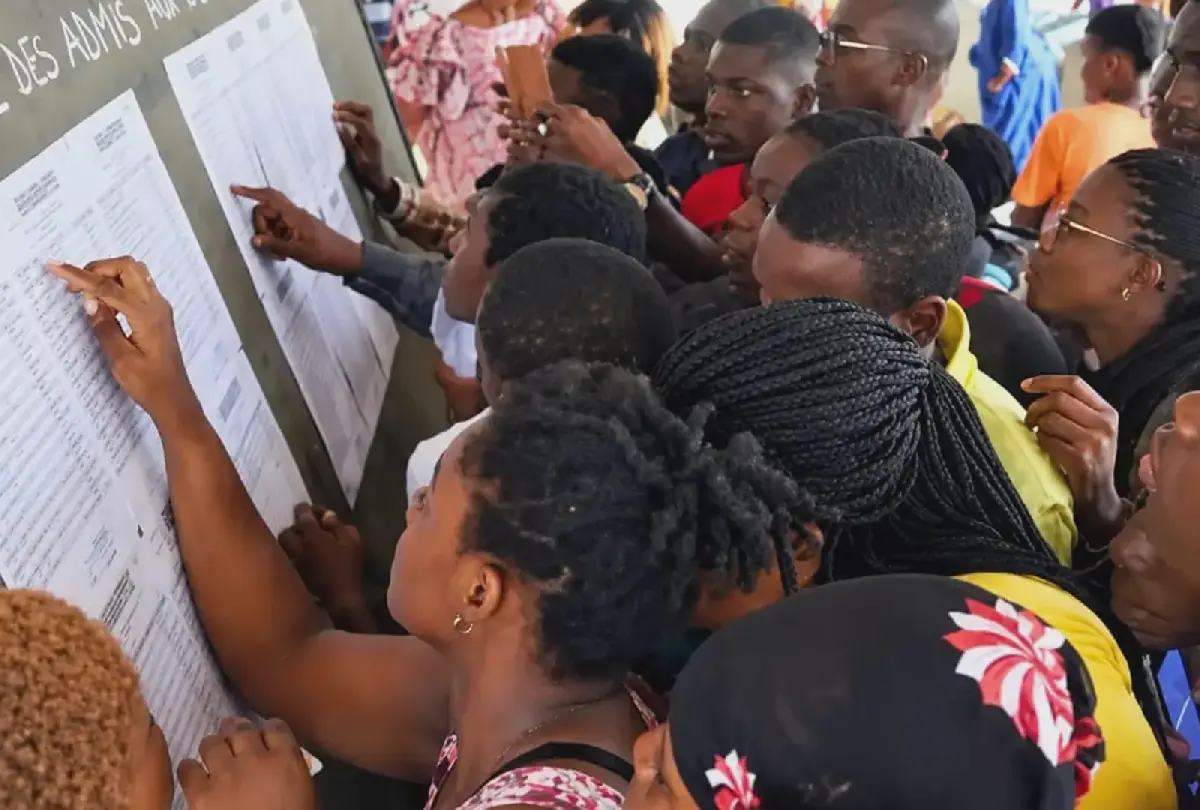
The Organisation des parents d'élèves et étudiants de Côte d'Ivoire (OPEECI) has responded to recent comments by the Minister of Higher Education and Scientific Research regarding the low level of new Ivoirian baccalaureates. OPEECI's national executive bureau stated that evaluating students' results without considering the structural parameters of their education risks an incomplete diagnosis. According to Kadio Claude, OPEECI's president, students' performance should not be analyzed in isolation, but rather as a result of a continuum of education from preschool to secondary school.
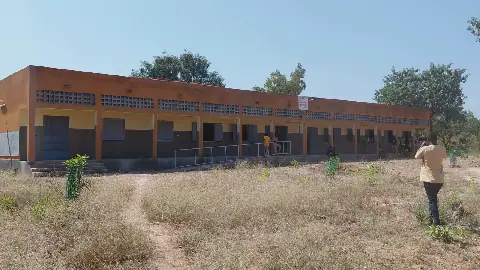
Claude emphasized that factors such as learning environment, class sizes, laboratory equipment, and digital tools, as well as teacher working conditions, all contribute to students' performance. He noted that assessing students' results without examining these factors would be incomplete. The OPEECI statement highlights the complexity of the issue and suggests that a comprehensive approach is needed to address the challenges facing Ivoirian students.
The minister's comments had sparked debate about the quality of education in Côte d'Ivoire. While the minister had implied that students' poor performance was a result of inadequate teaching, OPEECI's response suggests that the issue is more nuanced. The organization argues that students' performance is influenced by a range of factors, including the quality of infrastructure and resources available to them.
The Ivoirian education system has faced several challenges in recent years, including inadequate infrastructure and a shortage of qualified teachers. The government has launched initiatives to improve the quality of education, but progress has been slow. OPEECI's response highlights the need for a more comprehensive approach to addressing the challenges facing the education system.
The OPEECI statement also emphasizes the importance of considering the continuum of education from preschool to secondary school. Claude noted that students' performance at the baccalaureate level is influenced by their experiences throughout their educational journey. This suggests that efforts to improve education should focus on supporting students at all levels, rather than just at the secondary level.
The response from OPEECI reflects a broader debate about the quality of education in Côte d'Ivoire. The government has faced criticism for its handling of the education sector, with some arguing that more needs to be done to support students and teachers. The OPEECI statement highlights the need for a more nuanced understanding of the challenges facing the education system and for a comprehensive approach to addressing them.
The issue of education is a critical one for Côte d'Ivoire, with implications for the country's economic and social development. The government has made efforts to improve education, but more work remains to be done. As the debate about the quality of education continues, it is clear that a comprehensive approach is needed to support students, teachers, and the education system as a whole.
Key points
- The Organisation des parents d'élèves et étudiants de Côte d'Ivoire (OPEECI) has responded to comments by the Minister of Higher Education and Scientific Research regarding the low level of new Ivoirian baccalaureates.
- OPEECI argues that evaluating students' results without considering the structural parameters of their education risks an incomplete diagnosis.
- The organization emphasizes the importance of considering the continuum of education from preschool to secondary school in addressing the challenges facing Ivoirian students.