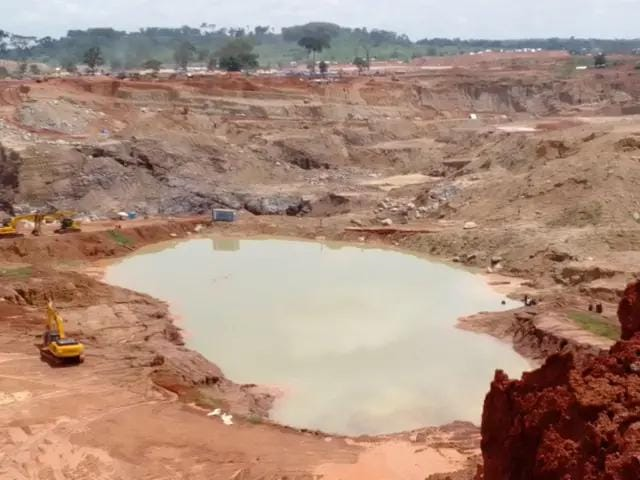
The environmental supervisor for Mambasa territory in Ituri province has recommended filling abandoned gold mining holes to restore degraded sites. This initiative aims to reconstitute the environment and rehabilitate polluted areas through reforestation with indigenous and fast-growing endemic species. According to Robert Chedya, environmental supervisor, this approach will help mitigate the negative impacts of gold mining.
The recommendation emphasizes the need for systematic filling of excavations left open after gold exploitation by mining groups, cooperatives, companies, and private operators. Unregulated gold mining has led to severe environmental consequences, including water pollution, soil and subsoil degradation, destruction of vegetation, and ecosystem disruption. These consequences have significantly affected the local environment and communities.
Abandoned mining holes pose a significant threat to nearby populations. Open excavations can cause accidents, including drowning, and increase the risk of flooding. They also hinder access to certain agricultural roads, affecting local economic activities. The environmental supervisor's note highlights the urgent need for responsible mining practices and environmental rehabilitation.
Gold mining activities in Ituri have been criticized for their environmental and social impacts. The exploitation of natural resources has led to widespread degradation of the environment, affecting local communities and ecosystems. Authorities are now focusing on mitigating these impacts and promoting sustainable practices in the mining sector.
The recommended filling of abandoned gold mining holes is part of a broader effort to restore degraded sites and promote environmental sustainability. This initiative involves collaboration between local authorities, mining operators, and communities to address the negative consequences of gold mining. The goal is to balance economic development with environmental protection.
Environmental degradation and pollution have significant economic and social implications for local communities. The rehabilitation of degraded sites and promotion of sustainable mining practices can help mitigate these impacts and improve the quality of life for affected populations. Authorities in Ituri are working to implement these measures and ensure responsible management of natural resources.
The situation in Mambasa territory highlights the need for effective environmental management in the mining sector. The recommended filling of abandoned gold mining holes and promotion of sustainable practices aim to address the environmental and social impacts of gold mining. By working together, stakeholders can mitigate these impacts and promote sustainable development in the region.
Key points
- Filling abandoned gold mining holes can help restore degraded sites and prevent environmental hazards in Ituri, Democratic Republic of Congo.
- Unregulated gold mining has led to severe environmental consequences, including water pollution and ecosystem disruption.
- Authorities recommend systematic filling of excavations left open after gold exploitation to mitigate negative impacts.