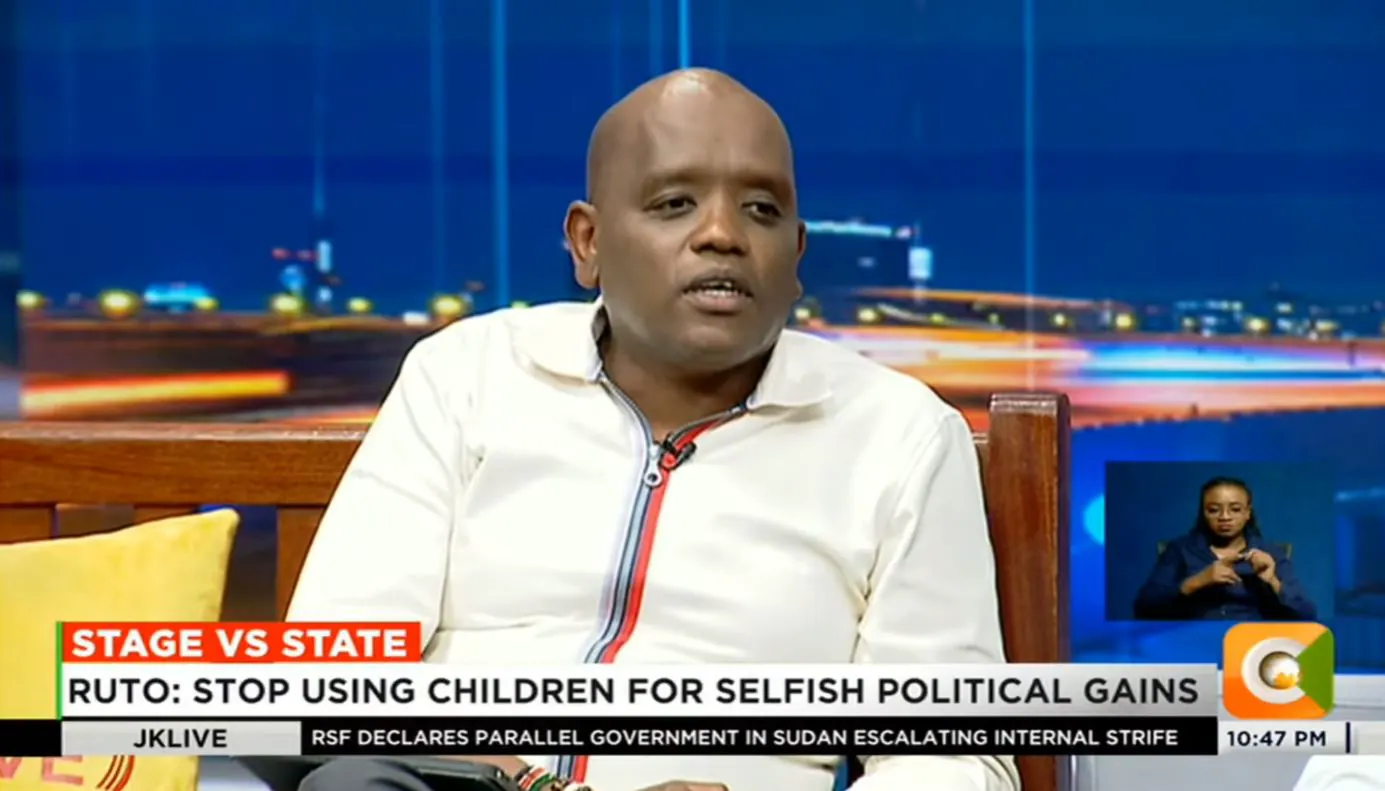
Kenya's government has defended its strategy to engage social media influencers to promote its flagship programs. Dennis Itumbi, Head of Presidential Special Projects and Creative Economy, explained that the administration is endorsing 43 operational systems, with influencers serving as a core mechanism to share the government's narrative. This framework aligns with commitments outlined in the United Democratic Alliance (UDA) manifesto, marking the realization of a promise made by President William Ruto.
Itumbi cited a Media Council of Kenya study demonstrating that social media boasts a wider reach than traditional mainstream media. Consequently, he stressed that collaborating with digital creators allows the state to connect with a broader audience. The government's decision to engage influencers has been met with public commentary, with some questioning the effectiveness of the strategy. Itumbi, however, remains confident in the plan's potential to disseminate information to a wider audience.
The primary role of content creators within the strategy is to "participate in telling your government's story from a factual level and building your country," Itumbi advised. He clarified that participating influencers will receive access to relevant documentation beforehand to review and verify information before communicating details to their audiences in accessible language. This approach aims to ensure that accurate information is shared across social media platforms.
Itumbi also addressed public commentary surrounding public health reforms, specifically the Social Health Authority (SHA). He dismissed claims that the SHA had failed, stating that "maybe it's the platform which the government is communicating from. That is why we need influencers to tell the factual stories." This response highlights the government's efforts to address concerns and provide accurate information to the public.
Drawing a direct comparison to established media procurement, Itumbi argued that paying digital influencers to communicate state affairs carries the same legitimacy as purchasing space in print newspapers. He confirmed his intention to directly engage creators, expressing readiness to approach digital figures to convey official achievements while encouraging them to continue building their online platforms.
The government's strategy has sparked debate, with some questioning the effectiveness and legitimacy of paying influencers to promote government programs. Itumbi's defense of the plan highlights the government's efforts to adapt to changing communication landscapes and engage with a broader audience. The use of social media influencers is seen as a key mechanism to share the government's narrative and achieve its goals.
Key to the government's strategy is its commitment to providing influencers with accurate information to share with their audiences. By doing so, the government aims to ensure that its message is conveyed effectively and efficiently. The plan's success will likely depend on the government's ability to engage influencers and disseminate accurate information to a wider audience.
Key points
- The Kenyan government has defended its strategy to engage social media influencers to promote its flagship programs.
- The plan aims to disseminate information to a wider audience, leveraging the reach of social media platforms.
- Influencers will receive access to relevant documentation to review and verify information before sharing it with their audiences.