The Aboludero of Warri Kingdom, Opuaro Chief Wilson Edun Olley, has called on the federal government, Niger Delta Development Commission (NDDC), and Delta State Government to take urgent action to complete the long-abandoned Koko-Ogheye-Epe-Lagos coastal highway. This project, initiated in 1955, aims to improve access between coastal communities and major economic centers. Its completion would create a more efficient transportation corridor between Delta State, Ondo State, and the Lagos economic axis.
Chief Olley emphasized that the Koko–Ogheye–Epe Coastal Highway is not just another road project but a strategic infrastructure corridor with significant regional connectivity, trade, employment, security, tourism, agriculture, maritime activities, and socio-economic development benefits across coastal areas of the Niger Delta. The project has historical significance, dating back to the vision of late Chief Festus Okotie-Eboh, former Federal Commissioner for Finance, who conceptualized it as part of a broader infrastructure plan to enhance transportation and economic connectivity.
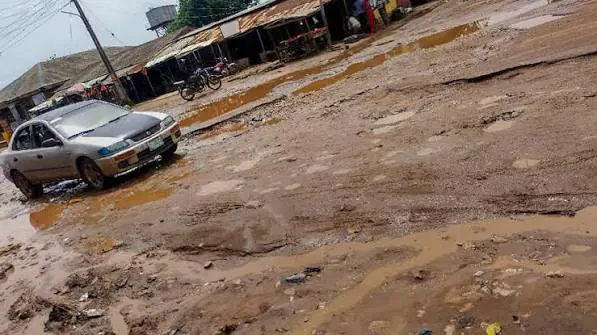
In 2010, the first phase of the Koko-Ogheye-Epe road project was awarded to Levant Construction Company by NDDC at a cost of ₦14.9 billion. The project was officially flagged off in Koko by Dr. Emmanuel Uduaghan, the former Governor of Delta State. However, a substantial portion of the first phase corridor remains incomplete and abandoned. Despite its potential benefits, the project has seen little progress over the years.
Chief Olley recalled that in October 2023, the House of Representatives considered a motion calling for the completion of the Koko–Ogheye–Epe road and urged the Federal Government to direct NDDC and relevant agencies to resume construction. Unfortunately, no significant action has been taken since then. The abandonment of this project, 67 years after its conception, is disheartening, according to Chief Olley.
The economic benefits of the Koko-Ogheye-Epe coastal road are substantial. It would improve connectivity between Koko, Ogheye, Epe, and the wider Lagos economic corridor, reducing transportation challenges and enhancing the movement of people, goods, and services. This, in turn, would stimulate trade, tourism, and private-sector investment. The project would also improve logistics, supporting oil and gas operations and other economic activities.
Additionally, the completed highway would strengthen agricultural value chains, including fishing and crop production, and improve access to healthcare. The project’s impact on regional development and economic growth cannot be overstated. Its completion would have far-reaching positive effects on the communities and states it connects.
Chief Olley’s appeal highlights the urgent need for coordinated action from all stakeholders to revive this critical infrastructure project. The federal government, NDDC, and Delta State Government must work together to ensure the completion of the Koko-Ogheye-Epe-Lagos coastal highway, unlocking its vast economic and social benefits for the region.
Key points
- The Koko-Ogheye-Epe-Lagos coastal highway project was initiated in 1955 and has seen little progress despite its potential economic benefits.
- The project’s completion would improve connectivity between coastal communities and major economic centers, creating a more efficient transportation corridor.
- The abandonment of the project 67 years after its conception has significant implications for regional development and economic growth.