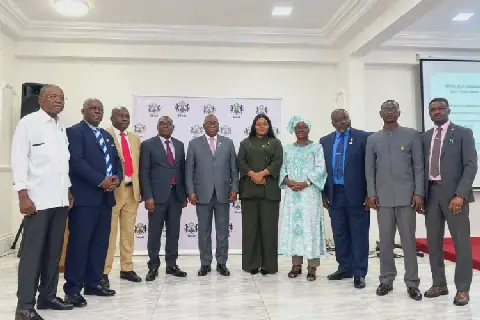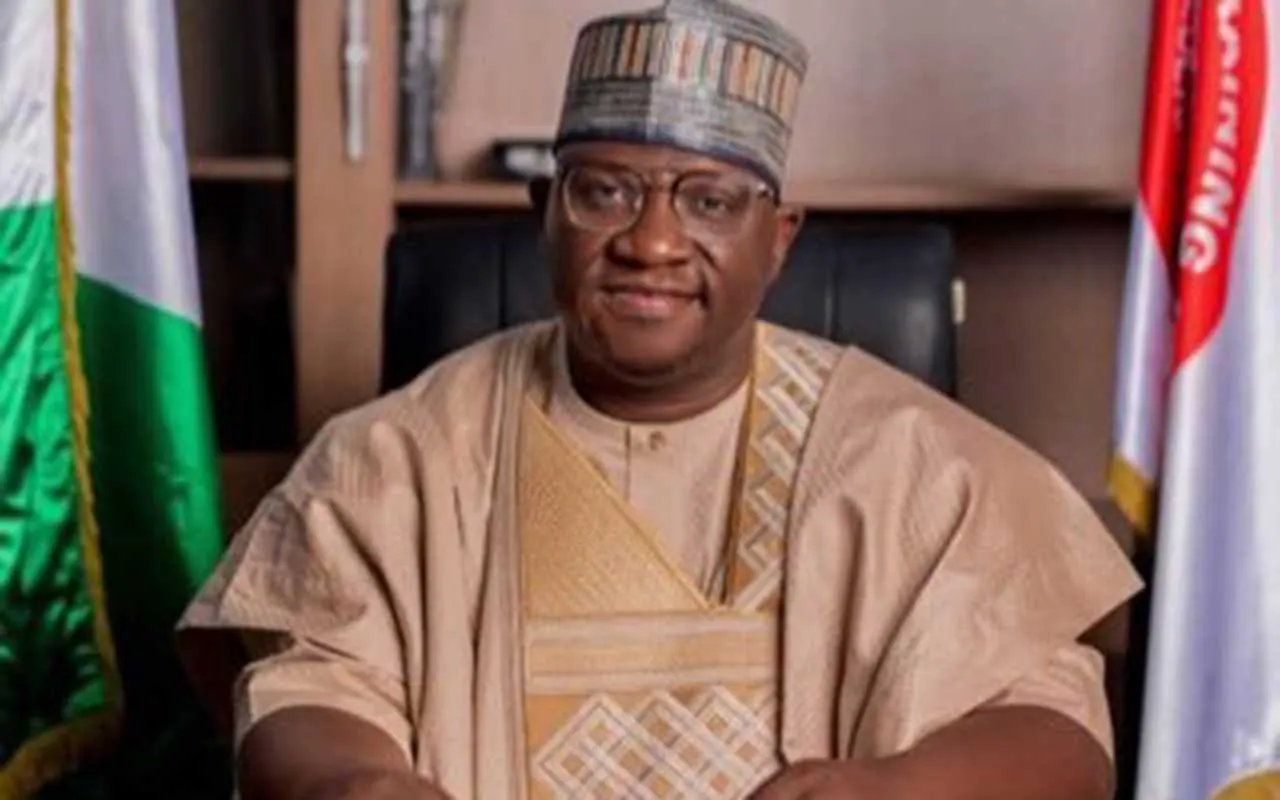
The Industrial Training Fund (ITF) recently celebrated its 55th anniversary in Jos, Nigeria, highlighting its achievements in skills development and human capital advancement. ITF Director-General, Dr. Afiz Oluwatoyin Ogun, reaffirmed the institution's commitment to its mandate, citing its adaptability to the changing needs of the Nigerian economy and workforce since its establishment in 1971. The Fund has sustained its relevance over the years, making significant contributions to manpower development and industrial growth.
Under Dr. Ogun's administration, the ITF has expanded its skills acquisition programmes, strengthened local and international partnerships, and digitised key operations. The institution has also improved staff welfare and upgraded training infrastructure across the country. One of the ITF's flagship interventions is the Skill-Up Artisans (SUPA) programme, designed to train, certify, and professionalise artisans nationwide. This programme aims to address the skills gap in various industries and enhance the employability of Nigerian youths.
The ITF has also advanced Nigeria's global skills competitiveness through strategic collaborations and the establishment of structures that align vocational training with international standards. This has enabled Nigerian workers to compete favourably in the global market, contributing to the country's economic growth. The institution's efforts have not gone unnoticed, with stakeholders commending its leadership and progress.
Managing Director and Chief Executive Officer of the Oil and Gas Free Zones Authority (OGFZA), Alhaji Bamanga Usman Jada, described the ITF as one of Nigeria's most strategic agencies, given its central role in developing the nation's human capital. He praised the quality of facilities at the ITF Centre of Excellence in Jos, which he described as being of international standard. Jada stressed that Nigeria's future prosperity would depend more on the development of its human resources than on its natural endowments.
Jada commended the Federal Government's efforts to create an enabling environment for investment and industrial growth, while urging continued support for skills development as a catalyst for economic transformation. He noted that the ITF remained critical to converting the country's growing population into a skilled and productive workforce. The institution's role in enhancing workforce competitiveness and supporting Nigeria's long-term economic development objectives was also highlighted.
The 55th anniversary celebration brought together government officials, industry leaders, development partners, members of the organised private sector, and ITF staff to commemorate the institution's contributions to manpower development and industrial growth. Stakeholders expressed confidence that the Fund would continue to play a pivotal role in driving Nigeria's economic growth and development.
The event provided a platform for stakeholders to acknowledge the ITF's achievements and reaffirm their support for its mission. The institution's commitment to skills development and human capital advancement has made it a strategic partner in Nigeria's quest for economic growth and industrial development. As the ITF looks to the future, it is poised to continue playing a critical role in shaping the country's workforce and driving economic transformation.
Key points
- The ITF has expanded skills acquisition programmes, strengthened local and international partnerships, and digitised key operations under Dr. Afiz Oluwatoyin Ogun's administration.
- The institution's efforts have advanced Nigeria's global skills competitiveness through strategic collaborations and the establishment of structures that align vocational training with international standards.
- Stakeholders have expressed confidence that the ITF will continue to play a pivotal role in enhancing workforce competitiveness and supporting Nigeria's long-term economic development objectives.