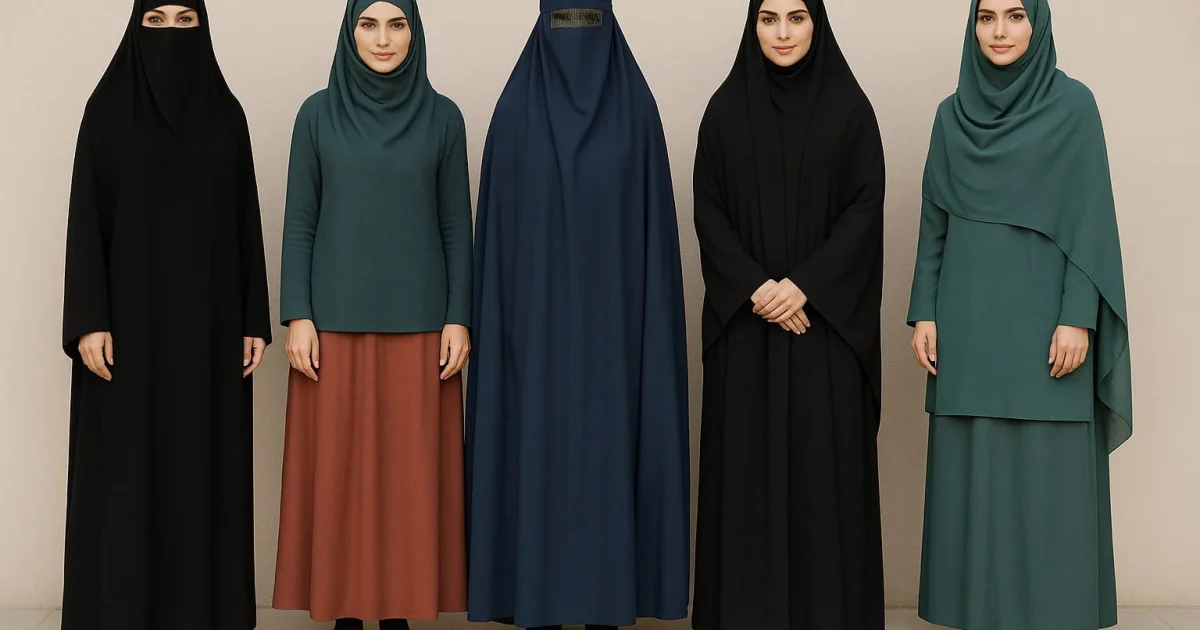
Italian Prime Minister Giorgia Meloni has announced that her government will introduce a ban on burqas and niqabs in schools. The move is part of a broader effort to promote integration and tackle migration, a key issue ahead of next year's general election. According to Meloni, the ban will be part of a package of measures aimed at ensuring that foreign students are better integrated into the Italian education system.
The announcement was made at a gathering of the youth wing of Meloni's Brothers of Italy (FdI) party. Meloni also revealed that her government will limit the number of foreign students per class and require parents of foreign students who are struggling to integrate into the school system to learn Italian. The move has been welcomed by some, but others have expressed concerns about the potential impact on foreign students and the broader community.
While there is no law in Italy that expressly bans burqas, a 1975 law prohibits the use of helmets or garments that make identification difficult without a justified reason. In 2008, Italy's highest administrative court clarified that full-face veils may be worn for religious or cultural reasons, provided that the face is revealed when identity verification is required. However, Meloni's government appears to be taking a tougher stance on the issue.
The National Future (FN) party, which is not part of the governing coalition, had called for a crackdown on the use of burqas in schools as early as July. The FN is further to the right than Meloni's party and has emerged as a major challenger, rising sharply in the polls since its launch in February. The anti-immigrant League party, which is part of Meloni's coalition, had also submitted a bill to the Senate earlier this year that would ban helmets or garments except in certain circumstances.
According to the National Statistics Institute (ISTAT), foreign students account for just under 12% of those enrolled in Italian schools. Since 2010, the number of foreign students has been limited to 30 percent of a class and of a school's enrolment. However, Meloni did not specify how the limit on foreign students per class would be changed. The issue of migration and integration is likely to remain a contentious one in Italy, particularly ahead of next year's general election.
Meloni's government has been keen to emphasize its commitment to tackling migration and promoting integration. The Prime Minister has previously spoken about the need for Italy to take a firmer stance on migration, and her government's latest announcement is likely to be seen as part of this broader effort. However, some have expressed concerns about the potential impact of the ban on foreign students and the broader community.
The ban on burqas and niqabs in schools is likely to be seen as a significant development in Italy's ongoing debate about migration and integration. While some have welcomed the move, others have expressed concerns about the potential impact on foreign students and the broader community. As Italy prepares for next year's general election, the issue of migration and integration is likely to remain a contentious one.
Key points
- Italy's Prime Minister Giorgia Meloni has announced plans to ban burqas and niqabs in schools as part of a broader effort to promote integration and tackle migration.
- The ban will be part of a package of measures aimed at ensuring that foreign students are better integrated into the Italian education system.
- Foreign students currently account for just under 12% of those enrolled in Italian schools.