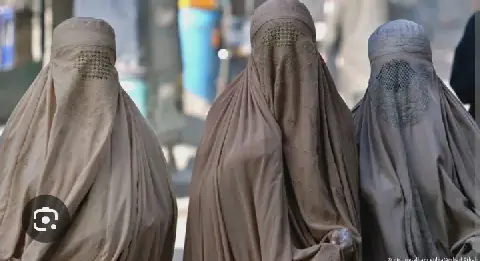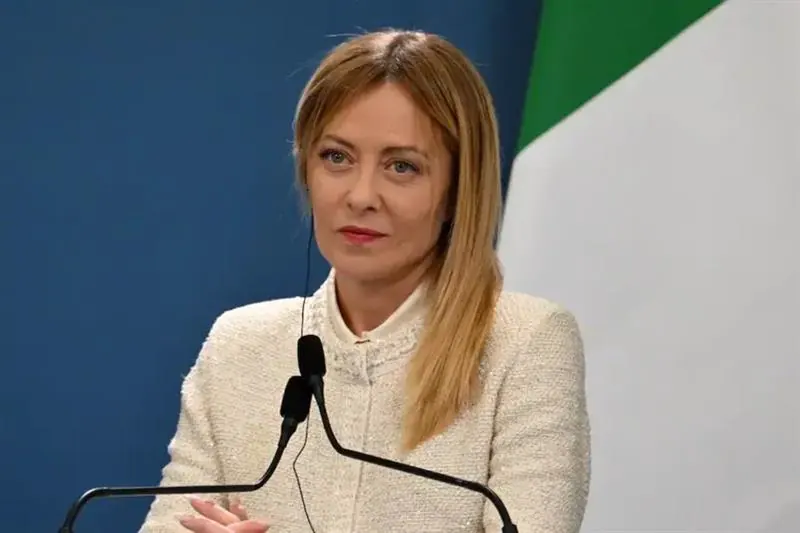
Italian Prime Minister Giorgia Meloni has announced plans to ban burqas and niqabs in schools and introduce limits on the number of foreign students per class. The move is part of a broader effort to address integration challenges in the country's education system. Meloni made the announcement at a gathering of the youth wing of her Brothers of Italy (FdI) party. The proposed ban on burqas and niqabs in schools has been met with interest from various quarters.
The National Future (FN) party, which is not part of the governing coalition, had called for a crackdown on the use of burqas in schools in July. The FN is further to the right than Meloni's party and has gained popularity since its launch in February. While there is no law in Italy that expressly bans burqas, a 1975 law prohibits the use of helmets or garments that make identification difficult without a justified reason. This law has been in place for decades.
Italy's highest administrative court clarified in 2008 that full-face veils may be worn for religious or cultural reasons, provided that the face is revealed when identity verification is required. The anti-immigrant League party, which is part of Meloni's coalition, had submitted a bill to the Senate earlier this year that would ban helmets or garments except for in certain circumstances. This bill is currently under consideration.
The limit on the number of foreign students per class already exists under Italian law. According to the National Statistics Institute (ISTAT), foreign students account for just under 12% of those enrolled in Italian schools. Since 2010, the number of foreign students has been limited to 30 percent of a class and of a school's enrolment. This limit can be adjusted in certain cases.
Meloni's announcement also requires parents of foreign students facing serious difficulties integrating into the school system to learn Italian. This move aims to promote language skills and facilitate integration. Italy is a frontline country for migration, and integration is a major campaign issue ahead of a general election next year. The country is taking steps to address these challenges.
The proposed measures are part of a broader effort to address integration challenges in Italy's education system. A general election is scheduled for next year, and the issue of integration is likely to be a key topic. Meloni's government is taking steps to address concerns about integration and national identity. The country is working to find a balance between promoting diversity and ensuring social cohesion.
The Italian government plans to present a measure to a cabinet meeting to legally establish a maximum number of foreign students per class. This move is expected to be part of a broader package of reforms aimed at addressing integration challenges. The government aims to promote social cohesion and address concerns about national identity.
Key points
- Italy to ban burqas and niqabs in schools
- Limit on foreign students per class to be introduced
- Parents of foreign students to learn Italian to promote integration