Italian Prime Minister Giorgia Meloni disclosed the plan while addressing a gathering of the youth wing of her Brothers of Italy (FdI) party on Sunday. She stated that the government would also introduce a limit on the number of foreign students allowed in each class. The proposed measures come as migration and the integration of foreign nationals remain major political issues in Italy ahead of next year’s general election.
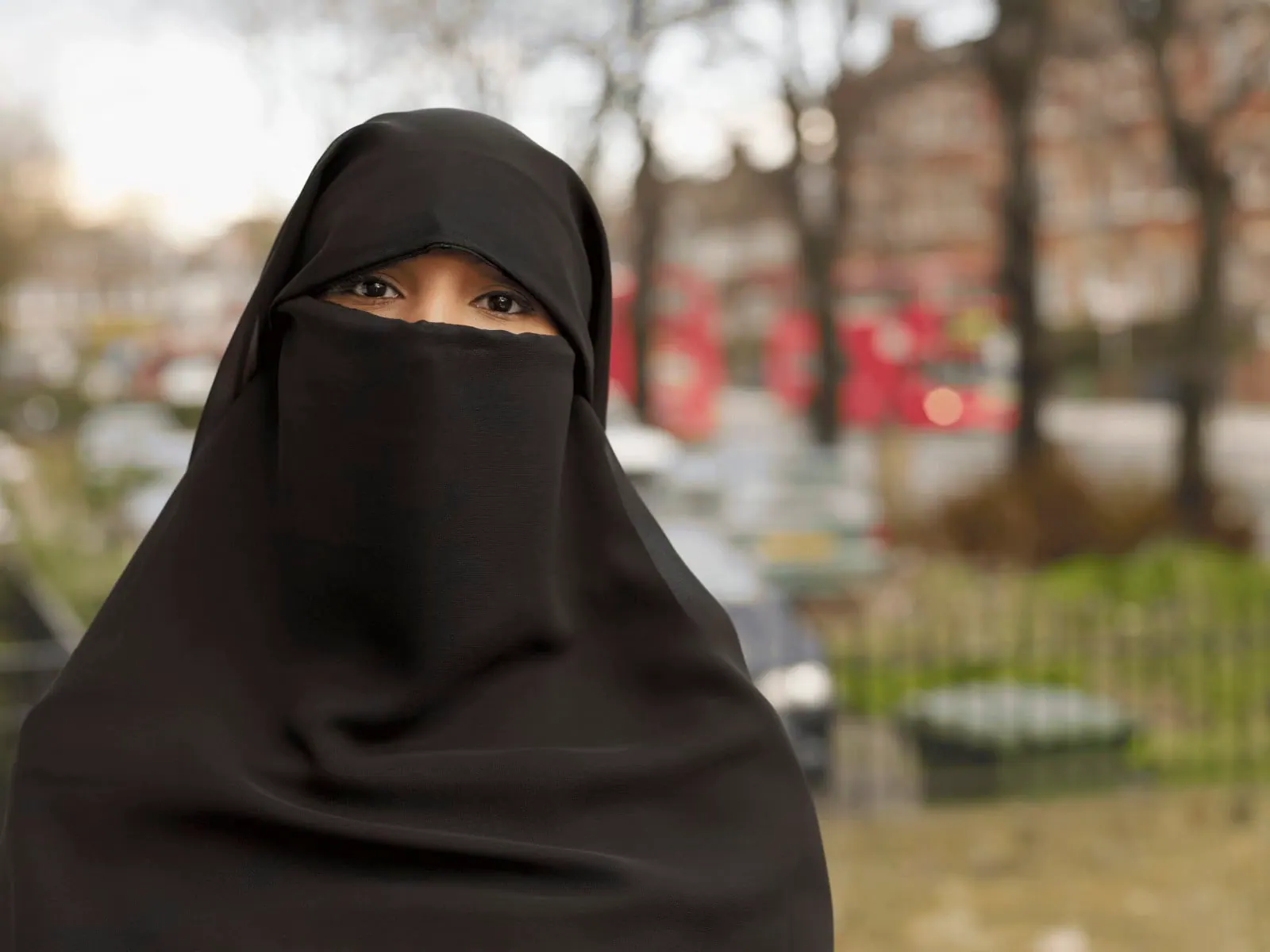
The proposed restriction on face-covering garments would introduce a specific school-related ban, although Italy currently has no law that expressly prohibits burqas or niqabs in schools or public places. Under a 1975 law, the use of helmets or garments that make identification difficult is prohibited unless there is a justified reason. Italy’s highest administrative court later clarified in 2008 that full-face veils could be worn for religious or cultural reasons, provided the face is uncovered when identity checks are required.
The issue has also been raised by parties further to the right of Meloni’s government. The National Future (FN), which is outside the governing coalition, called for a crackdown on burqas in schools in July. The FN has emerged as a significant challenger to Meloni’s political bloc after its support rose sharply in polls following its launch in February.
Meloni’s proposed limit on foreign students would also affect an area already covered by Italian law. However, she did not explain how the new proposal would alter the existing rules. Foreign students make up just under 12 per cent of enrolments in Italian schools, according to data from the National Statistics Institute (ISTAT).
Since 2010, Italian regulations have generally capped foreign students at 30 per cent of a class and a school’s overall enrolment. The threshold can be increased where foreign students have sufficient Italian-language skills, including those born in Italy, while it can be reduced where students have limited knowledge of Italian.
The proposed measures are part of a broader effort to address the integration of foreign students in Italy. Meloni stated that parents of foreign students facing serious difficulties integrating into the school system would be required to learn Italian. This move aims to promote better integration and language skills among foreign students.
The issue of migration and integration remains a contentious topic in Italy, with various parties offering different solutions. Meloni’s announcement is likely to spark further debate and discussion on the best approach to addressing these challenges.
Key points
- Italian Prime Minister Giorgia Meloni has announced plans to ban the wearing of burqas and niqabs in schools.
- The proposed measures also include a limit on the number of foreign students allowed in each class.
- The issue of migration and integration remains a major political issue in Italy ahead of next year’s general election.