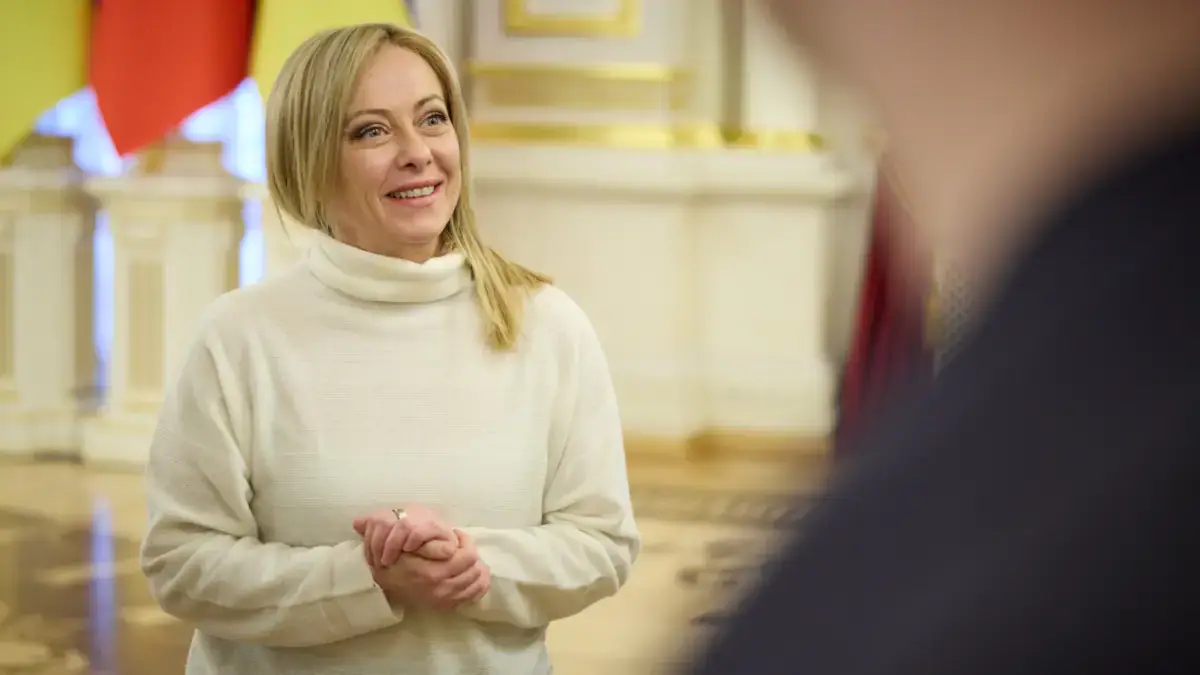
On November 7, Italian Prime Minister Giorgia Meloni accused pro-Russian hackers of being behind a cyberattack that leaked personal data of Foreign Minister Antonio Tajani. The data was published on the dark web. Meloni expressed solidarity with Tajani, who linked the attack to Italy's support for Ukraine. This incident is part of a series of similar accusations in Europe since 2022.
The cyberattack on Tajani's data is not an isolated incident. In July, the UK and European Union jointly sanctioned Russia, accusing it of conducting cyberattacks to create chaos. The UK targeted 24 individuals and entities linked to Russian intelligence services. Russia's Kremlin has consistently rejected these allegations. On July 13, Kremlin spokesperson Dmitri Peskov called the accusations unfounded.
The leaked data includes Tajani's photo in a list of 18 "citizens hostile to the Russian Federation," along with cybersecurity experts. Tajani reported that the data leak was accompanied by threats and intimidation targeting him and his family. He stated that his open support for a sovereign state's freedom and independence made him a target.
Prime Minister Meloni released a statement supporting Tajani after the revelations about pro-Russian hacking activities. She emphasized that the sale of public officials' information is extremely concerning and called for a coordinated response to hybrid threats and recent attacks on European critical infrastructure.
This incident follows similar accusations against Russia. In late 2025, Germany attributed a cyberattack on its aviation security to Russia, which the Russian embassy denied. On November 5, Peskov described accusations against Moscow after attacks on supermarket refrigeration facilities as absurd.
The cyberattack on Tajani's data highlights the ongoing threat of cybercrime and the challenges of attribution. The Italian government has not provided further details on the investigation or potential measures to prevent future attacks. The incident underscores the need for international cooperation to address cyber threats.
The leaked data and accompanying threats have raised concerns about the security of public officials. The Italian government has called for a coordinated response to address these threats. The incident is part of a broader context of cyberattacks and tensions between Russia and European countries.
Key points
- Italy's Prime Minister Giorgia Meloni accused pro-Russian hackers of leaking Foreign Minister Antonio Tajani's personal data.
- The cyberattack is part of a series of similar incidents in Europe since 2022, with Russia consistently rejecting the allegations.
- The incident highlights the need for international cooperation to address cyber threats and protect public officials' security.
Reporting sources
- Italie : Meloni accuse des hackers prorusses après une cyberattaque visant un ministre · La Nouvelle Tribune