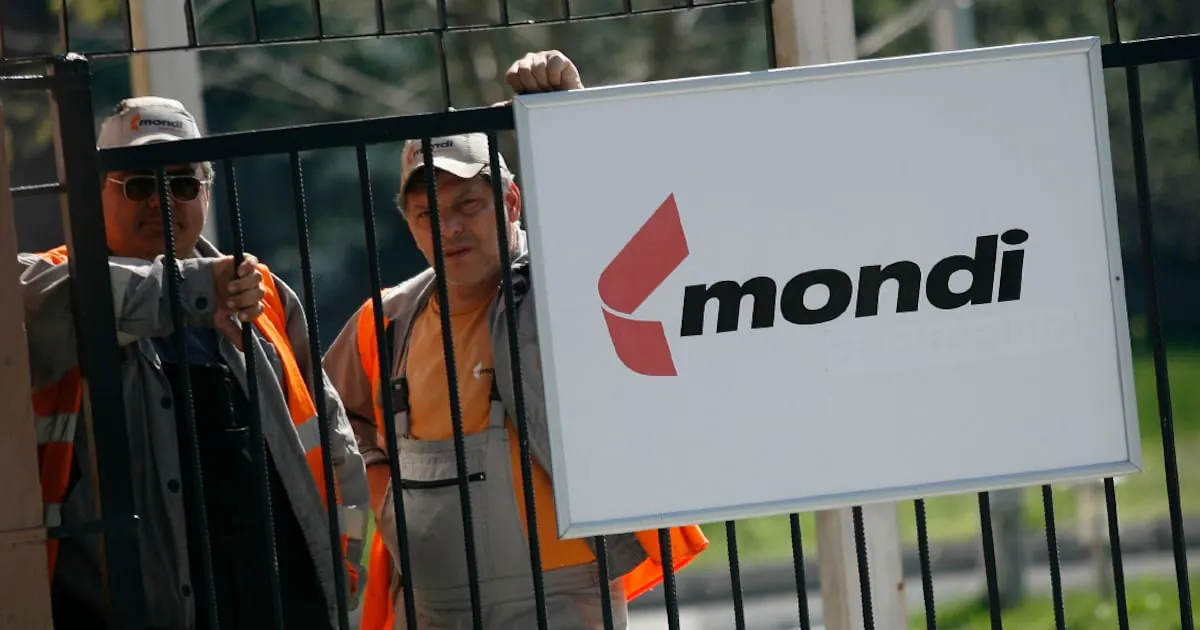
Multinational packaging and paper group Mondi has been dealt a blow in South Africa, the country where it was founded almost 60 years ago, after trade authorities declined its application to increase tariffs on cheap office paper imports. Mondi's popular office paper brand, Mondi Rotatrim, is one of South Africa’s most recognised premium office paper brands. The group had wanted duties on uncoated paper and paperboard products used mainly for office printing, photocopying and conversion purposes to be doubled from 10% to 20%.
The International Trade Administration Commission (Itac) found that while the domestic industry was operating in a market characterised by long-term structural decline associated with digitisation, changing consumer behaviour, weak economic growth and subdued demand for paper products, Mondi had not made out a case for the relief sought. Itac said there was no prima facie evidence that imports entering under the general column constitute the primary threat facing the applicant. Furthermore, most import competition originated from the EU, which benefits from preferential trading arrangements with South Africa.
The EU is South Africa’s largest source of foreign direct investment (FDI), with almost half of South Africa’s FDI stocks originating there. South Africa’s preferential trade with the bloc is governed primarily by the EU-Southern African Development Community (Sadc) Economic Partnership Agreement (EPA), which came into effect in October 2016 and replaced the older Trade, Development and Co-operation Agreement. This agreement likely influenced Itac's decision to block Mondi's tariff hike application.
Itac told Mondi, worth about R77bn on the JSE, it believed trade-remedy instruments, such as antidumping and safeguard duties, may constitute more appropriate measures should evidence of injurious import competition emerge in future. Mondi had alleged there was prima facie evidence indicating it was experiencing serious injury in the form of a decline in sales, net profit, output, market share and employment. The company argued the Southern African Customs Union (Sacu) industry was experiencing serious injury that could be causally linked to the recent surge in imports of the subject products.
The broader South African office supplies market rakes in billions of rand annually, with paper supplies taking the lion’s share of revenue. However, like other paper-based industries, it is facing an evolving digital landscape that is eating into profit. Mondi’s argument is that persistent global overcapacity has redirected surplus production into open markets, including South Africa, and the country’s tariff bindings and market-access commitments under the World Trade Organisation (WTO) framework have enabled increased imports amid heightened competitive pressure.
With Mondi’s application declined, the market will be on the lookout for the verdict on the application launched by Sappi , asking for a 5% tariff on imports of newsprint, in rolls or sheets. Itac, in its Mondi decision, reminded the industry that trade, industry & competition minister Parks Tau had instructed it to undertake a sector-wide paper and paper products industry investigation and recommend appropriate trade policy instruments that can drive the industry towards sustainability and resilience.
The South African pulp and paper industry has made substantial investments in recent years, with over R33bn invested in the sector over the past seven years. The sector’s processing capacity is highly intertwined with the virgin fibre production as well as the recycled fibre, supporting a wide range of enterprises and employment. The review, announced two weeks ago, might see the industry granted enhanced trade protections.
Key points
- Itac declined Mondi's application to increase tariffs on cheap office paper imports from 10% to 20%, citing EU trade agreements.
- The EU is South Africa’s largest source of foreign direct investment (FDI), with almost half of South Africa’s FDI stocks originating there.
- The South African pulp and paper industry has invested over R33bn in the sector over the past seven years.