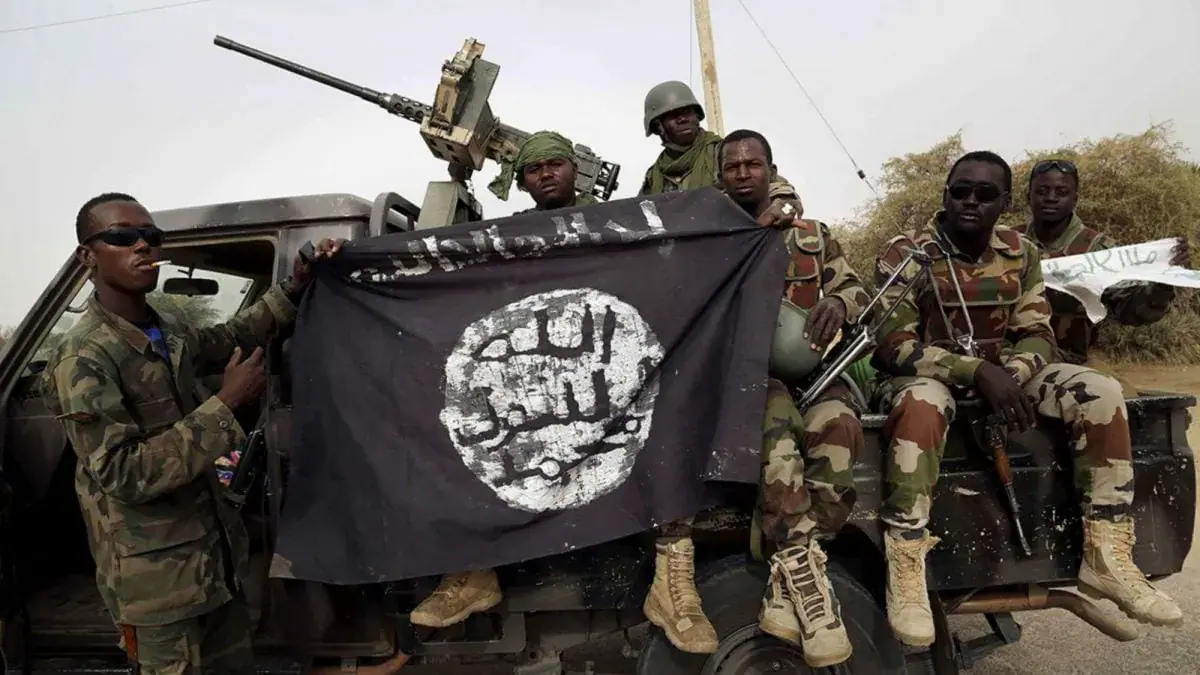
The Islamic State West Africa Province (ISWAP) operates a payment system rewarding fighters for the type and quantity of military equipment seized during attacks. According to a report by the Institute for Security Studies (ISS), an AK-47 rifle attracts a payment of $750, while a rocket-propelled grenade launcher is valued at $1,000. A box of ammunition could fetch between $500 and $1,000, depending on its calibre.
The financial arrangement has turned attacks on military bases into a source of income for the insurgents, beyond their conventional military and territorial objectives. The report revealed that ISWAP's finance department records captured weapons and equipment as spoils of war, known as ghanimah, before distributing the proceeds among fighters involved in the operations.
Sources familiar with ISWAP's finances and operations, including former fighters, reportedly told ISS that the group retains one-third of the total proceeds, while the remaining two-thirds go to those who participate in the attacks. Payments are made to fighters in naira, making the rewards financially significant in communities around the Lake Chad Basin.
The monthly minimum wage across Cameroon, Chad, Nigeria and Niger ranges between $53 and $108, while gross domestic product per capita in the four countries stands between $775 and $1,972. However, actual incomes in the border communities where Boko Haram operates are considerably lower, following years of armed conflict, economic hardship and climate-related challenges.
The ISS report explained that the financial incentives partly account for ISWAP's continued preference for attacking specific military installations rather than carrying out random ambushes. This approach differs from that of its rival faction, Jama'atu Ahlis Sunna Lidda'awati wal-Jihad (JAS), which primarily finances its activities through robbery and the exploitation of civilians.
Unlike JAS, ISWAP prohibits its fighters from directly robbing civilians and strictly regulates access to weapons, with members generally allowed to carry firearms only when deployed for operations. The group's organised financial structure also helps it maintain its operations despite the loss of senior commanders, such as ISWAP leader Bukar Mainok during the May 2026 United States-Nigeria strikes.
The report highlighted the need to strengthen military installations and improve the response capabilities of troops to reduce the success of ISWAP attacks and weaken the financial motivation behind them. The Director of Defence Information, Major General Samaila Uba, was contacted for comment but did not respond to subsequent calls or messages.
Key points
- ISWAP receives financial rewards from the Islamic State for attacking military bases and capturing equipment in Nigeria's North-East.
- The group operates a payment system rewarding fighters according to the type and quantity of seized equipment.
- Disrupting ISWAP's financial and operational networks is crucial to weakening the insurgency.
Reporting sources
- Fresh Details Emerge as ISWAP Targets Military Bases in Borno · Politics Nigeria