iStore, a leading Apple retailer in South Africa, is set to expand its network of dedicated pre-owned stores as part of its strategy to make Apple products more accessible to a wider customer base. The retailer currently operates 42 stores across the country and sees significant growth potential in its pre-owned business. This business has become a key part of iStore's affordability strategy, with pre-owned iPhones emerging as an important entry point for aspirational consumers.
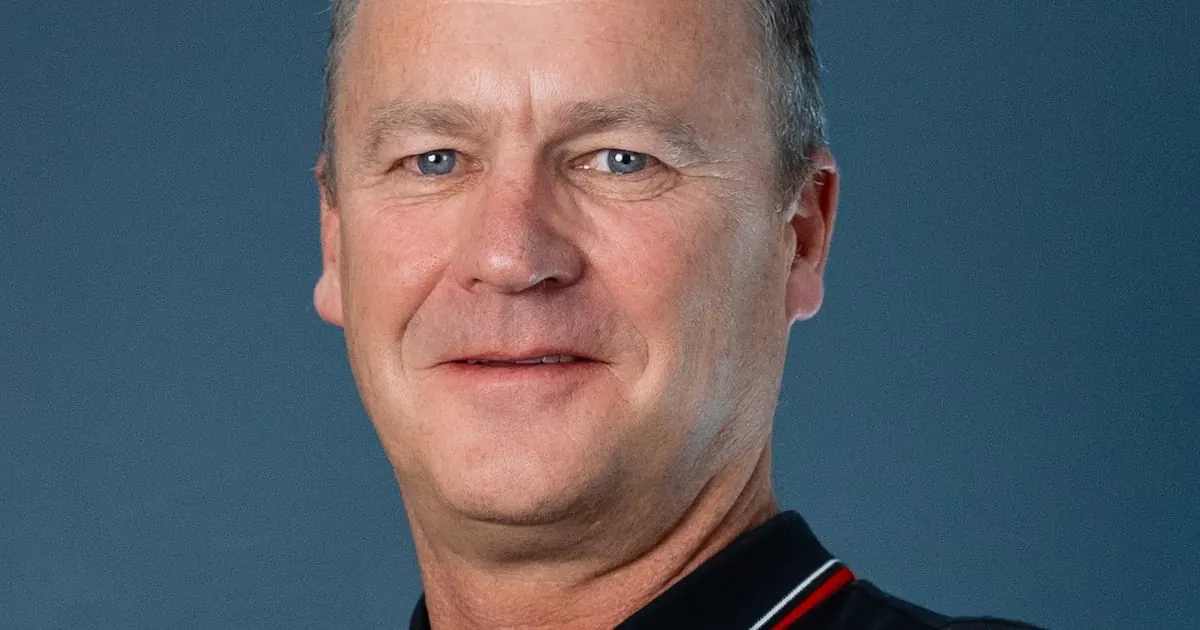
iStore South Africa CEO Chris Dodd said the company plans to open additional pre-owned outlets before the end of the year, driven by growing demand for refurbished devices. The company currently operates four dedicated pre-owned stores, selling devices that have been traded in, refurbished, repaired where necessary, and certified for resale. This approach allows iStore to offer a broader range of Apple products, including older-generation devices and refurbished products.
The pre-owned business has become central to iStore's strategy of catering to consumers across different income levels and stages of the upgrade cycle. By offering refurbished devices, iStore aims to provide an affordable entry point into the Apple ecosystem. The refurbishment model also supports a growing circular economy by extending device lifespans and reducing electronic waste. According to Dodd, the pre-owned model allows iStore to maximise the trade-in value offered to customers while making Apple devices available to buyers who may not be able to afford a new iPhone.
iStore's growth strategy is focused on creating multiple entry points into the Apple ecosystem through trade-ins, refurbished devices, a broader product range, and a wider physical footprint. The company views many pre-owned customers as future buyers of newer and more expensive Apple products. For example, the Rosebank pre-owned store has attracted many students entering the Apple ecosystem through refurbished devices. Dodd noted that these customers may eventually upgrade to more premium devices.
The growth of the pre-owned business is closely tied to iStore's trade-in programme, which offers up to R25,000 for qualifying smartphones traded in towards a new purchase. According to Dodd, about a quarter of iStore sales during peak trading periods are typically linked to a trade-in. With smartphone replacement cycles typically between two and three years, customers can still get good value for their devices after trading them in.
Recent sales trends for the new iPhone 18 range suggest that consumers remain willing to spend on premium devices when affordability mechanisms such as trade-ins are available. Dodd said demand for Apple's latest smartphone range has been strong, particularly at the higher end of the market. However, he emphasised that iStore's growth strategy is no longer driven solely by new product launches.
iStore aims to offer the broadest possible Apple product range, including older-generation devices that remain available from Apple, alongside refurbished products sold through its pre-owned stores. The company plans to expand its store footprint beyond traditional metropolitan locations and place outlets closer to consumers in regional shopping centres. iStore currently has stores in every province except the Northern Cape, where it is still searching for a suitable location.
Key points
- iStore plans to open additional pre-owned stores in South Africa to cater to growing demand for refurbished devices.
- The pre-owned business has become central to iStore's strategy of catering to consumers across different income levels and stages of the upgrade cycle.
- iStore's growth strategy focuses on creating multiple entry points into the Apple ecosystem through trade-ins, refurbished devices, a broader product range, and a wider physical footprint.