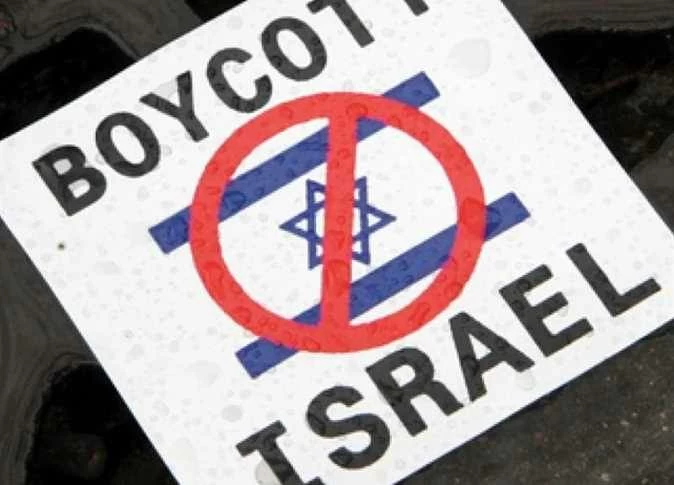
The Israeli newspaper "Ha'aretz" has reported a significant shift in the economic pressures faced by Israel, as boycotts and grassroots initiatives give way to official government actions. According to an economic analysis by David Rosenberg, this change marks a departure from traditional consumer-led boycotts, with some measures now being codified into law. This development has significant implications for Israel's economy and international relationships.
Britain has become the latest country to announce plans to introduce legally binding sanctions against Israel. The move is seen as a significant escalation in the economic pressures faced by the country, with Ha'aretz noting that this approach differs from traditional boycotts in that it is driven by government policy rather than individual consumer choices. The analysis suggests that this shift could have far-reaching consequences for Israel's economy.
The shift towards government-led sanctions has been driven in part by growing international criticism of Israel's policies. The country's actions have been the subject of intense debate in recent years, with many governments and international organizations calling for greater accountability. Ha'aretz notes that this shift in approach could have significant implications for Israel's relationships with its international partners.
According to Ha'aretz, the new measures will focus on issues such as the treatment of products from Israeli settlements and military cooperation. The analysis suggests that these measures could have a significant impact on Israel's economy, particularly in sectors that are heavily reliant on international trade and investment. The extent of the impact will depend on the specifics of the measures adopted by each government.
The development has been welcomed by those who have long called for greater accountability from Israel. However, others have expressed concerns about the potential consequences of such measures, including the potential for economic harm to innocent parties. As governments around the world consider their approach to Israel, the debate is likely to continue.
Ha'aretz notes that the shift towards government-led sanctions reflects a growing recognition of the need for more effective and sustainable forms of pressure. While grassroots boycotts have been effective in raising awareness about Israel's policies, they have been criticized for their limited impact and inconsistent application. Government-led sanctions, on the other hand, offer a more systematic and far-reaching approach.
The implications of this shift are still unclear, but Ha'aretz suggests that it could mark a significant turning point in the international debate about Israel's policies. As governments around the world consider their approach to the country, one thing is clear: the economic and diplomatic landscape is shifting, and Israel will need to adapt to these changes in the months and years ahead.
Key points
- Britain has announced plans to introduce legally binding sanctions against Israel.