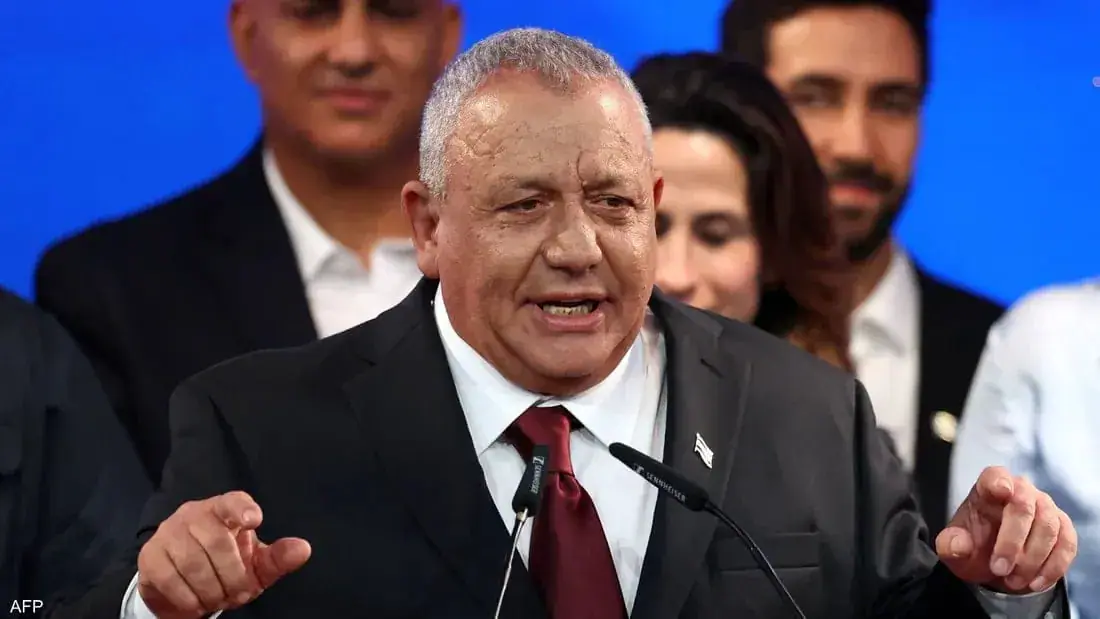
Israeli Prime Minister-designate Gadi Eisenkot has pledged to form an emergency national government. In a speech on Sunday, he outlined four core principles that must be met for any party to participate. These principles include recognition of Israel as a Jewish and democratic state, acceptance of the Declaration of Independence, commitment to mandatory military service, and enhancement of the Israeli military's capabilities.
Eisenkot's announcement comes after he was officially tasked by President Isaac Herzog with forming a government. The Prime Minister-designate emphasized that Israel faces pressing and dangerous challenges, stressing that failure to address them could pose a significant threat to the country's future. He warned that Israel cannot afford prolonged negotiations or another round of elections.
To form a government, Eisenkot requires support from parties that agree to his four principles. He has secured backing from parliamentary blocs representing 67 lawmakers, surpassing the 61 seats needed to establish a government. However, his own bloc has only 48 seats, leaving a gap that must be filled. The Joint List and United Arab List, or "Ra'am," have offered 19 additional recommendations but have not explicitly committed to supporting the prospective government.
Eisenkot has been given 28 days to form a government that can secure a Knesset majority, with the option to extend this period by 14 days. His ability to form a stable government will depend on his capacity to negotiate with various parties and secure their commitment to his principles. The formation of an emergency government is seen as crucial in addressing Israel's current challenges.
The challenges facing Israel are multifaceted and complex. The country is navigating a period of political uncertainty, with security concerns and economic issues at the forefront. The new government's success will depend on its ability to address these challenges effectively and make decisions that benefit the country as a whole.
Eisenkot's task is complicated by the fact that his own bloc lacks a majority. He must engage in negotiations with other parties to secure their support, which may require concessions and compromises. The success of his efforts will determine the stability and effectiveness of the new government.
The formation of an emergency government in Israel is a significant development, with implications for the country's future. The government's ability to address pressing challenges and make effective decisions will depend on the principles outlined by Eisenkot and the support he receives from other parties.
Key points
- Eisenkot sets four key principles for participation in the emergency government.