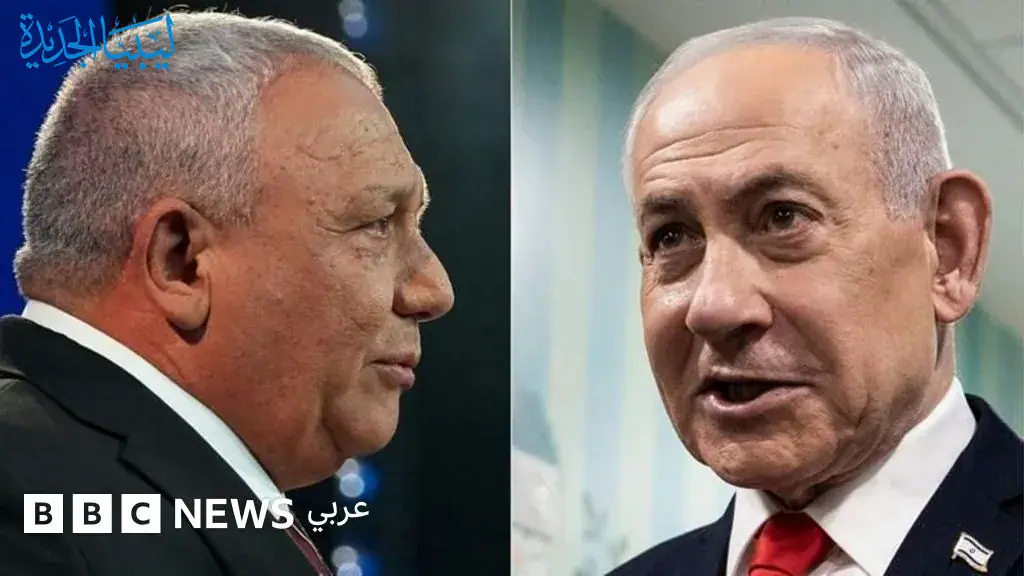
Israeli President Isaac Herzog announced on Thursday that he will choose a candidate to form a new government on Sunday. This decision comes after two days of consultations with party leaders. Herzog stated that 67 members of parliament recommended Gadi Eisenkot, a former chief of staff, while 46 recommended incumbent Prime Minister Benjamin Netanyahu.
The recent elections did not yield a clear majority for any party or bloc. Eisenkot's bloc secured 48 seats, with support from the United Arab List and the Joint List, which won 19 seats combined. Netanyahu's bloc, on the other hand, secured 46 seats. The Jewish Torah party, which won seven seats, declined to recommend either candidate, citing a focus on resolving the status of Torah students.
The choice of candidate will have significant implications for Israel's future. Eisenkot has expressed support for ending exemptions from military service for ultra-Orthodox Jews, a contentious issue. Netanyahu has maintained these exemptions but failed to pass them into law. The ultra-Orthodox community is a crucial voting bloc, and their support will be essential for forming a stable government.
The candidate chosen by Herzog will have 28 days to form a government, with the option to extend this period by 14 days. If they fail to form a government, Israel will likely hold new elections. Netanyahu will continue to serve as caretaker prime minister until a new government is formed or elections are held.
Herzog emphasized the need for stability and cooperation in forming a government. He expressed confidence in the Israeli security agency's ability to investigate allegations of foreign interference in the elections. The president also urged calm and condemned racist remarks targeting Arab citizens.
The elections were marked by controversy, with allegations of foreign interference. The Central Elections Committee reported evidence of large sums of money flowing into Israel from abroad, potentially influencing the vote. Qatar denied any involvement, while the National Security Minister called for the arrest and questioning of Arab party leaders.
The choice of candidate will set the stage for Israel's future. Key issues, such as the status of ultra-Orthodox Jews and the Israeli-Palestinian conflict, will need to be addressed. The new government will face significant challenges in navigating these complex issues and forming a stable coalition.
Key points
- The Israeli President will choose a candidate to form a new government on Sunday.
- The candidate will have 28 days to form a government, with the option to extend this period.
- The new government will face significant challenges, including addressing the status of ultra-Orthodox Jews and the Israeli-Palestinian conflict.