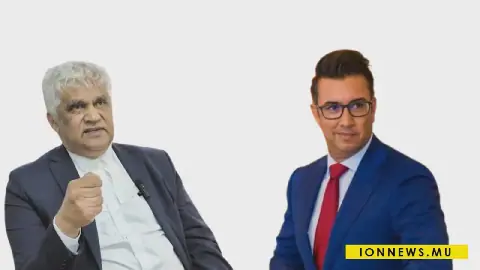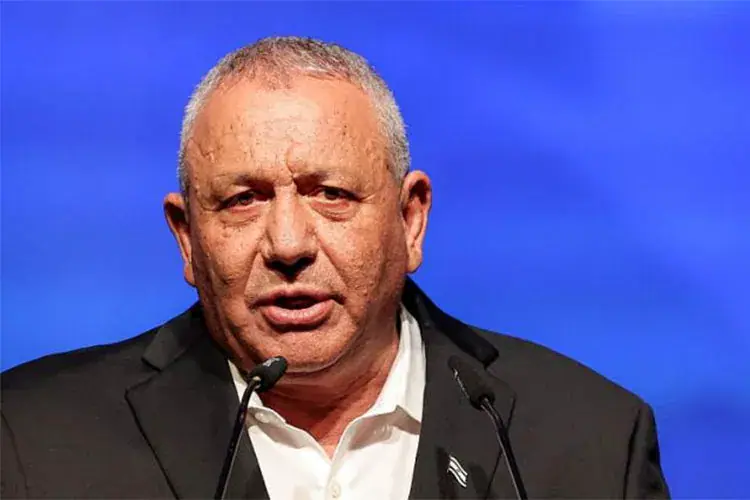
Gadi Eisenkot, a former Israeli general, has been tasked with forming a new government in Israel. His Arab roots, stemming from his Moroccan descent, have sparked interest and debate. However, analysts argue that his loyalty to the Jewish state and its ideology may take precedence over any potential benefits to the Arab community. Eisenkot's rise to power comes after his party, led by Yariv Levin, secured a crucial role in the upcoming parliament.
Eisenkot's political approach may differ from that of his rival, Benjamin Netanyahu, who is known for his hardline stance on Arab issues. While Eisenkot may be more open to engaging with the Arab community, his core ideology remains aligned with Jewish nationalism. He has stated that the Jewish character of the state is non-negotiable, but he is open to discussions on other aspects of governance. This stance has raised questions about the potential for meaningful change in Israel's policies towards its Arab citizens.
Netanyahu and his Likud party have accused Eisenkot of being too willing to compromise with Arab parties and potentially undermining Israel's Jewish identity. However, Eisenkot's supporters argue that his unique background and experience make him an ideal candidate to bridge the divide between Jewish and Arab Israelis. As the country prepares for a new government, many are watching to see how Eisenkot will navigate these complex issues.
Arab lawmakers in the Knesset, Israel's parliament, should be cautious not to be swayed by Eisenkot's Arab roots, analysts warn. While he may be more open to dialogue, his actions as prime minister will ultimately determine his commitment to the Arab community. The Arab community in Israel faces significant challenges, including discrimination and limited access to resources. Any meaningful change will depend on Eisenkot's willingness to address these issues.
The Israeli media has been abuzz with discussions about Eisenkot's potential government and its implications for the country. Some commentators have expressed concern that Eisenkot's leadership may lead to increased polarization between Jewish and Arab Israelis. Others see his appointment as an opportunity for the country to re-examine its policies and work towards greater equality and inclusion.
A key challenge facing Eisenkot is balancing the demands of different factions within his coalition. He must navigate the complex web of alliances and rivalries between various parties, all while maintaining a commitment to his core ideology. The success of his government will depend on his ability to find common ground and make difficult decisions.
As Israel prepares for a new era under Eisenkot's leadership, the international community is watching with interest. The country's relationships with its neighbors and the global community will depend on its ability to address long-standing issues, including the Israeli-Palestinian conflict. Eisenkot's stance on these issues will be crucial in determining the country's future trajectory.
Key points
- Gadi Eisenkot's Arab roots may not significantly benefit the Arab community in Israel, given his loyalty to the Jewish state and its ideology.
Reporting sources
- الجذور العربية لآيزنكوت لا تعني شيئا · echoroukonline.com