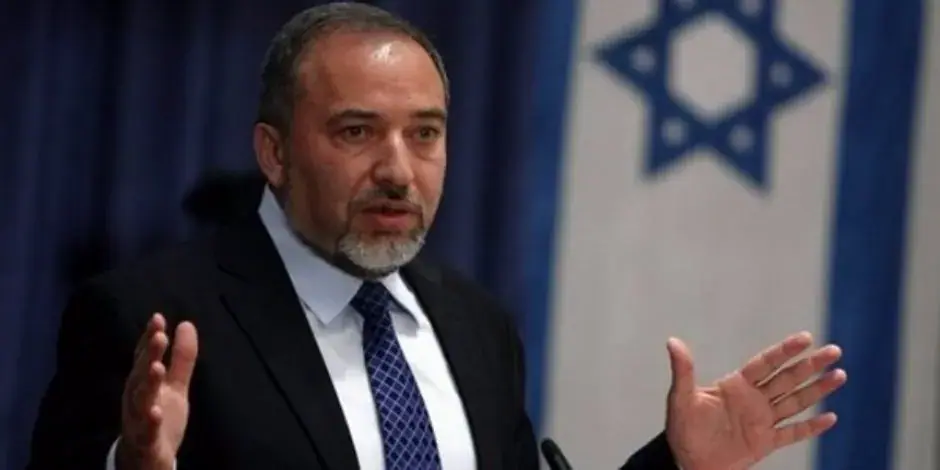
The recent Israeli elections have yielded a complex and uncertain political landscape, with the two main political camps showing a near-even split in the number of seats won. According to Dr. Ahmed Fouad Anwar, an expert in Israeli affairs, this development has significant implications for the country's ability to form a stable government. The expert noted that the results have sparked questions about the feasibility of forming a government that can effectively address the country's challenges.
The Arab parties have secured notable representation in the Knesset, with the Joint List and United List estimated to have secured around 17 seats. Dr. Anwar views this as a significant development, highlighting the importance of Arab citizens participating in the electoral process. However, he also criticized some Israeli political forces for their stance on the participation of Arab citizens, arguing that their exclusion from the decision-making process contradicts the country's professed commitment to democracy.
The near parity between the two main camps has contributed to a sense of uncertainty and confusion in Israel's domestic politics. Dr. Anwar pointed out that this has been reflected in fluctuations in the stock market and currency, as well as ongoing disagreements over government formation and policy. The situation is further complicated by statements regarding international sanctions and hardline political stances.
The role of Avigdor Lieberman, a key figure in Israeli politics, is likely to be crucial in determining the shape of the next government. Dr. Anwar noted that Lieberman's objections to the participation of Arab parties and ultra-Orthodox parties in the government may force him to make difficult choices about which camp to support. Lieberman's stance could prove decisive in securing a majority for one of the competing camps.
The expert also explored the possibility of Arab parties providing external support to a government coalition. Citing previous experiences where Arab parties provided parliamentary backing to pass budgets and prevent government collapse, Dr. Anwar suggested that this scenario remains a possibility in the current political landscape.
The implications of the election results extend beyond the immediate challenges of government formation. Dr. Anwar argued that the outcome highlights the tension between Israel's professed commitment to democracy and the reality of exclusionary policies towards certain segments of the population. This paradox has significant implications for the country's democratic credentials.
As Israel navigates this complex and uncertain period, the international community is watching closely. The country's ability to form a stable government and address its internal challenges will have significant implications for regional and global stability. Dr. Anwar's analysis underscores the need for careful consideration of the implications of the election results and their potential impact on Israel's future.
Key points
- The near-even split in the Israeli election results raises questions about the country's ability to form a stable government.
- The Arab parties have secured notable representation in the Knesset, with around 17 seats.
- Avigdor Lieberman's stance is likely to be crucial in determining the shape of the next government.