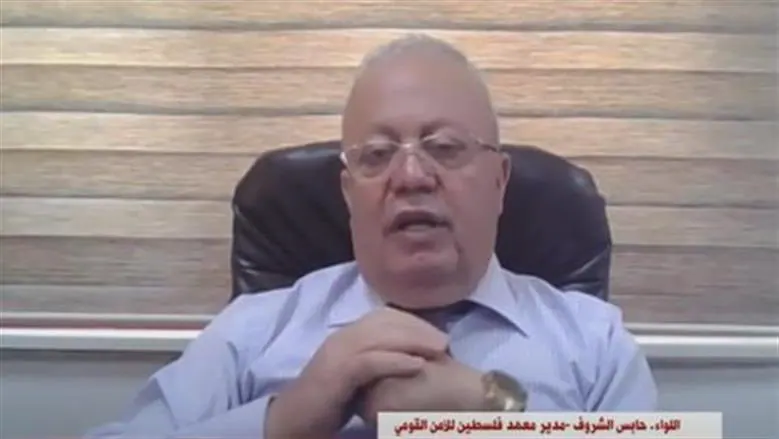
According to Habis Al-Shuruf, director of the Palestine Institute for National Security Research, Israel's policies in the West Bank are focused on achieving several goals, primarily cutting off the territory and preventing geographic connection between its areas. This approach is also linked to demographic considerations, aiming to separate residents and exert pressure on Palestinians to encourage displacement.
Al-Shuruf noted that Israel's actions include seizing more land and tightening its grip on the Palestinian population. These tactics, he emphasized, remain integral to Israel's strategy. His comments come amid the ongoing presence of the Israeli military in the West Bank, particularly in the southern region, where the 98th Division has been deployed.
The 98th Division, an operational force associated with combat and military operations, consists of approximately 13,000 to 20,000 soldiers. Al-Shuruf believes their deployment is tied to the current Israeli elections and aims to reassure settlers that the Israeli army continues to protect them. This military presence has contributed to the prevailing tensions in the region.
Al-Shuruf anticipates that these policies will lead to increased closures and heightened pressure on Palestinian residents in the coming days. The presence of Israeli settlers in various parts of the Palestinian territory persists, facilitated by the Israeli military. Settlers have been able to access Palestinian villages and cities due to the military's support.
Palestinians continue to resist the presence of Israeli settlers using available means, often leading to confrontations. When settlers are expelled, Israeli forces intervene, using live ammunition against residents. This dynamic underscores the ongoing conflict between Palestinians and Israelis, with international attention focused on the situation.
The international community has taken various stances on the issue of settlements and settlers. Al-Shuruf's remarks highlight the complexities of the situation, with multiple factors influencing the policies and actions of both Israelis and Palestinians. The situation remains volatile, with potential for further escalation.
The comments from Al-Shuruf provide insight into the strategic objectives behind Israel's actions in the West Bank. His analysis underscores the significance of understanding the geopolitical context and the various interests at play in the region. The situation continues to evolve, with developments impacting both local populations and the broader international community.
Key points
- Israel's policies in the West Bank aim to prevent geographic connection between areas.
- The deployment of the 98th Division is linked to Israeli elections and aims to reassure settlers.
- The situation is expected to escalate, with increased closures and pressure on Palestinian residents.