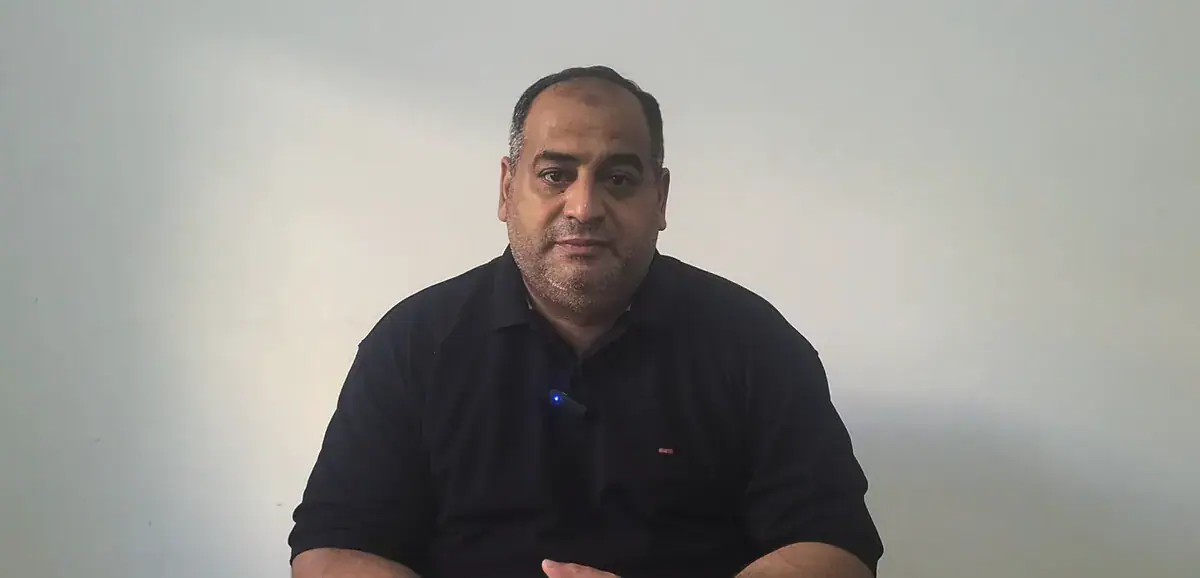
The recent Israeli legislative elections have left uncertainty over who will be the next Prime Minister. However, for Palestinians in Gaza, the outcome is unlikely to bring significant change. Rami Abou Jamous, a Palestinian journalist and founder of GazaPress, believes that neither Benjamin Netanyahu nor Gadi Eisenkot represents a genuine alternative for Palestinians. In an interview with Africa Radio, Abou Jamous stated that the majority of Gaza's population is preoccupied with survival, with little attention paid to the elections.
The situation in Gaza is dire, with two years of war and destruction taking a heavy toll on the population. Abou Jamous described the daily struggles of Gazans, including queuing for water, food, and medical care. While the Israeli elections were followed in Gaza, they did not generate much hope for change. According to Abou Jamous, the election campaign did not focus on peace or a withdrawal of Israeli forces, but rather on further colonization and settlement expansion.
Abou Jamous expressed skepticism about the potential for change under either Netanyahu or Eisenkot. He noted that the latter's campaign did not emphasize peace with Palestinians or improving living conditions in Gaza. Instead, Eisenkot's camp has focused on eliminating Hamas, which Abou Jamous believes will only harm the population. The journalist also highlighted the lack of concrete proposals to address the humanitarian crisis in Gaza.
The election results did show a significant gain for Israeli Arab parties, which won 19 seats. Abou Jamous sees this as a positive development, potentially allowing these parties to influence Israeli policy and promote greater equality for Arab citizens. However, he also acknowledged the limitations of this progress, given the entrenched racism and discrimination faced by Arab Israelis.
The mood in Gaza is one of despair and fatigue, with many residents feeling trapped in a "tunnel of darkness." Abou Jamous described the widespread depression and hopelessness, as well as the struggle to survive in a region that has been devastated by war. He also noted that Gazans have been forced to return to a medieval way of life, with limited access to basic necessities.
Despite the challenges, Abou Jamous remains committed to reporting on the situation in Gaza and highlighting the need for change. He emphasized that the international community must take action to address the humanitarian crisis and promote a peaceful resolution to the conflict. The journalist's comments reflect the frustration and desperation felt by many in Gaza, who are struggling to survive in a region that seems to have been forgotten.
The situation in Gaza remains a pressing concern, with the international community facing criticism for its response to the crisis. As the region teeters on the brink of further conflict, the need for a peaceful and sustainable solution has never been more urgent. The comments of Rami Abou Jamous serve as a reminder of the human cost of the conflict and the need for action to address the suffering of Palestinians in Gaza.
Key points
- Neither Netanyahu nor Eisenkot offers hope for change in Gaza.