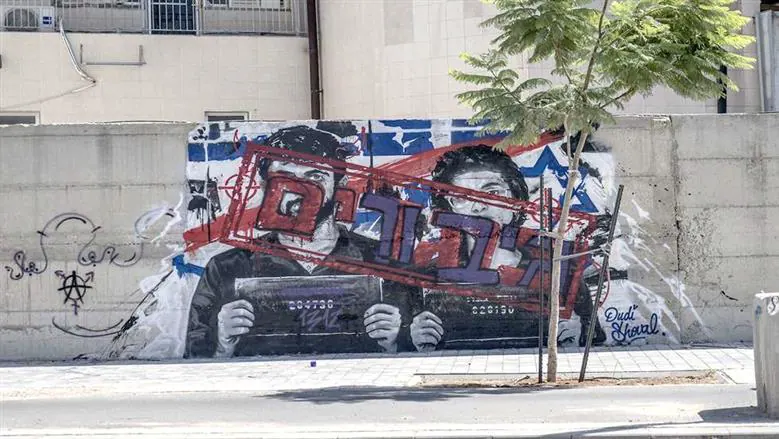
The documentary film "Naza" has sparked a heated debate in Israel after it was screened at the Venice Film Festival, where it received a 25-minute standing ovation. The film, directed by Yuval Abraham and Rachel Zore, features testimonies from 24 Israeli military personnel, including intelligence officers and soldiers, who share their experiences during the Gaza war. The film's title, "Naza," is an acronym for a military term used to estimate the number of civilian casualties during a military operation.
The reaction to the film in Israel has been overwhelmingly negative, with right-wing politicians and activists accusing the filmmakers of treason and calling for them to be banned from returning to the country. Israeli Prime Minister Benjamin Netanyahu has vowed to introduce legislation that would allow the citizenship of critics of the Israeli military to be revoked. The backlash has gone beyond verbal threats, with protesters and far-right groups calling for violent action against the filmmakers and even advocating for their execution.
The film's portrayal of the Gaza war has been criticized by some for being based on testimonies from Israeli military personnel, while others have praised it for providing a nuanced and thought-provoking look at the conflict. The film's use of Hebrew-language narration and its focus on the experiences of Israeli soldiers have made it a sensitive topic in Israel. The film is set to be released in US cinemas on September 30, with plans for international distribution.
Human rights organizations and peace groups in Israel have expressed their solidarity with the filmmakers, while also condemning the threats against them. The Israeli newspaper Haaretz has warned that the threats against the filmmakers pose a real danger to their lives. The backlash against the film has been seen as a reflection of the increasingly polarized nature of Israeli politics, with the government's response to criticism being seen as heavy-handed and repressive.
The controversy surrounding the film has also highlighted the challenges faced by journalists and filmmakers in Israel who seek to critically examine the country's military actions. The Israeli government's attempts to restrict freedom of expression and silence critics have been widely condemned, with many arguing that such actions undermine the country's democratic values. The film's impact on the Israeli public and its potential to shape public opinion about the Gaza war remain to be seen.
The reaction to the film has also sparked concerns about the role of the Israeli media in shaping public opinion. Some have accused the media of being biased in favor of the government and of failing to critically examine the country's military actions. Others have praised the film for providing a much-needed platform for critical voices and for highlighting the complexities of the Gaza conflict.
As the controversy surrounding the film continues to unfold, it remains to be seen how the Israeli government will respond to the backlash and what implications this will have for freedom of expression in the country. The filmmakers have received support from international organizations and human rights groups, who have condemned the threats against them and called for the Israeli government to protect their rights.
Key points
- The Israeli government's response to criticism of its military actions has been widely condemned as heavy-handed and repressive.
- The controversy surrounding the film has highlighted the challenges faced by journalists and filmmakers in Israel who seek to critically examine the country's military actions.
- The film's impact on the Israeli public and its potential to shape public opinion about the Gaza war remain to be seen.