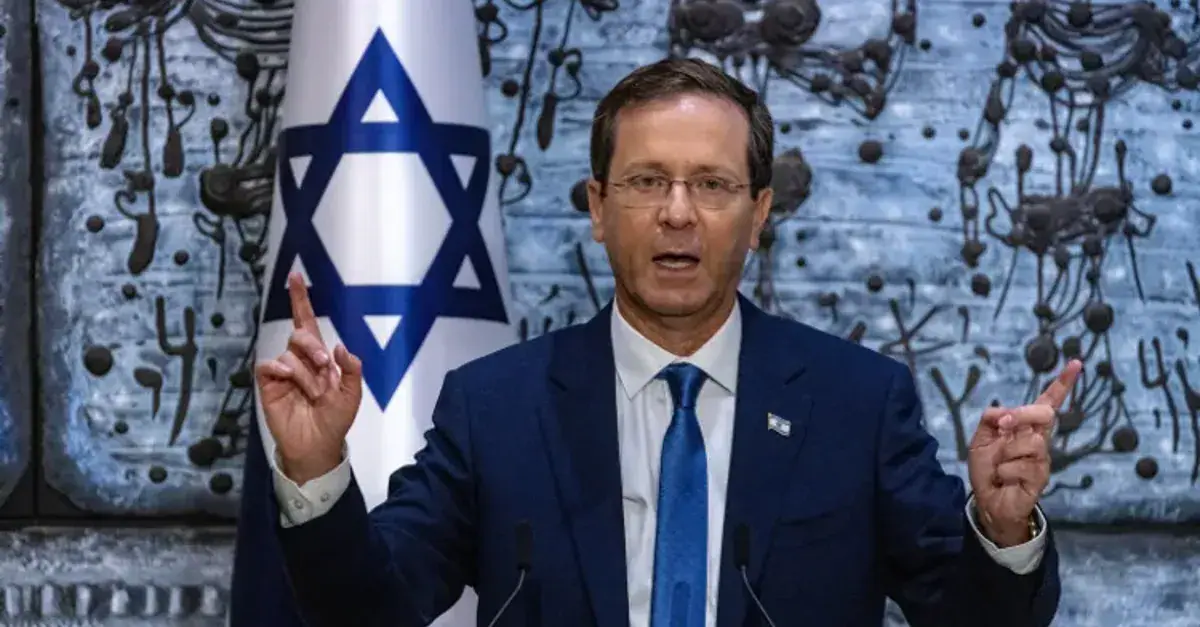
Israeli President Isaac Herzog received the official results of the recent elections from the electoral commission. The results came after a thorough audit of over 9,000 polling stations. This development occurs amidst allegations by Israel's internal security agency, Shin Bet, of potential irregularities in the electoral process. The allegations include claims of substantial funds from adversarial countries being used to finance Arab parties.
The allegations made by Shin Bet led to calls for the arrest of representatives from Arab parties, including four prominent members of the Joint List and the United List. However, the head of Shin Bet had previously stated that the elections were conducted fairly and securely, with no significant security breaches reported. The timing and motivations behind these allegations have raised questions, with some speculating that they may be politically driven.
The Likud party, which had been at the forefront of these allegations, has announced its intention to appeal the election results. The party's actions have been met with skepticism, with some observers noting that the party's leader, Benjamin Netanyahu, has a history of contesting election outcomes that did not favor him. The appeal comes as the country prepares for the formation of a new government.
The official results of the elections were delivered to President Herzog despite the objections raised by some parties. The President is expected to begin consultations with representatives of parties that received fewer seats, starting with the Religious Zionism Party, followed by Shas and Israel Beytenu. These consultations will precede the President's decision on who to task with forming the next government.
Israeli assessments suggest that Gadi Eisenkot, leader of the Change and Opposition bloc, may be entrusted with forming the government, given his party's performance in the elections. However, there are doubts about his ability to form a stable government, especially after some opposition members expressed their unwillingness to participate in a national unity government.
These developments unfold against a backdrop of Israeli concerns over potential political isolation, influenced by the outcome of the US midterm elections. The results could impact decisions made by the US Congress, particularly given Netanyahu's close relationship with US President Donald Trump. There is anxiety in Israel about the possible implications of the US elections on Congressional decisions.
The situation is further complicated by Netanyahu's reported plans to pursue military action before the end of the year. The Israeli Prime Minister's intentions come at a time when the country is navigating complex political and diplomatic landscapes, both domestically and internationally. The international community is closely watching these developments, given their potential impact on regional stability.
Key points
- The Israeli President has received the official election results amid allegations of irregularities and external funding.
- The Likud party has announced its intention to appeal the election results.
- The formation of a new Israeli government is uncertain, with Gadi Eisenkot potentially being tasked with its formation.