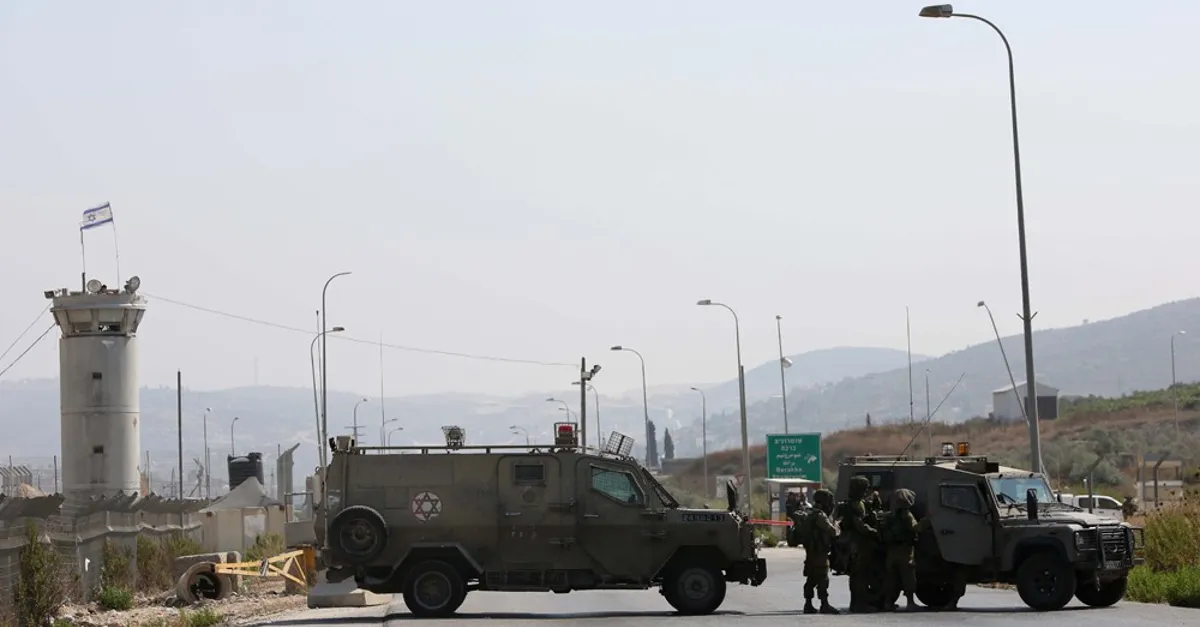
Israeli occupation authorities have decided to impose a comprehensive closure on the West Bank and close border crossings starting Sunday, until Saturday, October 3. This move is under the pretext of celebrating the Jewish holiday of Sukkot, also known as the Feast of Tabernacles. The Israeli occupation often utilizes Jewish holidays to intensify restrictions on the Palestinian population.
The closure is part of a broader pattern of imposing severe restrictions in the West Bank during Jewish holidays, under the guise of enhancing security and preventing potential attacks. However, these measures severely restrict the movement of Palestinians between cities, towns, and villages. This closure coincides with increased military presence at checkpoints and city entrances.
The restrictions also impede Palestinians' access to places of worship. Furthermore, there have been continued raids by Israeli forces and attacks by settlers in various parts of the West Bank. These actions contribute to a heightened state of tension and underscore the complex and strained relationship between Israeli authorities and the Palestinian population.
The current closure has been implemented during the Jewish holiday of Sukkot, a significant seven-day celebration according to the Hebrew calendar. During this period, the occupied Palestinian territories typically experience enhanced military measures and the closure of crossings and checkpoints. This situation exacerbates the already strained conditions in the region.
The West Bank has witnessed escalating tensions since the outbreak of the Israeli war on the Gaza Strip in October 2023. There has been an intensification of Israeli military operations and an increase in settler violence, accompanied by growing restrictions on Palestinian movement. These developments have significantly impacted the daily lives of Palestinians.
The decision to impose a comprehensive closure on the West Bank has raised concerns about the humanitarian situation and the impact on the Palestinian economy. Restrictions on movement and access to essential services can have far-reaching consequences for the local population. The situation remains a point of contention in the Israeli-Palestinian conflict.
The international community has expressed concern over the escalation of violence and the humanitarian situation in the region. Efforts to de-escalate tensions and promote dialogue between Israeli and Palestinian authorities continue. The situation in the West Bank remains a critical aspect of the broader Israeli-Palestinian conflict, with implications for regional stability and peace.
Key points
- Israeli occupation authorities have imposed a comprehensive closure on the West Bank until October 3.