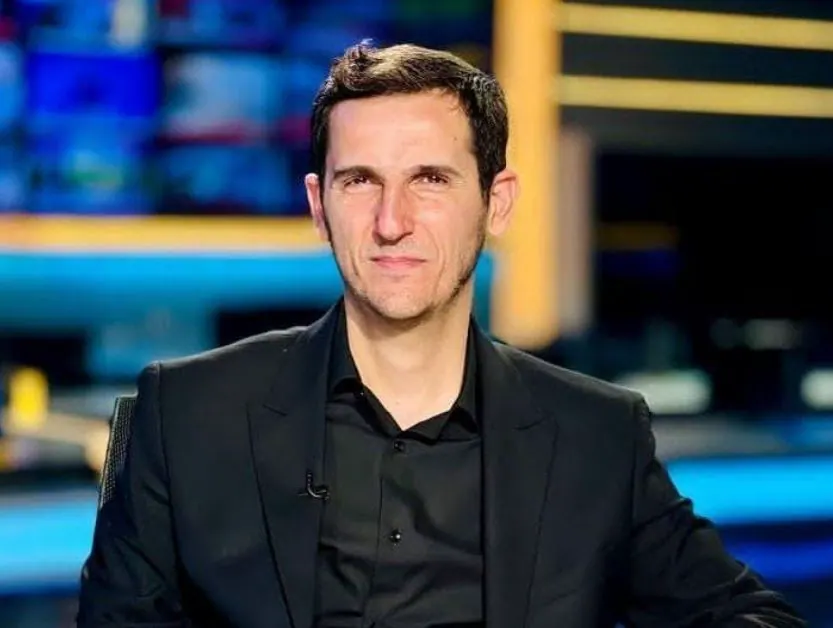
Israeli forces have continued to violate the ceasefire agreement with Lebanon, despite international calls for restraint. According to Lebanese political analyst Bilal Al-Luqais, Israel's actions are driven by a desire to expand its territory and undermine the Lebanese resistance. Al-Luqais noted that Israel's behavior is not surprising, given its history of disregarding agreements and international law. The ongoing violations have raised concerns about the potential for escalation in the region.
The Israeli government's actions are also influenced by domestic politics, with Prime Minister Benjamin Netanyahu seeking to boost his popularity ahead of elections. Al-Luqais suggested that Netanyahu's government is using a strategy of gradual escalation to achieve its goals, while avoiding a full-scale conflict that could have significant consequences for Israel. The analyst noted that Israel is currently constrained by the risk of retaliation from Lebanese resistance groups and the potential for regional instability.
The United States, which has traditionally been a key player in the region, has not exerted significant pressure on Israel to halt its violations. Al-Luqais accused the US administration of openly supporting Israel's actions, saying that it has not taken any meaningful steps to prevent the escalation. The analyst noted that the US has gone so far as to endorse Israel's expansionist policies, citing comments by former US President Donald Trump that Israel needs to expand its territory.
The Lebanese resistance, led by Hezbollah, has so far maintained a level of restraint in response to Israeli actions. Al-Luqais suggested that Hezbollah is likely to continue to exercise caution, at least until the Israeli elections are over. However, he noted that the situation is fluid and that the resistance is prepared to respond if necessary. The analyst emphasized that Hezbollah's strategy is driven by a desire to protect Lebanon's interests and maintain the country's sovereignty.
The situation in Lebanon is distinct from the situation in Gaza, where Israel has also been engaged in a conflict. Al-Luqais noted that while Israel's goals are similar in both cases, the circumstances are different. He suggested that Hezbollah is a more significant player in Lebanon, with greater capabilities and a stronger popular base. The analyst also noted that the regional dynamics are more complex in Lebanon, with multiple actors and interests at play.
The ongoing tensions between Israel and Lebanon have significant implications for regional stability. Al-Luqais warned that the situation could escalate further if Israel continues to pursue its expansionist policies. He emphasized the need for international pressure on Israel to respect the ceasefire agreement and Lebanese sovereignty. The analyst also noted that the Lebanese government needs to take a stronger stance in defending its country's interests.
The situation remains volatile, with both sides appearing to be calculating their next moves. Al-Luqais suggested that Israel is likely to continue its current strategy of gradual escalation, while Hezbollah and other Lebanese resistance groups remain vigilant and prepared to respond. The analyst emphasized that the international community has a critical role to play in preventing further escalation and promoting a peaceful resolution to the conflict.
Key points
- Israel's actions in Lebanon are driven by a desire to expand its territory and undermine the Lebanese resistance.
- The US administration has openly supported Israel's actions, failing to exert significant pressure to halt the violations.
- Hezbollah has maintained a level of restraint in response to Israeli actions, but the situation remains volatile and could escalate further.