Israel's Prime Minister Benjamin Netanyahu will remain in office until a new government is formed, but the new 120-member parliament presents significant challenges. His bloc has lost 15 seats, dropping to 53, while the opposition bloc led by Gadi Eisenkot has 48 seats. A record 19 lawmakers from Arab-majority parties, vehemently opposed to Netanyahu, are also part of the new parliament. This shift may impact Netanyahu's ability to pass legislation and make key decisions.
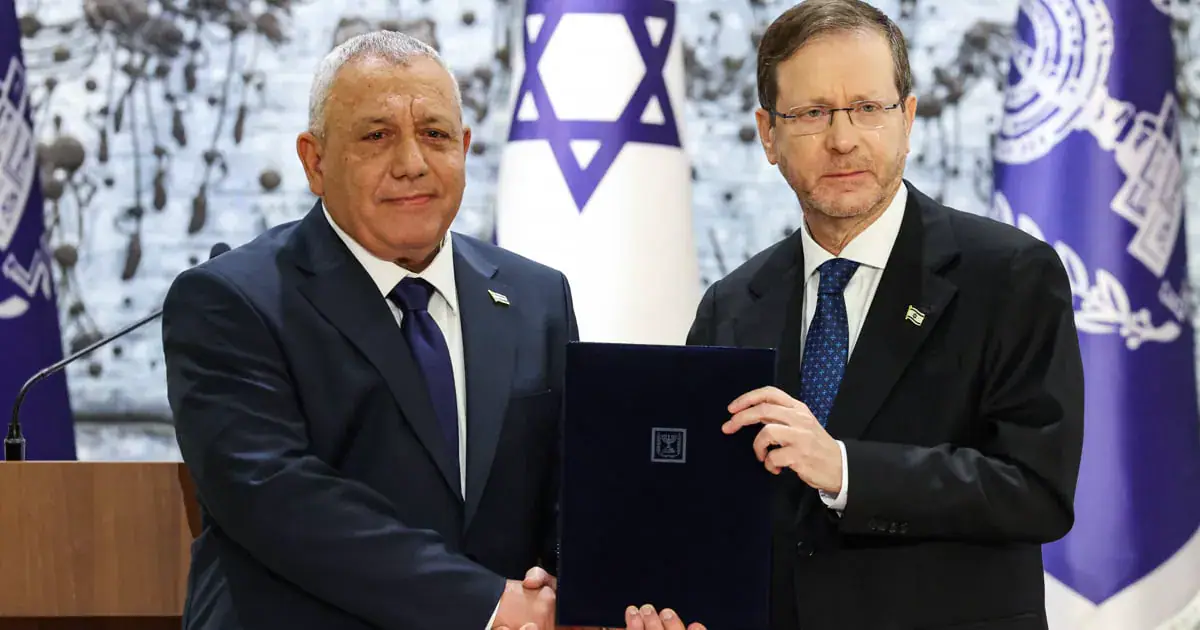
Gadi Eisenkot, a former military chief, has been given the mandate to form a new government by President Isaac Herzog. However, neither Eisenkot nor Netanyahu commands a majority, making the formation of a new government complicated. Eisenkot has warned military chiefs that Netanyahu does not have a mandate to resume war against Iran, although this statement is more about politics than law. Netanyahu remains in charge of national security until a new government is formed.
One of the opposition's main campaign promises was to set up a commission of inquiry into the October 7, 2023, Hamas attack, which was the deadliest day for Israel. Netanyahu denies any wrongdoing, but his government has opposed an independent commission. The new parliament could set up a special committee on the attack, which would hand over its findings to an eventual commission of inquiry. Eisenkot has declared that forming a commission will be an immediate priority.
The new parliament could also move to repeal some of Netanyahu's most controversial laws, including those related to judicial reform. These laws triggered large protests, with liberals worried about the future of democracy. The new parliament may aim to repeal laws that limited the powers of the Supreme Court and made it easier to remove the country's attorney general. Additionally, lawmakers could roll back exemptions for ultra-Orthodox Jews from serving in the military.
The election of a new parliament speaker will be the first major clash. The incumbent, Amir Ohana, is a Netanyahu loyalist, but the opposition is pushing for a new speaker to be elected at the inaugural session. According to parliamentary rules, the vote for speaker can take place during the inaugural session and must happen before a new government is sworn in. Naftali Bennett, a key opposition figure, has vowed to act urgently on the bloc's priorities.
The new parliament's composition may lead to increased scrutiny of Netanyahu's actions. The opposition has fewer seats than Netanyahu's bloc but has the support of Arab-majority parties. This could lead to a more challenging environment for Netanyahu to pass legislation and make key decisions. The lack of a new government does not infringe upon the Knesset's prerogatives, according to Assaf Shapira, a political expert at the Israel Democracy Institute.
The formation of a new government and the election of a new parliament speaker will be crucial in determining the future of Netanyahu's leadership. The opposition's priorities, including the establishment of a commission of inquiry and the repeal of Netanyahu-era laws, will likely be at the forefront of the new parliament's agenda. As the situation unfolds, Netanyahu's ability to navigate the challenges posed by the new parliament will be closely watched.
Key points
- Netanyahu's bloc has lost 15 seats in the new parliament, dropping to 53.
- The new parliament has a record 19 lawmakers from Arab-majority parties opposed to Netanyahu.
- The opposition has promised to set up a commission of inquiry into the October 7, 2023, Hamas attack.
Reporting sources
- How Israel's new parliament can make Netanyahu's life difficult · Eyewitness News (EWN)