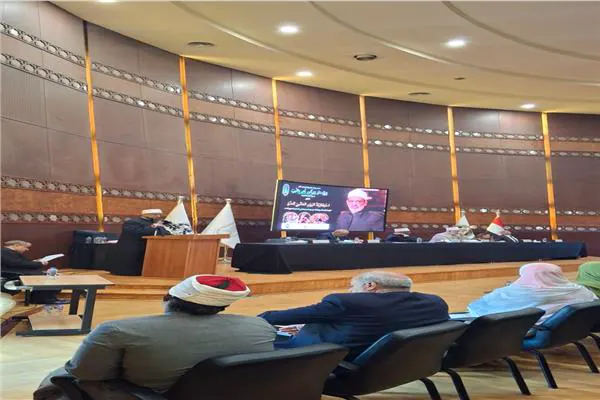
Dr. Muhammad Al-Gendy, Secretary-General of Egypt's Islamic Research Complex, has stated that caring for the rights of the deaf is a human, moral, and societal responsibility. He made these remarks during a ceremony honoring those who completed the first stage of a program aimed at teaching Azhar preachers and female preachers sign language. The program saw 53 participants graduate, in line with directives from the Grand Imam, Dr. Ahmed Al-Tayeb.
The program is a collaboration between the Islamic Research Complex, the World Organization of Al-Azhar Graduates, the National Council for Persons with Disabilities, and the Arkan Foundation. Dr. Al-Gendy highlighted that Islamic law emphasizes the value and dignity of human beings, calling for mutual support and compassion. He also stressed that removing obstacles faced by people with disabilities is crucial for their active participation in society.
Learning sign language, according to Dr. Al-Gendy, reflects a development in tools for religious communication and demonstrates Al-Azhar's commitment to reaching all segments of society without barriers. He pointed out that communicating with the deaf is not just about acquiring a new skill but also about respecting and valuing human needs, including the right to knowledge, understanding, and participation.
Dr. Al-Gendy added that these efforts align with the Egyptian government's orientation towards supporting people with disabilities and promoting their integration into society. He emphasized that religious and educational institutions must be active partners in achieving this vision by developing tools and programs that cater to the needs of various groups.
The Secretary-General noted that a preacher's role is based on mercy, humanity, and good communication. He stated that possessing suitable communication tools enables preachers to perform their duties more effectively and inclusively. Dr. Al-Gendy also stressed the importance of continued cooperation among participating institutions and the development of future program stages.
This cooperation aims to prepare Azhar cadres capable of communicating with the deaf in a language they understand, thereby feeling valued and included. Dr. Al-Gendy reiterated that Islamic law does not consider differences in abilities as a reason for isolation or marginalization. Instead, it establishes values and principles that preserve human dignity and promote societal participation.
The initiative is part of broader efforts to enhance inclusivity and support for people with disabilities in Egypt. By working together, various institutions aim to create a more accessible and compassionate society. The program's success will be measured by its impact on the deaf community and its contribution to fostering greater understanding and integration.
Key points
- The Islamic Research Complex is working to support the deaf community through education and inclusivity initiatives.
- The program aims to equip Azhar preachers and female preachers with sign language skills to better serve the deaf community.
- The initiative aligns with the Egyptian government's efforts to promote disability rights and societal integration.