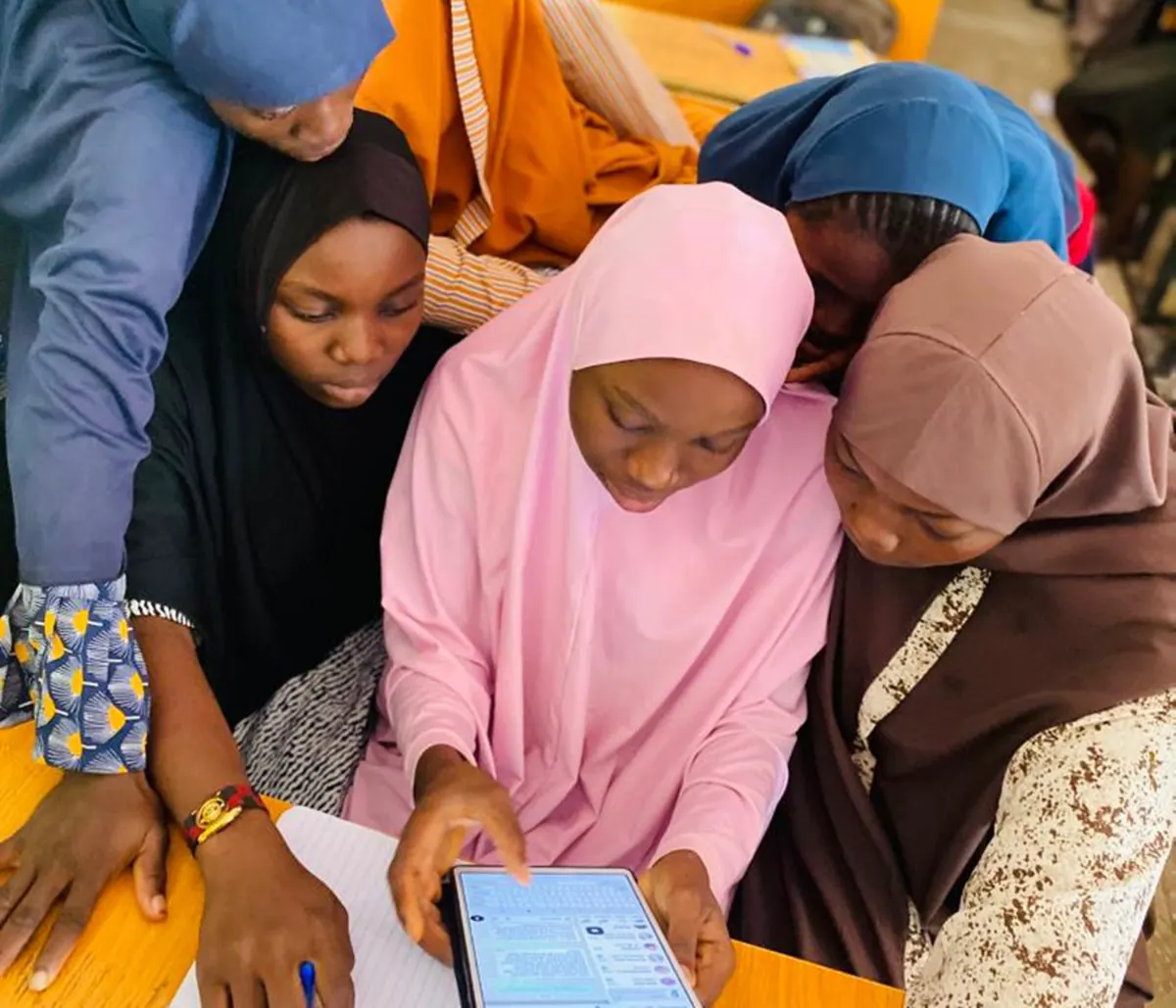
As Nigeria marks 66 years of independence, a graduate student in the Faculty of Islamic Studies at Universitas Islam Internasional Indonesia, KEWULERE Adam Olasunkanmi, has called for a rethink of Islamic education in the country. He argues that the current system must adapt to the digital age to effectively shape the nation's moral and intellectual life. Islamic education has traditionally played a significant role in Nigeria, fostering character, discipline, and responsibility.
However, with the rise of digital platforms, young people are increasingly learning and forming opinions online. This shift presents both opportunities and risks, as access to Islamic learning has grown exponentially, but misinformation and shallow interpretations are also prevalent. The situation demands a reevaluation of Islamic education to ensure it equips learners to navigate the digital world responsibly.
KEWULERE emphasizes that moral education is no longer sufficient without being connected to social realities that influence daily life. Islamic education must directly engage with the digital world, integrating ethical formation with digital literacy. This includes teaching students to critically evaluate online information, verify sources, and participate responsibly in online environments.
The expert also advocates for a revised curriculum that incorporates critical media awareness, ethical technology use, and practical skills to prepare students for a rapidly changing world. This approach would extend traditional Islamic education methods, rather than abandoning them. By combining traditional knowledge with modern skills, Islamic education can produce learners who are both ethically rooted and digitally conscious.
KEWULERE stresses that nation-building in the digital age requires more than just access to knowledge; it demands direction, accountability, and robust values that can withstand rapid change. Islamic education can play a vital role in shaping Nigeria's future by producing individuals who are morally grounded, critically aware, and responsible in their use of technology.
The goal of Islamic education should not be solely to produce a more connected generation but one that is also conscientious and responsible. By reimagining Islamic education, Nigeria can forge ahead with wisdom, integrity, and a renewed commitment to building a nation that is both connected and morally grounded.
KEWULERE's call for reform highlights the need for Islamic education to evolve in response to the challenges of the digital age. By engaging with the realities of the modern world, Islamic education can help shape a brighter future for Nigeria, one that is characterized by wisdom, integrity, and a strong moral foundation.
Key points
- Islamic education must integrate digital literacy with ethical formation to equip learners for responsible online engagement.
- A revised curriculum incorporating critical media awareness and practical skills is necessary for preparing students for a rapidly changing world.
- Islamic education can play a vital role in shaping Nigeria's future by producing individuals who are both ethically rooted and digitally conscious.