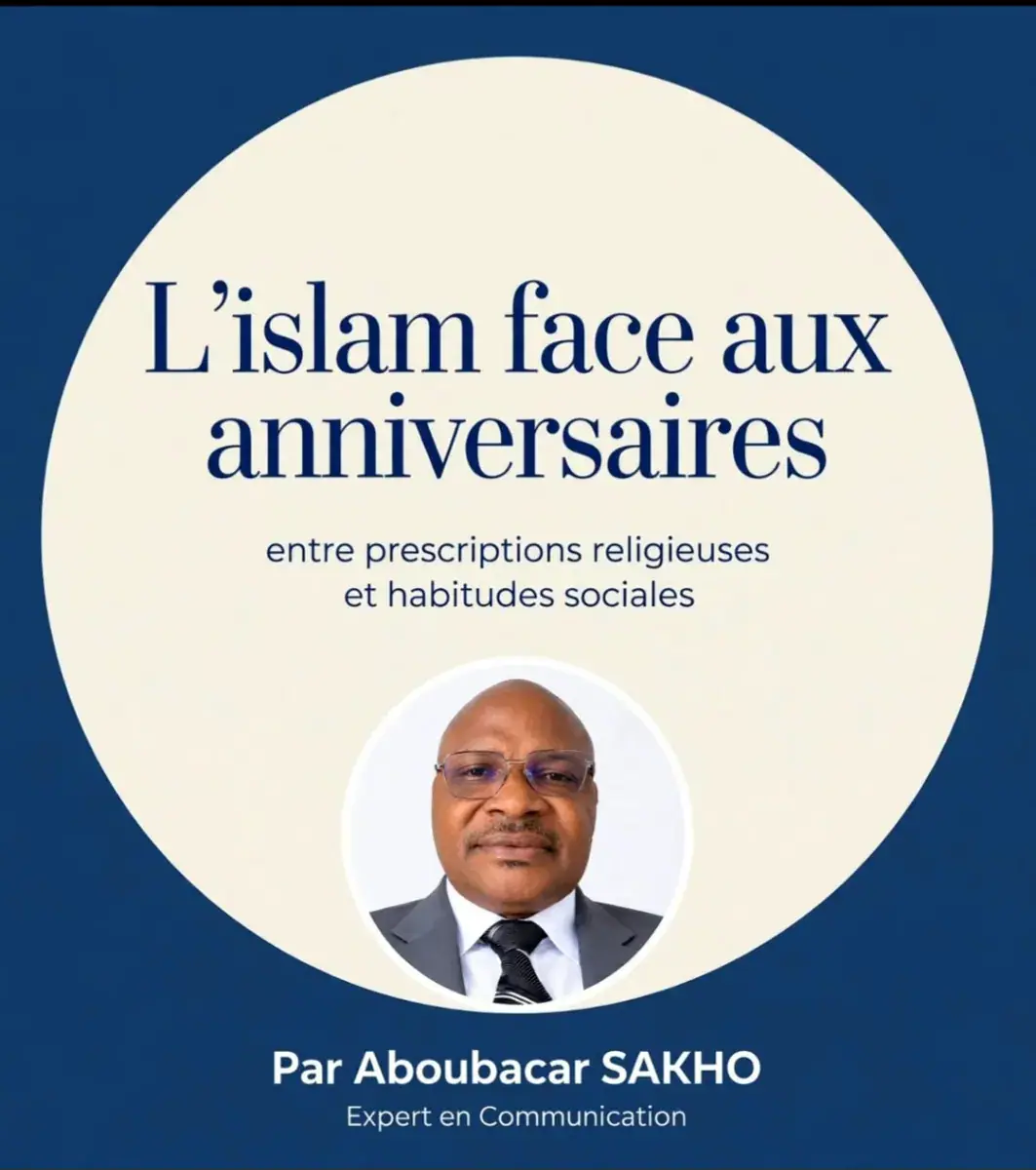
Every year, millions of people globally celebrate their birthdays with cakes, candles, gifts, and family gatherings. However, for Muslims, this practice raises a question: is it compatible with Islamic teachings? This issue has sparked long-standing debates within the Muslim community, with varying interpretations among religious authorities. Some view birthday celebrations as a foreign practice to Islamic tradition, while others see it as a simple social custom with no particular religious significance.
Those who oppose birthday celebrations argue that it is not mentioned in the practices of Prophet Muhammad and his companions. They emphasize that Islam recognizes only two major religious festivals: Eid al-Fitr and Eid al-Adha. Introducing other regular celebrations could be considered an innovation, known as "bida." On the other hand, some authorities adopt a more flexible approach, distinguishing between religious practices and social habits that evolve over time.
According to this perspective, celebrating a birthday is not necessarily an act of worship or a religious innovation. A family meal, a gesture of affection, a gift, or a congratulatory message can simply express human and family relationships, as long as they do not involve behaviors prohibited by Islam. This view allows for a more nuanced understanding of birthday celebrations, focusing on their social and cultural significance.
Beyond the controversy, another aspect deserves attention: the meaning Muslims give to the passage of time. An additional year is not just a reason for joy but also an opportunity for reflection on one's journey, actions, and responsibilities. The Quran encourages gratitude, stating that if people are thankful, God will increase His blessings. This exhortation invites believers to appreciate the gift of life and its benefits.
Some Muslims use their birthdays to multiply their invocations, thank God, seek protection, and ask for health, blessings, and a stronger faith. Others choose to make a donation or support those in need. These approaches give the birthday a spiritual and solidarity dimension, demonstrating that the celebration can be a meaningful and positive experience for Muslims.
It is essential to approach this issue with discernment, respect, and tolerance, avoiding judgment or division among Muslims. Those who choose not to celebrate their birthday should be respected, as should those who see it as a simple family gathering without attributing particular religious value. The debate on birthdays reveals a deeper question: the distinction between religion, culture, and social practices.
Ultimately, for Muslims, preserving their faith, cultivating gratitude towards their Creator, and multiplying good actions are essential. Each year lived is one year less in the time granted on earth, and Muslims should prioritize their spiritual growth and relationship with God. By doing so, they can find meaning and purpose in their celebrations, whether or not they choose to mark their birthdays.
Key points
- The debate on birthday celebrations among Muslims reflects diverse interpretations of Islamic teachings and the distinction between religion, culture, and social practices.