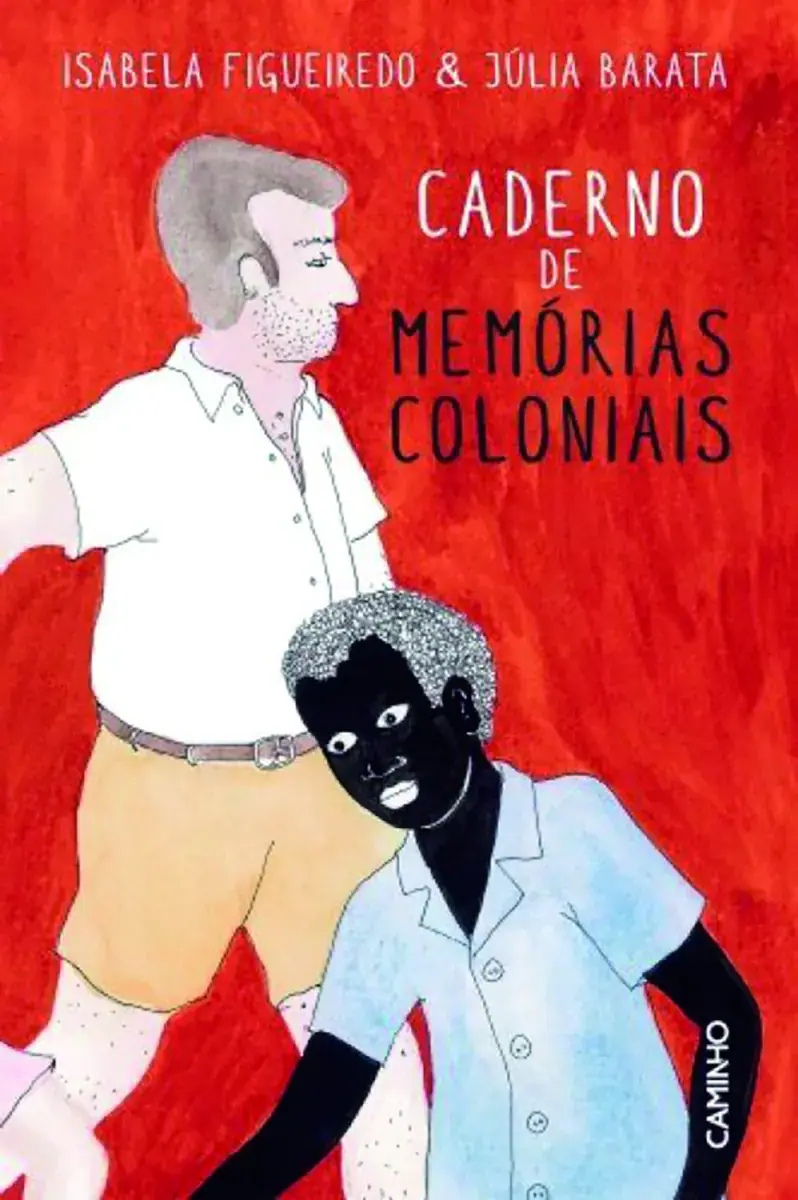
Portuguese writer Isabela Figueiredo has published an illustrated edition of her book Caderno de Memórias Coloniais, which recounts her childhood in Mozambique and the racism she witnessed within her own family. The book, illustrated by Julia Barata, aims to reach a wider audience, including schools, where the original edition's strong language was deemed too difficult to teach. Figueiredo's work is a personal account of her experiences and her relationship with her father, who she loved but was also racist.
Figueiredo's childhood in Mozambique was marked by her father's behavior, which she describes as loving but also racist. She recalls accompanying him to work sites, where she witnessed him mistreating black workers. These experiences shaped her perspective on racism and informed her writing. The original edition of Caderno de Memórias Coloniais was published in 2015 and has since been translated into several languages. The French edition was a finalist for the Prémio Femina Estrangeiro.
The idea for an illustrated edition of the book came about after Figueiredo received feedback from teachers who wanted to use the book in their classrooms but found the language too strong. Figueiredo wanted to make the book more accessible to a wider audience, including young readers. The illustrated edition maintains the original text but presents it in a more engaging and accessible way. Figueiredo's goal was to reach a broader audience and spark important conversations about racism and colonialism.
Figueiredo's relationship with her father is a central theme in her work. She describes him as a complex figure who she loved but also felt ashamed of due to his racist behavior. Figueiredo's writing is a way of processing her experiences and coming to terms with her feelings. Her work is also a tribute to her father, who she feels has had a lasting impact on her life. Figueiredo's experiences have shaped her perspective on Portugal and her identity as a Mozambican.
Figueiredo's next book will explore the experiences of people who have left colonialism and their relationships with Portugal. The book will consist of three novellas that delve into themes of decolonization and identity. Figueiredo's work continues to be influenced by her experiences in Mozambique and her connection to Africa. She feels a strong sense of responsibility to address these issues through her writing.
Isabela Figueiredo was born in 1963 in what is now Maputo, Mozambique, to Portuguese parents. She moved to Portugal in 1975 after Mozambique gained independence. Figueiredo has worked as a teacher and journalist and has published several books, including Conto É Como Quem Diz and A Gorda, which won the Prémio Literário Urbano Tavares Rodrigues.
Figueiredo's work has been widely recognized, and her books have been translated into several languages. Her writing often explores themes of identity, colonialism, and social justice. Through her work, Figueiredo aims to spark important conversations and raise awareness about these issues. Her latest book is a testament to her commitment to sharing her experiences and perspectives with a wider audience.
Key points
- Isabela Figueiredo's illustrated book Caderno de Memórias Coloniais tackles racism and childhood in Mozambique.
- The book is a personal account of Figueiredo's experiences and her relationship with her father, who she loved but was also racist.
- Figueiredo's work continues to explore themes of decolonization and identity in her upcoming book.
Reporting sources
- Isabela Figueiredo leva memórias coloniais a novos leitores · Expresso das Ilhas