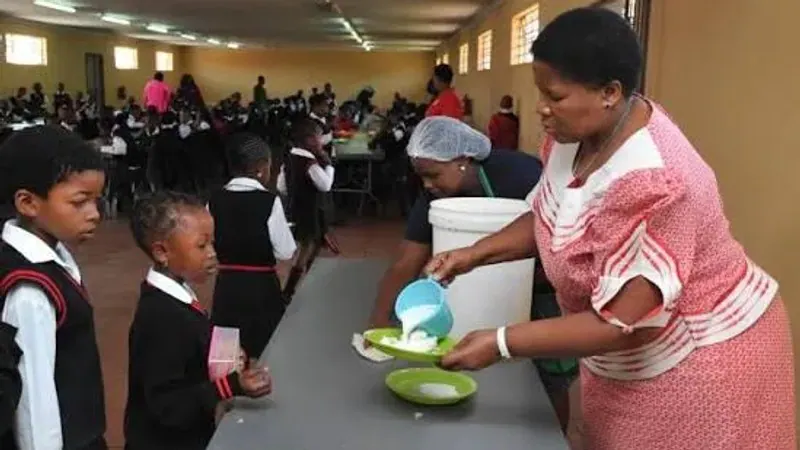
South Africa's National School Nutrition Programme (NSNP) is one of the country's most important social programmes, supporting almost 10 million children daily. Despite being backed by billions of rands and decades of experience, the programme faces challenges in monitoring and evaluation. The issue is not whether inspections, reporting, and compliance systems are necessary, but whether they are sufficient for a programme of this scale. The NSNP requires a more proactive approach to identify problems early and intervene.
A recent investigation found that 8,504 schools across seven provinces participating in the NSNP were operating without Certificates of Acceptability. This highlights the need for better monitoring and evaluation. The absence of these certificates reveals a larger issue with programme oversight. With 10 million children relying on the programme daily, it's crucial to have systems that allow for real-time monitoring and early intervention. This would enable programme managers to identify patterns and address problems before they escalate.
Research conducted by the Centre for Social Development in Africa and the Food Evolution Research Centre at the University of Johannesburg provides insight into the programme's impact on children. The study involved 182 children aged 10-12 across four provinces and explored their experiences with school nutrition during and after the COVID-19 pandemic. The children reported that school meals gave them energy and helped them concentrate in class. However, some described smaller portions, reduced variety, and changes in food quality.
The nutritional analysis of the NSNP lunch meals was also revealing. Most meals assessed did not meet the intended 25-30% contribution to children's recommended daily intake for most macro- and micronutrients. Despite this, the research found positive outcomes associated with the programme, including improved attendance, punctuality, and alertness. This distinction matters, as it highlights that a programme can be valuable to children while still not delivering its full nutritional potential.
Brazil's National School Feeding Programme (PNAE) offers an example of a more integrated approach to monitoring and evaluation. The programme, which serves over 40 million children across 150,000 public schools, brings together information about schools, financial transfers, nutritionists, school-feeding councils, accountability, and on-site monitoring. This approach enables the programme to consider structural conditions, including school infrastructure and the presence of qualified technical nutritionists.
The value of Brazil's approach lies in its ability to bring together different kinds of information to create a clearer picture of what is happening on the ground. This allows for more effective monitoring and evaluation, enabling programme managers to identify areas for improvement. South Africa's NSNP can learn from this example and leverage technology to enhance its monitoring and evaluation.
By adopting a more integrated approach, the NSNP can better understand the conditions that determine whether meals are safe, nutritious, and reach children as intended. This would enable programme managers to make data-driven decisions and improve the overall effectiveness of the programme. Ultimately, the goal is to ensure that the NSNP delivers its full potential and provides children with the nutrition they need to succeed.
Key points
- The National School Nutrition Programme feeds 10 million children daily, but faces challenges in monitoring and evaluation.
- A recent investigation found that 8,504 schools were operating without Certificates of Acceptability, highlighting the need for better oversight.
- Brazil's National School Feeding Programme offers an example of a more integrated approach to monitoring and evaluation, which South Africa's NSNP can learn from.