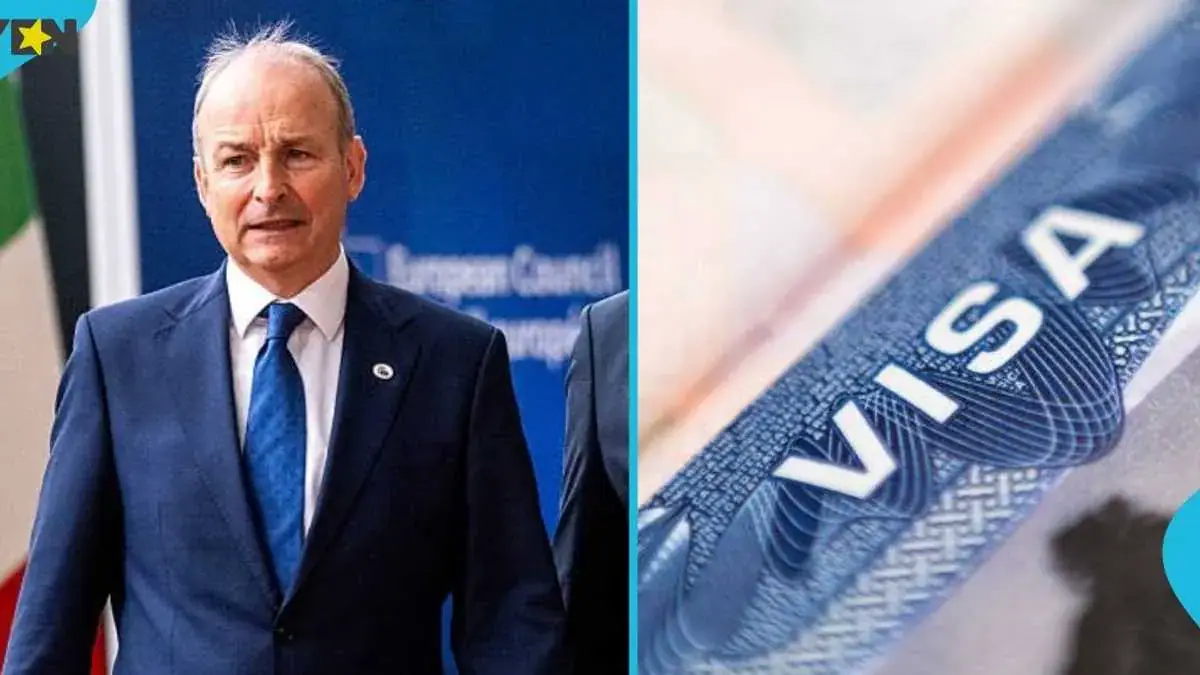
Ireland has identified eight categories of foreign nationals whose spouses, civil partners, de facto partners, and children are entitled to work in the country without obtaining a separate employment permit. This provision is part of Ireland's Non-EEA Family Reunification Policy, which allows qualifying family members of certain workers, residents, and protected persons to take up paid employment immediately upon joining their sponsor in the country.
The eight categories of foreign nationals whose families benefit from this provision include Irish citizens, holders of Critical Skills Employment Permits, holders of General Employment Permits, researchers working under a Hosting Agreement, foreign workers on Intra-Corporate Transfer permits, entrepreneurs under the Start-up Entrepreneur Programme, investors under the Immigrant Investor Programme, and refugees and beneficiaries of subsidiary protection who qualify under the policy.
Family members eligible to work under the scheme include spouses, civil partners, de facto partners, and minor children between the ages of 16 and 18. To access this right, those family members must still satisfy the conditions set out under the family reunification policy itself. This provision is particularly relevant to Nigerians and other Africans who have settled in Ireland through skilled employment visas or as protected persons.
The policy effectively removes an administrative barrier that might otherwise delay a family member's ability to earn an income, particularly during the initial period of resettlement in the country. Under this arrangement, their family members can begin contributing economically from the moment they arrive, without the burden of a separate permit application.
The Critical Skills Employment Permit, one of the categories listed, is designed to attract highly qualified professionals in sectors where Ireland faces labour shortages, making it a common pathway for African migrants entering the Irish workforce. Refugees and those granted subsidiary protection are also explicitly included, reflecting Ireland's commitment to integrating protected persons and their families into the labour market.
This policy update comes on the heels of Ireland's decision to add six occupations to its Critical Skills Occupation List, expanding eligibility for work permits across sectors including agriculture, construction, and healthcare. Permit holders can apply for long-term residency and bring dependants to Ireland, making the newly recognised roles a potential pathway for skilled workers seeking to relocate.
The new policy is expected to have a positive impact on the lives of many foreign nationals living in Ireland, including those from Ghana and other African countries. By allowing family members to work without a permit, the Irish government aims to facilitate their integration into the labour market and promote economic stability for these families.
Key points
- The policy applies to spouses, civil partners, de facto partners, and children aged 16 to 18 of qualifying sponsors in Ireland.
- The eight categories of foreign nationals whose families benefit from this provision include Irish citizens, holders of Critical Skills Employment Permits, and refugees.
- The policy effectively removes an administrative barrier that might otherwise delay a family member's ability to earn an income.