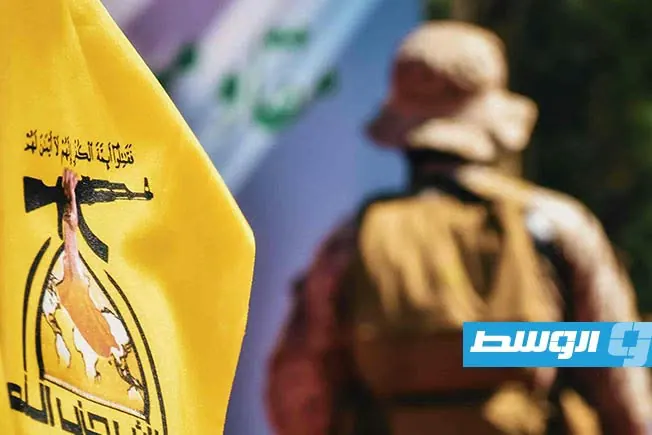
Iraqi factions have stated they are not bound by any timeline or agreement to surrender their weapons. This comes amid government efforts to reach an understanding with them, under increasing US pressure. The military spokesperson for Kata'ib Hezbollah, Jafar al-Husseini, announced at a ceremony marking the end of the international coalition's mission to combat jihadists that they have been in negotiations for over 40 days to organize the resistance's weapons.
Al-Husseini stated that the Islamic Resistance reserves the right to directly respond to any US or Zionist violation of Iraq's sovereignty. He added that the Iraqi government's response to their negotiations has not been received. The factions' stance comes as the US continues to push for disarmament. The Iraqi government had set a deadline of September 30 for the factions to hand over their weapons, coinciding with the end of the international coalition's mission.
Iraqi Prime Minister Ali Al-Zadi announced the start of a new phase for Iraq, focusing on sovereignty, strong institutions, and a unified decision-making process. He emphasized that cooperation with international coalition countries will continue but will be more effective and focused. The US Department of Defense confirmed the official end of the international coalition's mission in Iraq, following the withdrawal of its forces from a base in Erbil.
The international coalition's mission in Iraq lasted for 12 years, aimed at combating ISIS. With its withdrawal, the Iraqi government is keen to demonstrate its ability to prevent the resurgence of extremist groups. The relationship between Iraq and coalition countries is expected to shift towards security partnerships. The Iraqi government views the coalition's departure as an opportunity to assert its control over the country's security.
The Iraqi government had previously set a deadline for factions to hand over their weapons, but it was later postponed. Some factions have begun to surrender their arms, while others, with close ties to Iran, remain resistant. The government's efforts to regulate the possession of weapons by factions have been ongoing, with varying degrees of success.
The US has been actively involved in promoting the disarmament of Iraqi factions. The Pentagon's announcement of the coalition's withdrawal from Iraq marks a significant shift in the country's security landscape. The Iraqi government's ability to manage the security situation and prevent the resurgence of extremist groups will be closely watched.
The situation in Iraq remains complex, with ongoing negotiations between the government and factions. The government's commitment to asserting its control over the country's security and the factions' refusal to commit to a timeline for disarmament are key factors in the current situation. The international community will be monitoring developments in Iraq closely.
Key points
- Iraqi factions refuse to commit to timeline for weapon handover
- Government efforts to regulate possession of weapons by factions ongoing
- US continues to push for disarmament of Iraqi factions