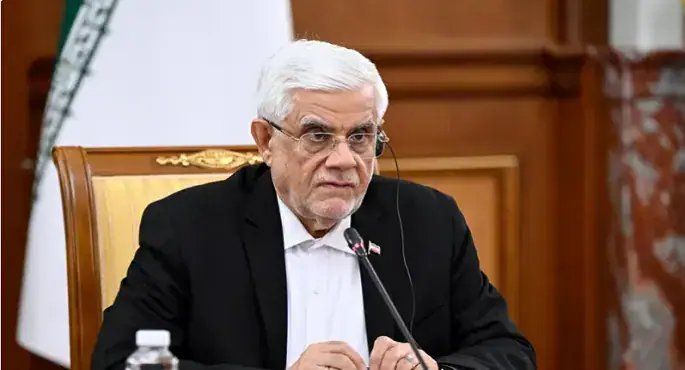
Iranian Vice President Mohammad Reza Aref has downplayed the impact of the US naval blockade on the country. Despite severe economic pressure, Aref stated that Iran does not feel anxious about the blockade. He cited a significant increase in the clearance of essential goods through northern border crossings, which he said sends a message that Iran is not concerned about the blockade.
Aref made these comments during a meeting of the Market Regulation Committee. He also mentioned that the country's stockpiles of essential and strategic goods are in good condition, and markets are experiencing a surge in supply. This suggests that Tehran is prepared to face the consequences of potential restrictions on maritime navigation and trade through southern ports.
The vice president urged the implementation of a mechanism to prevent price increases of essential goods for at least three months. He emphasized the need to control prices and maintain market stability. Aref's statements come as the Iranian currency, the rial, has reached a new low against the US dollar, amid the country's economic struggles and reduced oil revenues due to the US-led economic blockade.
Iran relies heavily on oil and petrochemical product exports for foreign revenue. The blockade and Western sanctions have reduced these exports, increased financial transfer costs, and complicated the repatriation of foreign earnings. This has led to a decline in the actual supply of foreign currency in the market. The situation worsened with the launch of the US Treasury's "economic exclusion" process in August 2026.
The economic pressures have mounted amid disturbances in energy export routes due to the naval blockade. Aref's comments contrast with those of President Masoud Pezeshkian, who previously acknowledged the effects of sanctions and blockades on the country. The Iranian government's mixed messages on the economic situation have sparked interest among analysts and observers.
The blockade has had significant effects on Iran's economy, including reduced oil exports and increased inflation. The rial's depreciation has made it challenging for Iranians to afford basic goods. The government's efforts to stabilize the economy and control prices are being closely watched by the public and international community.
The situation remains uncertain, with many factors influencing the outcome. The Iranian government's response to the economic challenges will likely have far-reaching consequences for the country and its people. The international community continues to monitor developments, with many calling for an easing of tensions and a return to diplomatic negotiations.
Key points
- Iran's vice president has downplayed the impact of the US naval blockade on the country's economy.
- The Iranian currency has reached a new low against the US dollar amid economic struggles.
- The blockade has reduced Iran's oil exports and increased financial transfer costs.