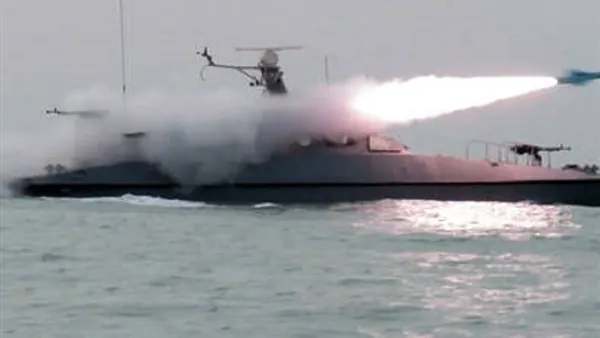
The Iranian Revolutionary Guard Corps (IRGC) has issued warnings regarding potential attacks on Iran, vowing to alter the dynamics of war through a new defensive and offensive strategy. They claim to possess "targets that do not cross the enemy's mind" and plan to introduce new, precise weapons into combat. This announcement comes amid rising tensions in the region.
According to the IRGC, any new confrontation would prompt them to take measures that would "change the geography of war." They also pointed to the failure of the United States to achieve its war objectives, specifically citing the inability to reopen the Strait of Hormuz despite utilizing all available tools and resources. The IRGC views Israel as a partner in this perceived defeat.
The IRGC emphasized its commitment to the principle of good neighborliness with regional countries, asserting that recent operations targeted American bases, not neighboring states. They questioned the stance of neighboring countries on allowing the use of their bases by the United States. Iran differentiates between its rivalry with Washington and Israel and its relationships with regional neighbors.
In regional affairs, the IRGC stated that American and Israeli pressures would not eliminate Hezbollah but would instead enhance its defensive capabilities. They also believe that Yemen will continue to influence regional dynamics. The IRGC emphasized that its tasks are military in nature and do not include diplomatic matters, which fall under the purview of Iran's Ministry of Foreign Affairs.
The IRGC's statements reflect a broader strategy to counter perceived threats from the United States and Israel. By developing new weapons and targeting capabilities, Iran aims to bolster its deterrence and response capabilities in the region. This approach suggests a potential escalation of tensions between Iran and its adversaries.
The Strait of Hormuz, a critical waterway for global oil shipments, remains a focal point of contention. The IRGC's assertions about changing the geography of war and introducing new weapons into combat underscore the potential for conflict in this strategically vital region. Diplomatic efforts to de-escalate tensions appear to face significant challenges.
As regional dynamics continue to evolve, the IRGC's warnings and strategic assertions highlight the complex interplay of military and diplomatic factors. The involvement of Hezbollah and the situation in Yemen add layers of complexity to an already volatile situation. The international community watches closely, concerned about the potential for wider conflict.
Key points
- The IRGC plans to introduce new, precise weapons into combat.
- Iran views recent pressures as enhancing Hezbollah's defensive capabilities.
- The Strait of Hormuz remains a critical point of contention between Iran and its adversaries.