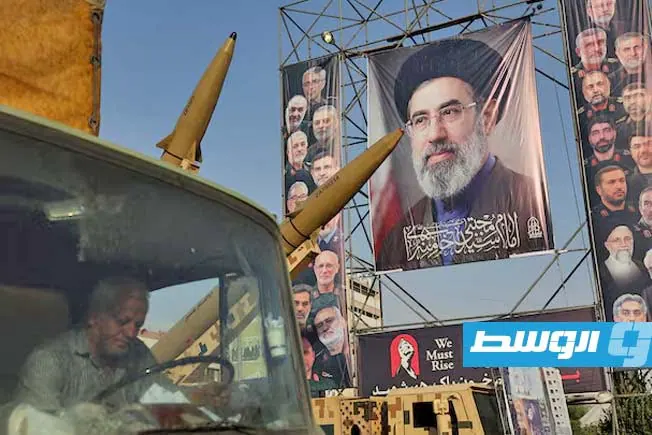
The Iranian Army has announced plans to increase the range of its missiles in response to the presence of US forces within 1,000 kilometers of its coastline. According to Mohammad Akrami Nia, the army's spokesperson, the decision was made in light of the recent war with the United States. The move is aimed at enhancing Iran's military capabilities and deterrence.
The announcement comes as Iran's parliament speaker, Mohammad Bagher Ghalibaf, stated that the Strait of Hormuz will not be reopened unless Iran's seven conditions, as outlined in a provisional agreement with the US, are met. The conditions are based on a memorandum of understanding signed in Islamabad. Ghalibaf emphasized that Iran's stance is clear and that the era of procrastination and unilateral demands has ended.
The Iranian Army's decision to increase its missile range is seen as a significant development in the region. The move is likely to escalate tensions between Iran and the US, which have been engaged in a series of diplomatic efforts to revive the 2015 nuclear deal. The agreement has been stalled since the US withdrew from it in 2018.
According to Akrami Nia, the Iranian Army has already begun taking steps to increase the range of its missiles. The move is expected to have significant implications for regional security and stability. Iran's military capabilities have been a major concern for the US and its allies in the region.
The Strait of Hormuz, a critical waterway for global oil exports, has been a point of contention between Iran and the US. The Iranian Navy has been involved in several incidents in the region, including the seizure of oil tankers. The situation remains volatile, with both sides engaging in a war of words.
The Iranian government's stance on the Strait of Hormuz and its missile program has been clear: it will not compromise on its sovereignty and national security. The country's leaders have emphasized that they will not be pressured into making concessions that could undermine their military capabilities.
The developments in Iran's military capabilities and its stance on the Strait of Hormuz have significant implications for regional and global security. The situation remains fluid, with both Iran and the US engaging in diplomatic efforts to find a solution to the crisis. The international community remains concerned about the potential for escalation and its consequences.
Key points
- Iran's army plans to increase the range of its missiles in response to US military presence in the region.
- The Strait of Hormuz will not be reopened unless Iran's seven conditions are met.
- The developments have significant implications for regional and global security.