The United States recently reimposed a blockade on Iranian oil exports, which had been temporarily lifted in June following a preliminary agreement between Washington and Tehran. The blockade was reinstated on July 14 after the agreement failed to materialize. Iranian officials have strongly condemned the move, with Esmaeil Baghaei stating that his country will not tolerate the blockade and will use all available means to counter this "American aggression".
According to Esmaeil Baghaei, the blockade is considered a military aggression, and Iran has the right to defend itself using all means at its disposal. The Iranian government has been vocal about its opposition to the blockade, which has significantly impacted the country's oil exports. In recent months, visible exports of Iranian crude oil have dwindled to almost zero due to the US restrictions.
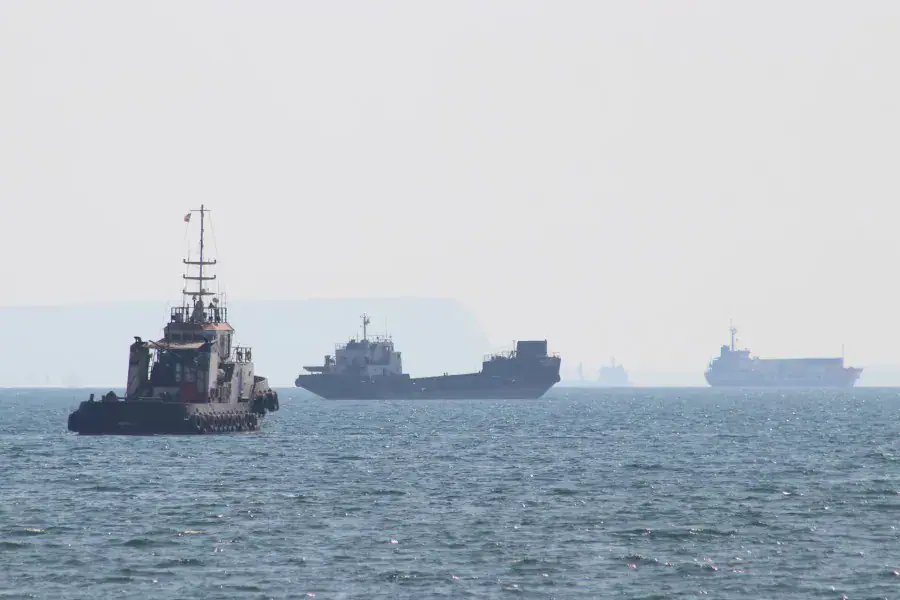
Despite reports suggesting that Iranian oil tankers are loading cargo in the Gulf, Esmaeil Baghaei dismissed these claims as speculation. However, a maritime tracking website, TankerTrackers.com, reported last week that an oil tanker loaded with Iranian crude in the Gulf could become the first vessel to successfully export oil from the country since July.
The Iranian government has long maintained that it controls the strategic Strait of Hormuz, a critical waterway for global oil exports. Tehran has threatened to block the passage unless its conditions are met, including an end to hostilities, lifting of the blockade, and suspension of sanctions. The Strait of Hormuz is a vital shipping lane, and any disruption to oil flows could have significant implications for global energy markets.
The Iranian Foreign Ministry has stated that if the US meets its conditions, Tehran will be able to honor its commitments promptly. The ministry's spokesperson emphasized that Iran is willing to resume normal operations at the Strait of Hormuz once the blockade is lifted and sanctions are suspended. This development has added to tensions between the US and Iran, which have been locked in a long-standing dispute over Tehran's nuclear program and oil exports.
The blockade has had a significant impact on Iran's economy, which is heavily reliant on oil exports. The country's oil exports have been a crucial source of revenue, and the US restrictions have severely limited Tehran's ability to sell its oil on the global market. The Iranian government has been seeking to find alternative ways to export its oil, but so far, it has had limited success.
The situation remains fluid, with both sides seemingly unwilling to compromise. The US has maintained that its sanctions are aimed at curbing Iran's nuclear ambitions, while Tehran has insisted that its nuclear program is for peaceful purposes. As the standoff continues, the global energy market remains on edge, aware that any escalation could have far-reaching consequences for oil supplies and prices.
Key points
- Iran vows to use all means to counter US blockade on oil exports.
Reporting sources
- L'Iran utilisera tous les moyens à sa... · Maliweb.net