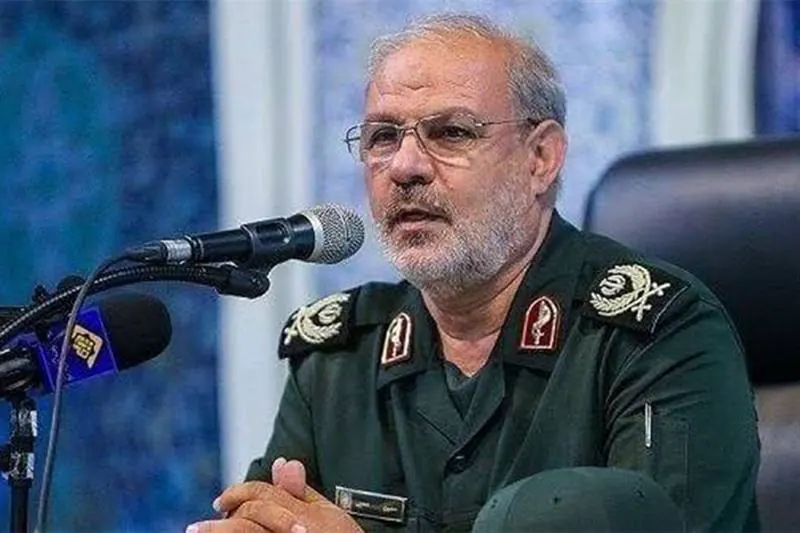
Iranian Revolutionary Guards spokesman Hossein Mohebi stated on Tuesday that Tehran had toughened its conditions for ending the war with the United States after the collapse of a June deal. The deal, which aimed to end hostilities, included Iranian demands on the lifting of US oil sanctions, removing the naval blockade on Iranian ports, unfreezing Iranian assets abroad, and ending the war on all fronts, including Lebanon.
Mohebi told AFP in a rare interview in Tehran that Iran had since toughened its demands, including seeking the release of the full $24 billion in frozen Iranian assets up front before negotiations, rather than in stages. He added that the US had "no choice" but to accept Iran's conditions. The issue of Yemen was not initially on the agenda of the previous agreement, but Iran is now demanding that the lifting of the blockade on Yemen be included in the agreement.
The war has had significant impacts on global energy shipments, with sporadic attacks mainly near the Strait of Hormuz, a vital artery for global energy shipments, dimming prospects for peace. Since the war erupted, Iran has required vessels transiting Hormuz to coordinate with its authorities, while Gulf states have sought alternative routes to bypass the waterway. Mohebi noted that the strait was also a vital conduit for other essential products such as fertilisers.
Recently, the US has shifted toward a campaign of what it calls "economic asphyxiation" of Iran, targeting foreign banks over alleged links with Tehran, and announcing tighter sanctions on Iranian airlines and threatening secondary measures against companies servicing them. Mohebi warned that Tehran would step up its response if the United States launched new attacks on the Islamic republic.
Mohebi confirmed that the United States had tried to establish contact with the Guards, but said they had rebuffed the effort. He stated that diplomacy was handled by Iran's foreign ministry, and that dealings with the enemy were conducted solely through arms.
The Iranian Revolutionary Guards spokesman further warned that if the US persisted with its current course, "they will only make things difficult for themselves". He also stated that if the US acted recklessly, Iran's resistance would undoubtedly intensify, and that this time, Iran would not merely retaliate but adopt an offensive posture.
The situation in Yemen has also escalated, with the Houthis seizing control of areas around the strategic Bab al-Mandab Strait, posing a threat to shipping there, while also declaring a maritime blockade on Saudi ports. Mohebi's statements come as the summer of heightened tensions continues, with various global leaders discussing efforts to reduce tensions and end the Gaza war.
Key points
- Iran has toughened its conditions for ending the war with the US.
- The US has shifted toward a campaign of "economic asphyxiation" of Iran.
- Iran has warned that it will adopt an offensive posture if the US launches new attacks.