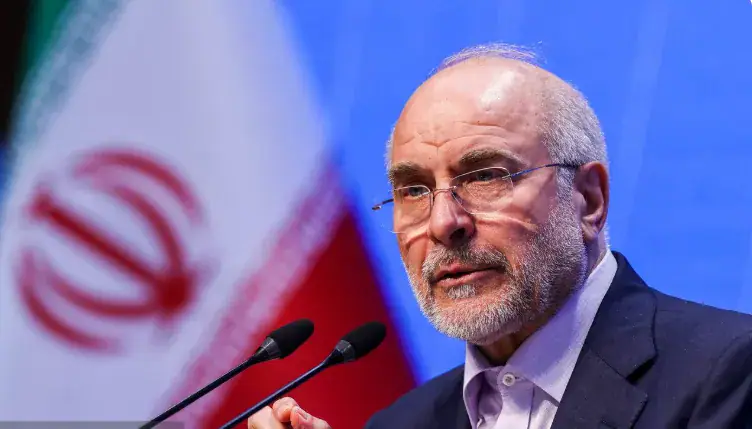
Iran's parliament speaker Mohammad Bagher Ghalibaf stated that Tehran will not enter negotiations with the United States until Washington meets seven conditions set by Iran. He warned the US and its allies against taking actions that Tehran considers a threat to its national interests and security. Ghalibaf said Iran was prepared to deliver a decisive response to any hostile move. His comments come amid heightened regional tensions and concerns that a breakdown in diplomatic efforts could lead to renewed fighting.
Ghalibaf cautioned that any miscalculation by Iran's adversaries could expand the conflict beyond its current scope, potentially drawing other areas of the region into the confrontation. He emphasized that Iran would neither take further action nor enter negotiations before its demands were fulfilled. According to remarks reported by Iran International, Ghalibaf warned the US and its allies against underestimating Iran's military capabilities or taking actions that threaten its national interests and security.
Iran's demands include an end to military operations against the country and its regional allies, particularly in Lebanon, where fighting involving Israel and Hezbollah has formed part of the wider confrontation. Tehran is also demanding that Washington lift economic sanctions, release Iranian assets frozen in foreign banks, and end its naval blockade of Iranian ports. These demands are part of a broader set of conditions that Iran has set for resuming negotiations with the US.
Iran has further called for compensation for damage caused by military attacks and guarantees that the US will not launch future strikes against the country. Another major demand concerns the Strait of Hormuz, a strategic waterway through which a significant share of global oil shipments passes. Iran wants a greater role in managing maritime traffic through the strait, including a new system for regulating shipping routes.
However, Iran has not published an official document containing all seven conditions. The list has been reconstructed from statements by different Iranian officials, whose descriptions of the demands have varied. Ghalibaf, who also leads Iran's negotiating team, previously said Tehran had sent its proposals to Washington through Qatari mediation and was awaiting an official response.
The US has maintained pressure on Tehran through economic and military measures, while Washington has insisted that Iran's nuclear program must be addressed in any negotiations. The two sides remain divided over the conditions for reaching a broader agreement. Ghalibaf said an agreement remained possible if the US honored its commitments and avoided what Iran considers excessive demands.
Iran's leadership has repeatedly said it does not want an indefinite state of neither war nor peace but insists that any diplomatic settlement must address its security and economic demands. The dispute comes amid heightened regional tensions, and concerns that a breakdown in diplomatic efforts could lead to renewed fighting. The Strait of Hormuz remains a central point of contention, with Iran seeking to change the arrangements governing maritime traffic before reopening the waterway fully.
Key points
- Iran sets seven conditions for US talks, including an end to military operations and lifting of economic sanctions.
- Tehran warns of wider regional conflict if miscalculated by its adversaries.
- The US and Iran remain divided over the conditions for reaching a broader agreement.