Iranian Parliament Speaker Mohammad Baqer Qalibaf stated that the reopening of the Strait of Hormuz is contingent upon the United States meeting seven provisions outlined in a June interim agreement. Qalibaf, Tehran's chief negotiator, revealed that Iran proposed a plan at the United Nations General Assembly that could restore normal maritime traffic through the strategic waterway within seven days if Washington meets the conditions.
The Iranian proposal was responded to by the US through Qatari mediators last week. Qalibaf emphasized that Tehran has adopted a firm position on the issue and will not reopen the strait until the conditions under the June agreement, referred to as the Islamabad Memorandum of Understanding, are fulfilled. He warned Washington against prolonging diplomatic efforts while placing unilateral demands on Tehran.
Iranian Foreign Ministry spokesperson Esmaeil Baghaei stated that Tehran delivered its initial response to Washington through mediators, although further points still need to reach the US side. Baghaei mentioned that the American proposal largely repeats previous US positions, particularly on Iran's nuclear program. He stressed that the priority at this stage is the Strait of Hormuz and that the return of security to the waterway requires concrete steps from Washington.
Baghaei rejected reports that Iran had offered inspections of its nuclear facilities by the UN nuclear watchdog in exchange for sanctions relief. He also stated that Tehran has not entered into negotiations with Washington on the nuclear issue. An official familiar with the talks revealed that the proposal includes a seven-day confidence-building period, seeking to revive an expanded version of the June understanding.
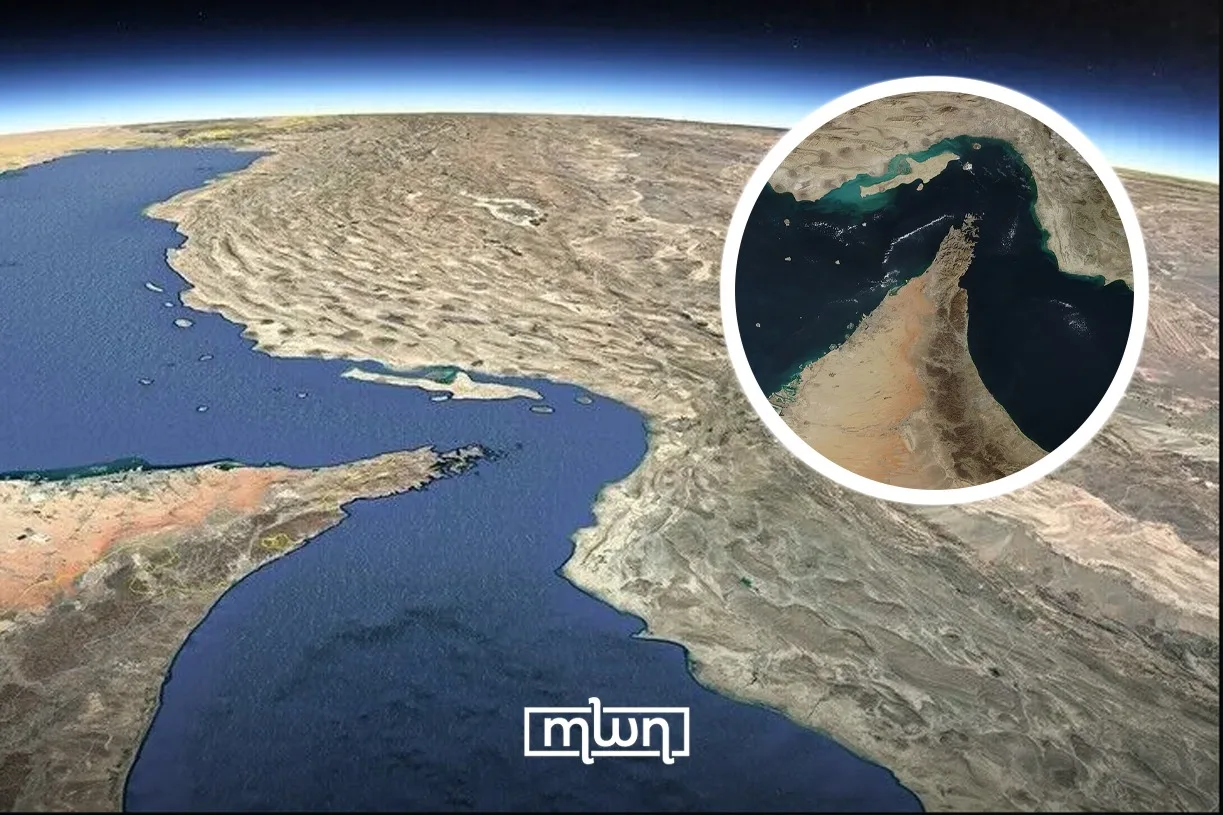
The main dispute appears to concern the order in which the parties would implement the proposed measures rather than the measures themselves. Qatar has acted as an intermediary between Tehran and Washington as diplomatic efforts seek to end the war and restore traffic through the Strait of Hormuz. The waterway holds major importance for global energy markets, with roughly one-fifth of the world's oil and liquefied natural gas shipments passing through the strait before the war.
Iranian Foreign Minister Abbas Araqchi warned that Tehran still prefers a diplomatic solution but will respond if Washington resorts to military action again. He stated that if the US resumes large-scale attacks, Iran is more prepared than before and will take necessary action to defend itself. Iranian Army spokesperson Mohammad Akraminia also announced that the country plans to increase the range of its missiles.
The statements from Iranian officials come as the future of the Strait of Hormuz remains closely tied to the broader diplomatic efforts between Tehran and Washington. The June agreement helped secure a short-lived ceasefire and included provisions on both the waterway and Iran's nuclear program.
Key points
- Iran demands US meet 7 conditions to reopen Strait of Hormuz
- Tehran warns of response to new US attacks
- Qatar acts as intermediary between Tehran and Washington