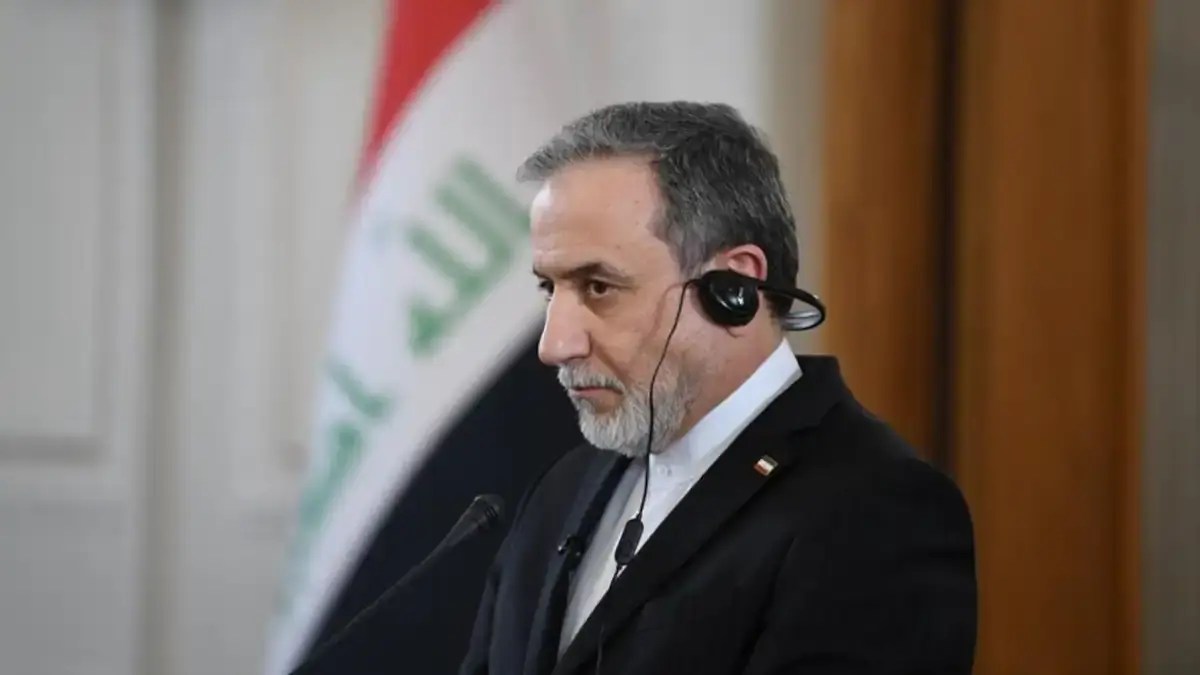
Iran has expressed that it has nothing left to discuss with the United States, nearly nine months into their conflict. On November 15, 2026, Hassan Qashqavi, spokesperson for Iran's parliamentary national security commission, stated that the US had abandoned their agreed-upon deal. Qashqavi emphasized that all topics had been covered in previous discussions, resulting in an agreement signed by both countries' presidents. However, he blames the US for withdrawing from the accord.
According to Qashqavi, Iran has entered a post-negotiation phase. He mentioned that his country had set seven conditions to resolve the situation, which were transmitted to Washington through Qatar. These conditions were announced on September 20 by Mohsen Rezaei, secretary of Iran's Supreme National Security Council. Rezaei stated that the US must first meet Iran's conditions before negotiations can proceed. Although the complete list of conditions remains undisclosed, Iranian officials mention ending the war on all fronts, releasing frozen funds, and lifting the naval blockade.
Qashqavi's comments come after failed talks in Islamabad during the spring and an expired memorandum in August that failed to provide a lasting resolution to the conflict. In October, Qashqavi stated that these conditions were non-negotiable, linking the reopening of the Strait of Hormuz to their full implementation. His November 15 statement reiterates this stance with a firmer tone. The Iranian official emphasized that the diplomatic path remains open, but only if the US agrees to meet their conditions.
The conflict has also raised concerns about Iran's nuclear program. Qashqavi addressed the Treaty on the Non-Proliferation of Nuclear Weapons (NPT) following attacks on Iranian nuclear facilities. He suggested that Iran might consider withdrawing from the treaty, questioning whether it is only applicable during times of peace. Qashqavi warned that a new war could ensue and that countries allowing their territory to be used to strike Iran would be liable for damages.
Qashqavi's statements appear to represent the views of the parliamentary commission rather than the Iranian government. His comments reflect a hardline stance, insisting that the US must meet Iran's conditions before negotiations can resume. The two countries have been engaged in a tense standoff, with no clear resolution in sight. Iran's stance has been consistent, emphasizing that it will not back down until its demands are met.
The situation remains volatile, with the potential for further escalation. Qashqavi warned that if the enemy initiates another war, Iran will be prepared to bring it to an end. He emphasized that any new conflict would not be limited to a few days and that countries involved in any attack on Iran would face consequences. The international community remains concerned about the situation, with many urging restraint and a return to diplomatic negotiations.
The Iranian parliament's national security commission appears to be taking a firm stance on the issue. Qashqavi's comments reflect a broader sentiment within the Iranian government, emphasizing that the country will not be swayed from its position. As the conflict continues, the international community will be watching closely for any developments that could lead to a de-escalation of tensions or further conflict.
Key points
- Iran maintains seven conditions for resolving the conflict with the US
- Qashqavi emphasizes that the US abandoned their agreed-upon deal
- Iran's stance on the NPT is uncertain amid ongoing conflict
Reporting sources
- L'Iran dit n'avoir « plus rien à discuter » avec les États-Unis et maintient ses sept conditions · lanouvelletribune.info