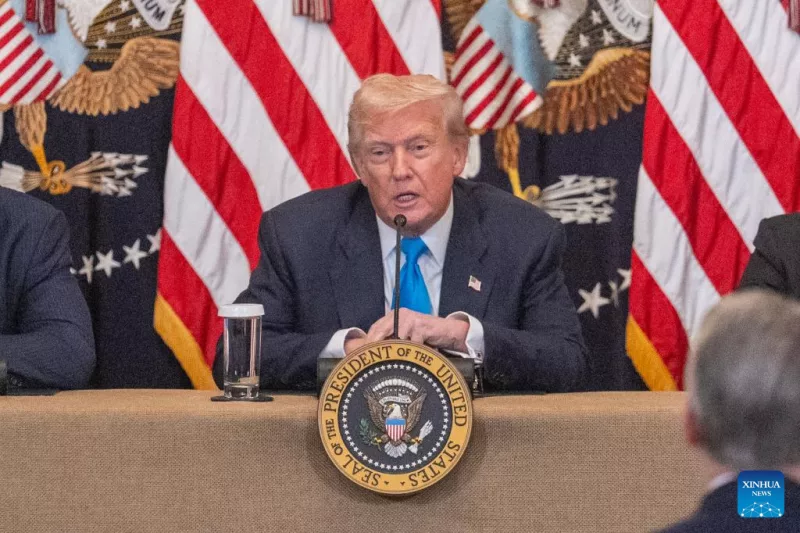
Iran's Foreign Minister Abbas Araghchi announced that they will wait for an official response from US negotiators after President Donald Trump rejected their proposal to reopen the Strait of Hormuz. In a post on Telegram, Araghchi acknowledged Trump's rejection and accused the president of making contradictory statements. This development comes after Trump told reporters at the White House that Tehran's proposal was not "acceptable".
According to Trump, the US wants to make a deal to open the strait immediately because "they're losing so badly". The Strait of Hormuz, a vital waterway through which around a fifth of the world's gas and oil supply usually flows, has been effectively closed since the outbreak of war in February. Iran had raised reopening the strait and ending hostilities during negotiations on the sidelines of the UN General Assembly in New York.
Araghchi stated that an agreement could be reached if "necessary conditions are met" between the two countries. He mentioned that the conditions to open the strait were the same as those included in a memorandum of understanding between the US and Iran signed in June. This indicates that Iran is willing to negotiate and find a solution.
Trump rejected Iran's proposal, adding that the US already had "total control" of the strait, with "massive amounts of oil" passing through it. In response, Araghchi wrote on Telegram that Trump "has made many good statements, as well as many contradictory ones". Araghchi emphasized that they are waiting for the mediators to convey the definitive views to them.
Oman, which has been acting as a mediator between the US and Iran, called for all parties to continue having open dialogue to resolve the crisis. Oman's foreign minister, Sayyid Badr bin Hamad bin Hamood Albusaidi, told the UN General Debate that "all parties" should cooperate with Oman in efforts to safeguard navigation in the strategic waterway.
The US ambassador to Nato, Matthew Whitaker, backed Trump's rejection of Iran's proposal, saying that Iran had offered "half measures" and "illusory deals to make themselves look good on the world stage". Meanwhile, Treasury Secretary Scott Bessent stated that economic pressure from the US was taking a toll on Tehran, with Turkey, Oman, and the United Arab Emirates halting flights from various Iranian airlines.
The Trump administration has dubbed an economic blockade on Iran as "Operation Economic Outcast" and is using sanctions to pressure Tehran to stop attacks on vessels in the Strait of Hormuz. However, some economists have questioned whether the latest sanctions will be effective, as this depends on the reaction from Iran's major trading partners, including China, which has ignored previous US sanctions and continued to do business with Tehran.
Key points
- Iran will wait for an official US response after President Donald Trump rejected their proposal to reopen the Strait of Hormuz.
- The Strait of Hormuz has been effectively closed since the outbreak of war in February, causing concerns about the global oil supply.
- The US has imposed economic sanctions on Iran as part of "Operation Economic Outcast" to pressure Tehran to stop attacks on vessels in the Strait of Hormuz.