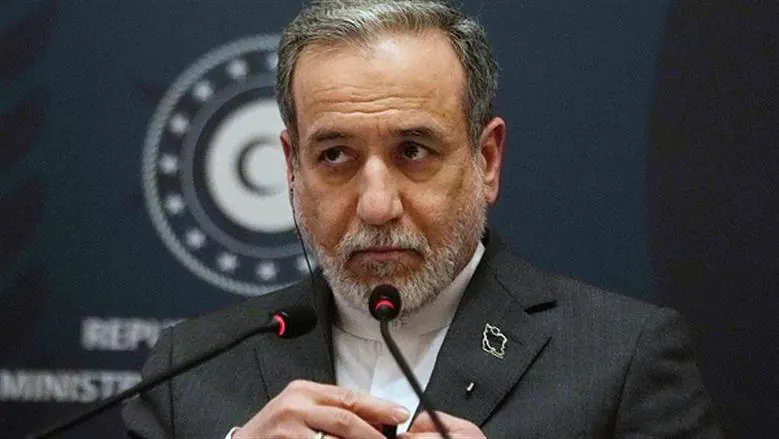
Iranian Foreign Minister Abbas Araghchi met with mediators in New York to discuss the latest proposals for resuming indirect talks between Tehran and Washington. According to the Iranian news agency "Isna", Araghchi discussed new suggestions with mediators to revive stalled negotiations. The talks aim to modify an Iranian proposal that includes reopening the Strait of Hormuz and ceasing hostilities in exchange for easing US sanctions.
The Iranian proposal, presented during the United Nations General Assembly meetings last week, involves a 7-day plan to reopen the Strait of Hormuz and halt hostilities in return for lifting US sanctions on Iranian ports and releasing frozen Iranian assets. The plan also involves resuming broader talks, including on Iran's nuclear program. Sources close to the negotiations stated that mediators are expected to hold separate talks with Araghchi and the US side on Monday or Tuesday.
US President Donald Trump announced on Saturday that he rejected the Iranian proposal, stating that Tehran seeks an agreement to reopen the Strait of Hormuz due to pressure. However, Araghchi said that mediators have not officially conveyed a final US stance on rejecting the proposal. Iran is waiting for the US position through mediators before deciding on the next steps. Araghchi emphasized that Tehran's conditions are clear and that reopening the Strait of Hormuz is linked to implementing these conditions.
Trump, in a phone interview with Axios on Sunday, expressed expectations of further talks between US and Iranian negotiators this week. This indicates that communication channels remain open despite his public rejection of the Iranian proposal. On the other hand, US Ambassador to the UN Mike Walters stated that Washington's rejection of the proposal is due to Iran's demand to lift sanctions and release frozen assets before entering broader talks.
Iranian President Masoud Pezeshkian stated that Tehran is ready to resume talks on its nuclear program and other issues but rejected what he described as "intimidation or coercion". Pezeshkian emphasized that Iran does not seek war but will defend itself against pressures, threats, and attacks. An Iranian official said that Tehran conveyed its proposal to Washington through mediators, aiming to arrange for the Strait of Hormuz to be reopened within a week, along with a ceasefire and resuming diplomatic efforts.
The negotiations are crucial due to the Strait of Hormuz, which has seen a significant decline in shipping traffic in recent months, causing disruptions in oil flows and impacting global markets and economies. Iran has linked reopening the strait to easing US military pressure and lifting the blockade on its ports. The strait's importance lies in its role as a critical passage for oil exports.
The ongoing diplomatic efforts reflect the complexities of the situation, with both sides seeking to advance their interests while navigating the challenges of direct communication. The involvement of mediators, such as Qatar, highlights the international community's interest in stabilizing the region and ensuring the free flow of oil. The developments in New York will be closely watched as they may determine the course of US-Iran relations in the coming weeks.
Key points
- Iran's Foreign Minister Abbas Araghchi met with mediators in New York to discuss resuming indirect talks with the US.