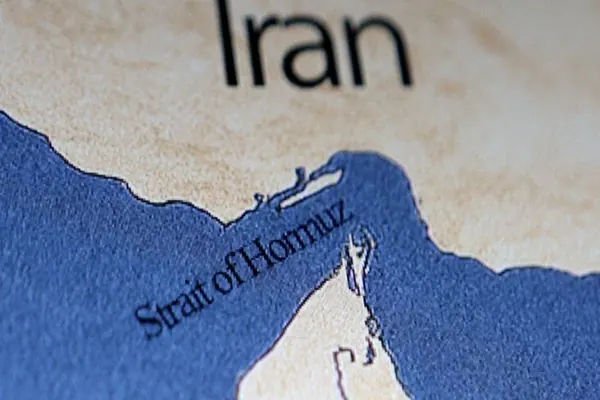
Iran has presented a plan to the United States to reopen the Strait of Hormuz, a vital waterway for global oil and liquefied natural gas shipments. Foreign Minister Abbas Araghchi announced the proposal on the sidelines of the UN General Assembly. He stated that the plan involves reopening the strait within seven days if certain conditions are met. Araghchi did not elaborate on the conditions but mentioned they were in line with the agreements made in June.
The proposal was delivered to the US through a mediator, as reported by the New York Times and CNN. A White House official confirmed that the US is engaged in "positive and constructive discussions" with Iran through mediators. The talks between the US and Iran on the sidelines of the UN General Assembly mark the first negotiations in months. Iranian state media reported that Araghchi communicated Tehran's conditions for reopening the Strait of Hormuz.
According to Iranian state media, Tehran's conditions for reopening the Strait of Hormuz include the immediate lifting of the US naval blockade off the Iranian coast. Iran also demands the release of all frozen Iranian assets and an end to the war on all fronts. The war has appeared deadlocked, and control of the Strait of Hormuz remains a central dispute between Washington and Tehran.
The Strait of Hormuz is a crucial route for global oil and liquefied natural gas shipments. Any disruption to the strait's operations can have significant impacts on global energy markets. Iran's proposal to reopen the strait has been met with cautious optimism from the US. The two countries have been engaged in tense negotiations over the strait's control.
The negotiations between the US and Iran are taking place amid heightened tensions between the two nations. The US has imposed significant sanctions on Iran, which has had a major impact on the country's economy. Iran has responded by increasing its nuclear activities, which has raised concerns among global powers.
The international community is closely watching the negotiations between the US and Iran. A breakthrough in the talks could have significant implications for global energy markets and regional stability. However, the talks are complex and challenging, and a resolution is not guaranteed.
The proposal by Iran to reopen the Strait of Hormuz is a significant development in the ongoing negotiations with the US. The plan involves reopening the strait within seven days if certain conditions are met. The US has responded cautiously to the proposal, and the two countries are engaged in constructive discussions through mediators.
Key points
- Iran's Foreign Minister Abbas Araghchi presents a 7-day plan to the US to reopen the Strait of Hormuz.
- The proposal involves reopening the strait within seven days if certain conditions are met, including the lifting of the US naval blockade off the Iranian coast.
- The negotiations between the US and Iran are taking place amid heightened tensions between the two nations.