Iran has warned the US and its allies against resuming hostile actions, asserting its readiness to target strategic assets and infrastructure across the Gulf region. The Khatam al-Anbia Central Headquarters accused the US of seeking to "create false gains" from the war, which it claimed was launched based on lies and staged by the Zionists. This development has heightened tensions between the two nations.
Tehran believes Washington is planning to order another round of airstrikes, citing a "green light" from certain regional countries during a joint meeting in a European capital. In response, Iran has threatened to target American positions and interests in the region with "sustained, effective and painful attacks," without any limitations or considerations. This warning has raised concerns about the potential consequences of further military action.
The military command also accused neighboring nations of pursuing a "double-standard policy" by aligning themselves with the months-long aggression. Iran's statement warned that these countries would be considered accomplices in the wrongdoing and could no longer expect restraint or civility from Iran's armed forces. This has led to concerns about the potential impact on regional stability.
On Monday, Iran's Revolutionary Guards announced that its aerospace force had tracked and destroyed another US military MQ-1 drone over the Strait of Hormuz. This incident has further escalated tensions between the two nations. The US has not commented on the incident, but it has been reported widely in the media.
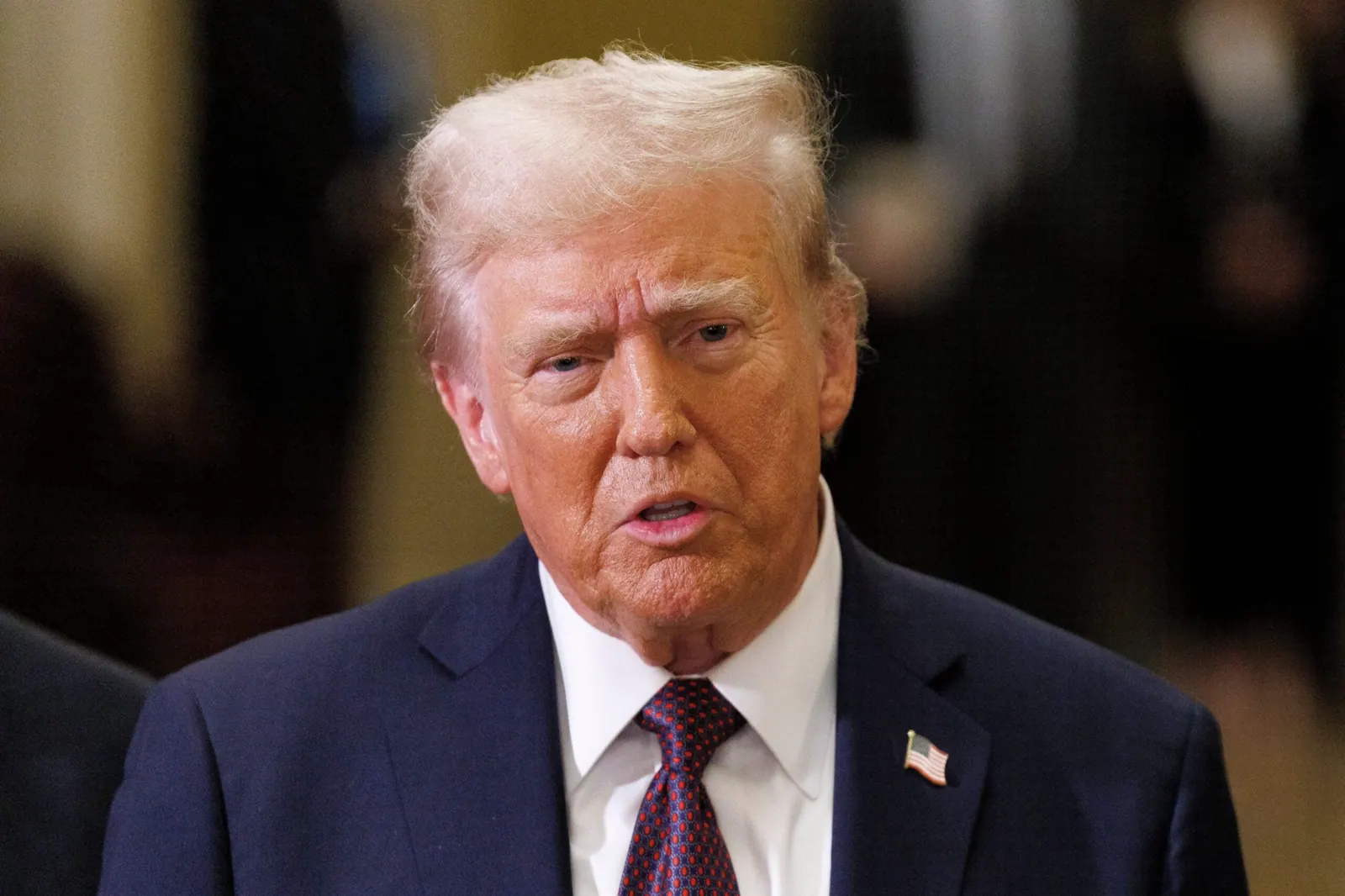
US President Donald Trump has hinted that "very big things" could happen soon, revealing that he is in a "deciding mode" over Iran. He is weighing options for prolonged military action, economic pressure, or a deal. Trump's comments have added to the uncertainty and speculation about the US's next move.
The US Virtual Embassy in Iran has advised citizens to leave promptly, warning of possible flight cancellations and airspace closures. This advice has been issued due to the heightened tensions and concerns about the safety of US citizens in Iran. The US government has also been criticized for its handling of the situation.
The ongoing hostility between Iran and the US has also been linked to the conflict between Houthis and Saudi Arabia. The situation remains complex and volatile, with many concerned about the potential consequences of further military action. The international community is closely watching developments, hoping for a peaceful resolution to the crisis.
Key points
- Iran has warned the US of retaliation if it resumes hostile actions.
- The US is considering military action, economic pressure, or a deal with Iran.
- The situation has led to concerns about regional stability and the safety of US citizens in Iran.