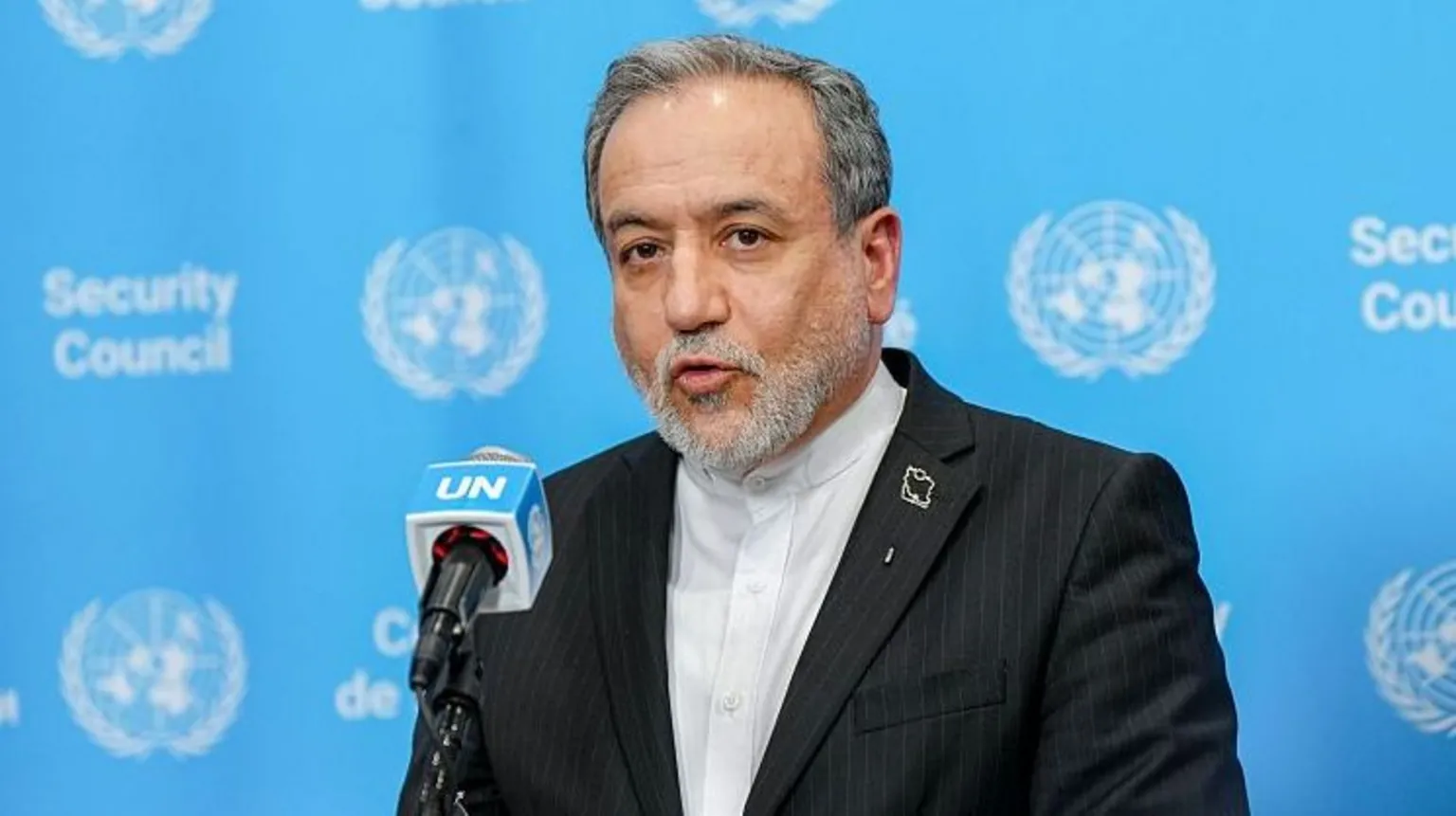
Iranian Foreign Minister Abbas Araghchi has proposed a seven-day plan to reopen the Strait of Hormuz, a key waterway for oil and liquefied natural gas shipments, if the US meets conditions outlined in a June memorandum of understanding. Araghchi made the proposal while speaking to reporters at the United Nations in New York, stating that Tehran had sent the plan to the US through Qatar. The plan's success depends on the necessary conditions being met.
The June memorandum of understanding aimed to establish a ceasefire and partially reopen the Strait of Hormuz. The 14-point agreement included Iran's commitment to not develop a nuclear weapon and called for the US, Iran, and their allies to stop military operations on all fronts. The agreement also provided for an end to the US naval blockade and sanctions relief. However, the agreement collapsed shortly after, with both sides resuming military strikes.
Araghchi stated that the actions the US should take are already contained in the memorandum and that Iran is ready to move if Washington shows seriousness about reaching an agreement and reopening the waterway. He emphasized that Iran would not accept pressure or intimidation, saying peace cannot be built through threats of annihilation. The US official told the BBC that positive discussions were taking place through mediators, including talks involving nuclear issues.
The proposal comes amid a wider conflict that has disrupted shipping and energy markets. The US and Israel launched air strikes on Iran on February 28, prompting Iran to attack Israel, US bases in the Gulf, and Arab Gulf states allied to Washington. Iran subsequently blocked the Strait of Hormuz, one of the world's key routes for oil and liquefied natural gas shipments. Before the war, about 20% of the world's oil and liquefied natural gas passed through the waterway.
The closure of the Strait of Hormuz has led to sharp changes in energy prices and added pressure on US President Donald Trump to find a way to end the conflict, particularly with Congressional elections due in November. Data from commodities data and analytics firm Kpler shows a recent 10-day average of about 18 vessel transits each day, with some days seeing as few as nine vessels passing through the strait. The disruption has also spread to another major shipping route, with Yemen's Houthis stepping up attacks aimed at disrupting Saudi oil exports through the Red Sea.
The situation has been made worse by Houthi attacks on Saudi oil facilities, with US media reports stating that Saudi Crown Prince Mohammed bin Salman has asked Trump for military support. Trump, speaking during the United Nations General Assembly, said he believed an agreement with Iran could follow November's elections. He also issued a fresh threat against Tehran, stating that he could either make a deal with Iran or annihilate the Islamic Republic.
The Iranian Foreign Minister rejected the use of threats in negotiations, emphasizing that Iran would not accept coercion, threats, or intimidation. Araghchi's statement highlights the challenges in reaching an agreement between Iran and the US. A US official stated that Washington believes it is in a strong position with control of the Strait of Hormuz and is not in a rush to reach an agreement.
Key points
- Iran's Foreign Minister Abbas Araghchi proposes a seven-day plan to reopen the Strait of Hormuz if the US meets conditions outlined in a June memorandum of understanding.
- The June memorandum of understanding aimed to establish a ceasefire and partially reopen the Strait of Hormuz.
- The closure of the Strait of Hormuz has led to sharp changes in energy prices and added pressure on US President Donald Trump to find a way to end the conflict.