Iranian Foreign Minister Abbas Araghchi announced that his country has proposed a deal to the US to reopen the Strait of Hormuz within seven days. The proposal was made through Qatar and is contingent upon the US meeting certain conditions outlined in a memorandum of understanding (MOU) signed in June. Araghchi emphasized that the choice now rests with the US.
The MOU, signed on June 18, aimed to establish a ceasefire and partially reopen the Strait of Hormuz. The agreement included 14 points, such as Iran's commitment to not developing a nuclear weapon, the end of military operations by the US, Iran, and their allies, and provisions for the safe passage of commercial vessels through the strait. However, the agreement fell apart shortly after, with both sides resuming strikes.
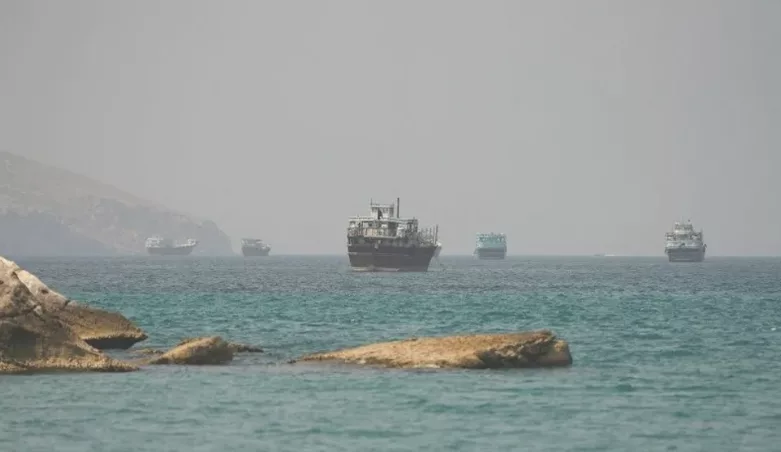
The Strait of Hormuz is a critical waterway, with approximately 20% of the world's oil and liquefied natural gas passing through it. Its closure has led to significant fluctuations in energy prices and increased pressure on US President Donald Trump to find a solution to the conflict. The US and Israel launched air strikes on Iran on February 28, prompting Iran to attack Israel and US bases in the Gulf.
US President Donald Trump has expressed skepticism about the Iranian proposal. According to the Wall Street Journal, Trump told his staff that he sees a renewed bombing campaign as likely and is skeptical that Iran will meet his demands. A US official stated that the US is "in a very strong position with control of the Strait of Hormuz, so we are not in a rush."
Iranian President Masoud Pezeshkian stated that the ceasefire process will begin immediately if the US accepts the proposal. He also mentioned that Iran will allow UN nuclear inspectors into the country. Pezeshkian rejected claims that Iran is trying to develop a nuclear weapon, stating that inspections can be conducted within the negotiations.
The situation has been further complicated by Yemen's Houthis, allies of Iran, intensifying attacks on Saudi Arabia's oil installations and disrupting oil exports via the Red Sea. The Houthis have seized strategic stretches of the Red Sea coast, including the port of Mokha. Saudi Crown Prince Mohammed bin Salman has requested military support from Trump.
The US and Iran have engaged in a series of attacks and counterattacks, including the blocking of the Strait of Hormuz and the targeting of Iranian tankers. The conflict has had significant economic and humanitarian consequences, with the US maintaining a blockade of Iranian ports and Iran attacking vessels that attempt to cross the Strait of Hormuz without authorization.
Key points
- Iran proposes a deal to the US to reopen the Strait of Hormuz within seven days if necessary conditions are met.
- The US has expressed skepticism about the proposal, with President Trump reportedly considering a renewed bombing campaign.
- The conflict has significant implications for global energy prices and regional stability.