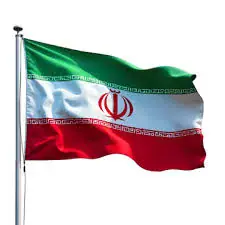
The Iranian parliament has made a significant change to the country's intelligence services by removing the requirement for a religious leader to head the ministry of intelligence. This move is expected to pave the way for the appointment of a civilian minister. According to reports, the decision was made to reform the intelligence services and make them more effective. The change is seen as a major development in the country's efforts to revamp its intelligence agencies.
The Iranian parliament's decision is being viewed as a significant shift in the country's approach to intelligence gathering and national security. The requirement for a religious leader to head the ministry had been in place for many years, but it is now being lifted. This move is expected to allow for more flexibility in the appointment of a minister who may not necessarily have a religious background. The change is also seen as a way to improve the effectiveness of the intelligence services.
The head of the Egyptian newspaper Le Progrès Egyptien, Tarek Lotfy, and the editor-in-chief Mohamed El Sayed El Azzawy, were not directly involved in reporting this story, but their publication has been following developments in the region. Le Progrès Egyptien is a French-language newspaper based in Egypt and has been in publication since 1893. The newspaper covers a wide range of topics including politics, economy, and culture.
The Iranian intelligence ministry has been a key player in the country's national security apparatus. The ministry is responsible for gathering intelligence and conducting operations to protect the country's interests. The appointment of a civilian minister is expected to bring a new perspective to the role and may lead to changes in the way the ministry operates. The Iranian government has been working to reform its intelligence services in recent years.
The reform of the intelligence services is part of a broader effort by the Iranian government to improve the country's national security. The government has been working to strengthen the country's defenses and improve its ability to respond to threats. The appointment of a civilian minister is seen as a key part of this effort. The change is also expected to improve the country's relations with other nations.
The Iranian parliament's decision to abolish the requirement for a religious leader to head the intelligence ministry is a significant development in the country's efforts to reform its intelligence services. The move is expected to pave the way for the appointment of a civilian minister and may lead to changes in the way the ministry operates. The change is seen as a way to improve the effectiveness of the intelligence services and strengthen the country's national security.
The Iranian government has been working to improve its relations with other nations and the appointment of a civilian minister is seen as a way to improve the country's image. The change is also expected to improve the country's ability to respond to threats and strengthen its defenses. The Iranian parliament's decision is a significant development in the country's efforts to reform its intelligence services and improve its national security.
Key points
- The Iranian parliament has abolished the requirement for a religious leader to head the intelligence ministry.
Reporting sources
- Iran : réforme majeure au sein des services de renseignement · Le Progrès Egyptien